
Dynamix is widely known from its self-publishing period and its subsequent acquisition by Sierra On-Line in 1990. However, the company had been active for several years prior, developing innovative and noteworthy titles published by various publishers of the time. To understand its origins, we need to go back to 1981 in Eugene, Oregon, where Jeff Tunnell, an enthusiastic and ambitious computer enthusiast, founded one of the earliest computer software stores, Computertutor, also known as The Computer Tutor of Eugene.
Tunnell had experience with programming and was working on an edutainment title called Electronic Playground, programming it in Applesoft BASIC but with the lack of 6502 Assembly language skills, he didn’t find it easy to get his software to the next level. His strengths lay more in design and business, complemented by his outgoing and inspiring personality.
One day, Damon Slye, a young undergraduate from the University of Oregon, visited Tunnell’s software store. Although Slye had been to the store many times before, this visit was different. With him, he brought an Apple II arcade game he had been working on lately. Impressed, Tunnell hired him to work in the store and assist in completing his Electronic Playground.
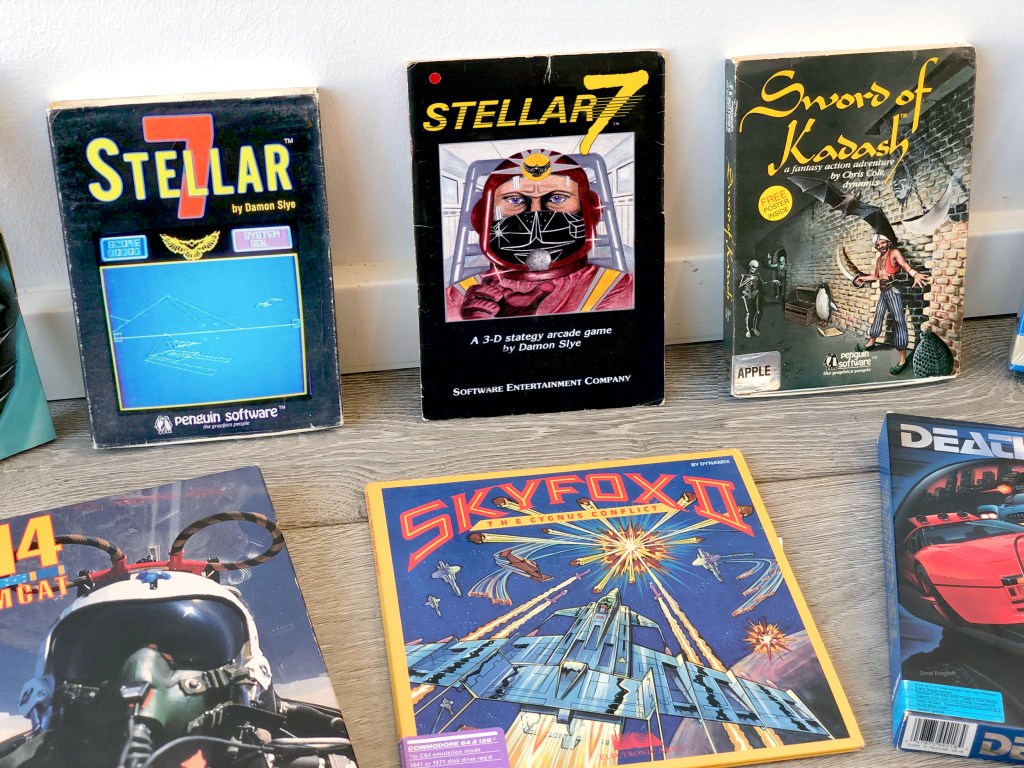
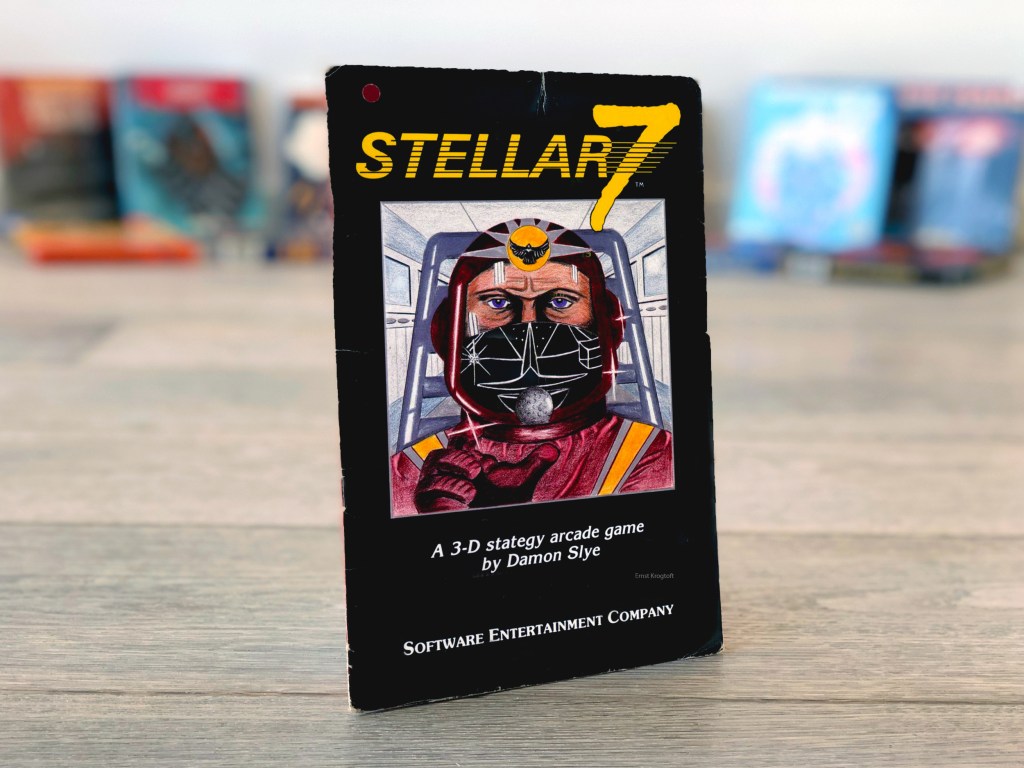
The game Slye had presented was Stellar 7, a 3D wireframe action shoot-em-up inspired by Atari‘s Battlezone. Tunnell persuaded Slye to allow him to publish the game, to which he agreed. Stellar 7 was subsequently published under their newly established label, Software Entertainment Company.
Publishing in the early days, long before digital distribution, was a complex and costly affair as it required significant financial investment to produce and assemble a large number of physical products. Additionally, establishing distribution channels was essential to ensure the products reached stores, where stock requirements had to be met.
Electronic Playground and Stellar 7 were initially sold under the Software Entertainment Company label through mail-order but with limited sales, Tunnell realized that self-publishing was not viable at the time. What he needed was more products and more financial resources and let somebody else take care of the publishing. With established giants like Activision and Electronic Arts dominating the publishing market, Tunnell acknowledged that the only viable path was to focus on being a developer and find a way to partner with one of these.
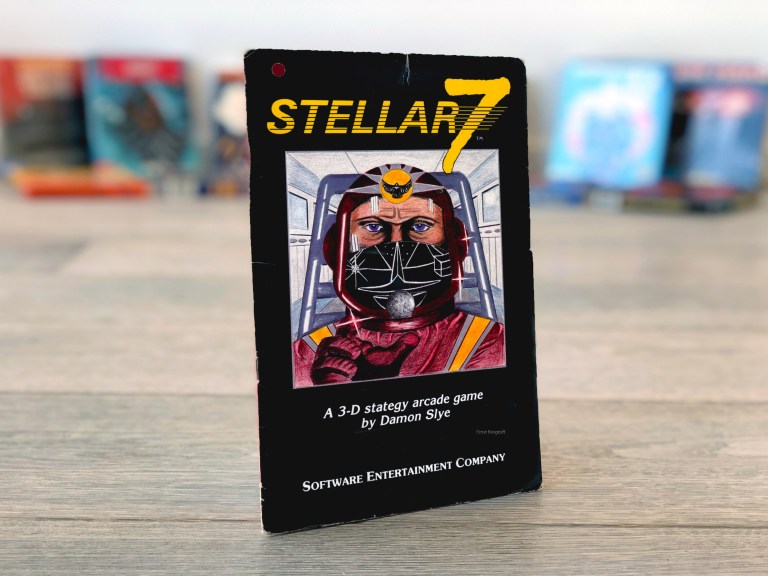
Damon Slye’s Stellar 7, for the Apple II, released in 1983 by Tunnell and Slye’s Software Entertainment Company.
In 1984, Tunnell and Slye decided to form a new company focused solely on software development. They named the company Dynamix and brought on two new partners, Kevin Ryan and Richard Hicks, both experienced programmers. With the team and a clear strategy, Dynamix was soon on the path to becoming a successful business. That same year, Stellar 7 was picked up and republished by Penguin Software, which allowed Tunnell to finally sell his software store and focus exclusively on Dynamix.
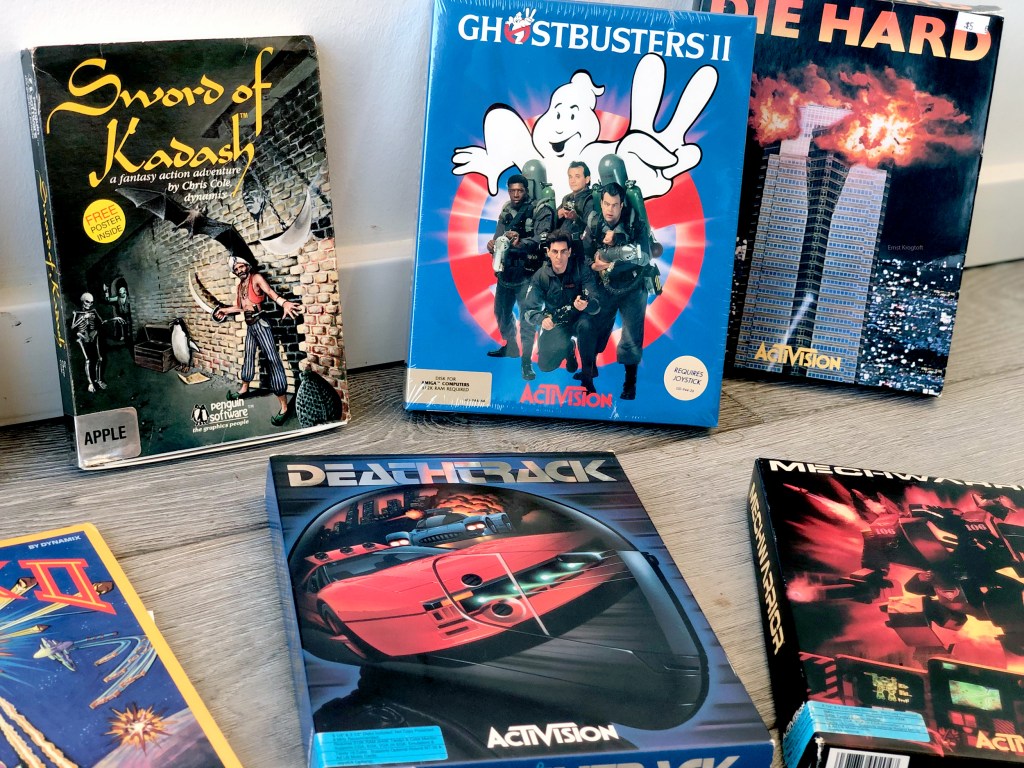
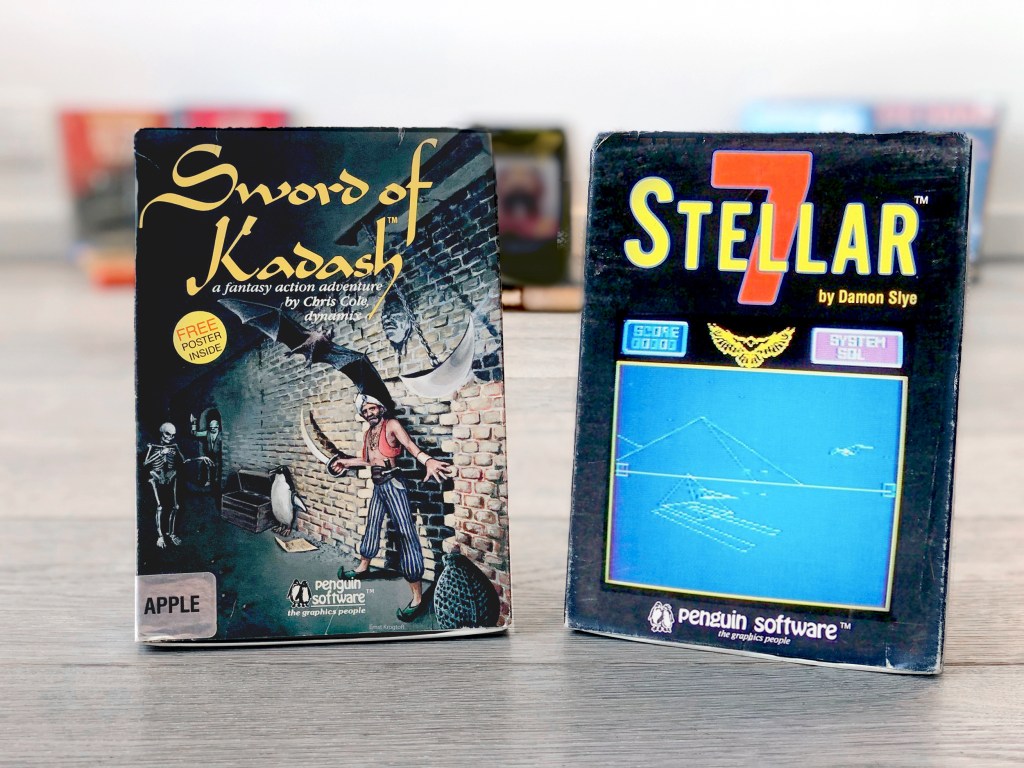
In 1985, Penguin Software published Dynamix’s next title, Sword of Kadash, a role-playing action game written by Chris Cole. Cole and his friends, frequent visitors to Tunnell’s store, had initially criticized the quality of available software. They made a deal with Tunnell, if they could create a better game than what was on the shelves, Tunnell would publish it. The challenge was accepted and in 1983 only 15 years old, Cole, inspired by action games such as Bezerk and earlier RPGs like Caverns of Freitag, started developing his new game.
Cole had hoped Tunnell would secure a publishing deal with Electronic Arts, but Tunnell’s relationship with the company was somewhat strained at the time. Instead, Tunnell approached Penguin Software, which insisted on changing the game’s setting from a fantasy to a Persian theme, quite late in the development phase. The change did not particularly excite Cole, who was also somewhat disappointed with Penguin’s marketing and distribution efforts. Despite these challenges, Sword of Kadash received praise in contemporary magazines as an original action-adventure game when it was finally released in 1985.
The game sold well enough to cover Cole’s living expenses throughout five years of undergraduate studies and two years of graduate school. Cole returned to Dynamix in 1991.
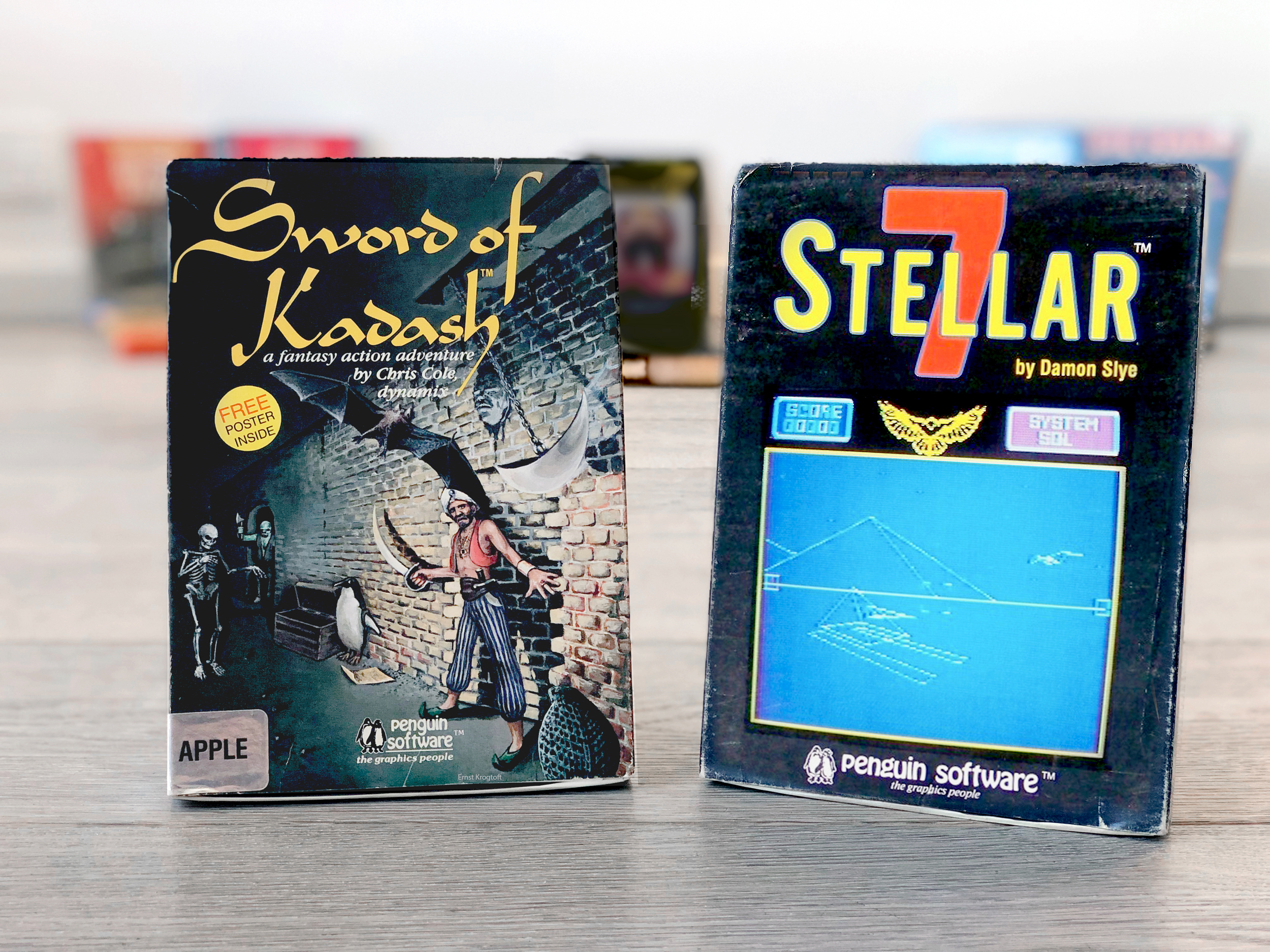
Sword of Kadash for the Apple II, released in 1985 by Penguin Software and the re-release of Stellar 7, released in 1984 also by Penguin Software.
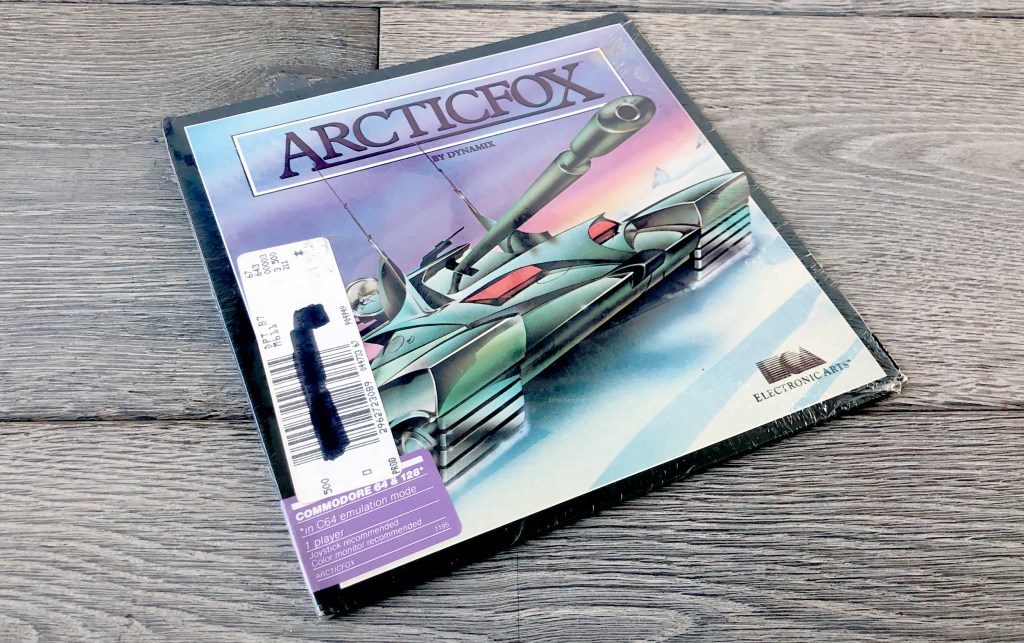
In 1986, Dynamix secured its first contract with Electronic Arts, resulting in the development of Arcticfox, a sci-fi tank simulation often regarded as a sequel to Stellar 7 due to its similar style. The game was developed for the new Commodore Amiga computer and became the first original title for the system. During development, the Amiga did not yet have an operating system, so development was conducted on IBM PCs and transferred to the Amiga via cable. Electronic Arts, being closely involved with the Amiga, sought to showcase the new system’s features with Arcticfox.
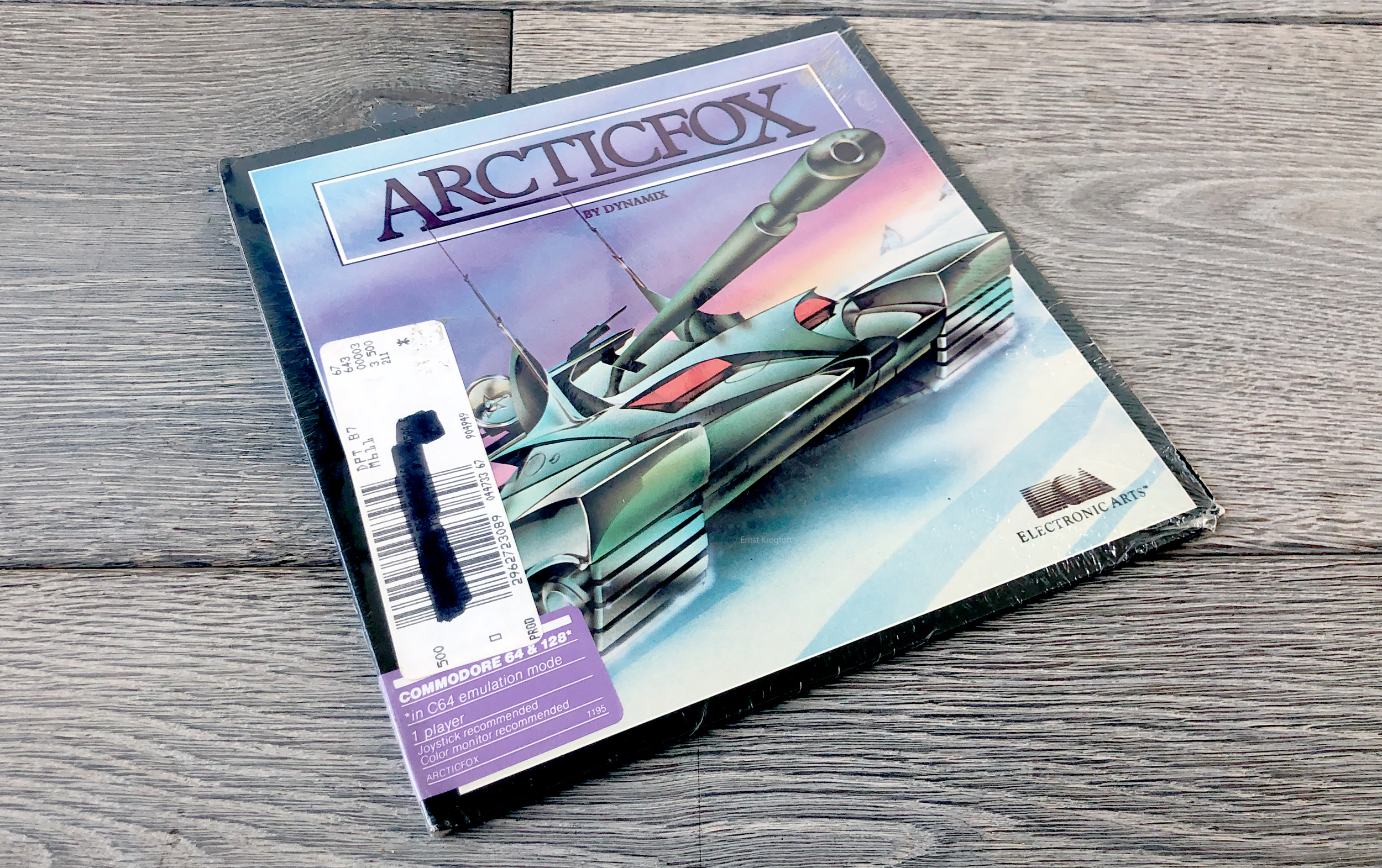
The Commodore 64/128 version of Arcticfox.
Arcticfox was designed by Slye, co-programmed by Tunnell, and released in the album-style format, used by Electronic Arts at the time. The game went on to become a huge hit, it sold more than 100.000 copies across all platforms.
– You can read more about Electronic Arts’ album-style era here.
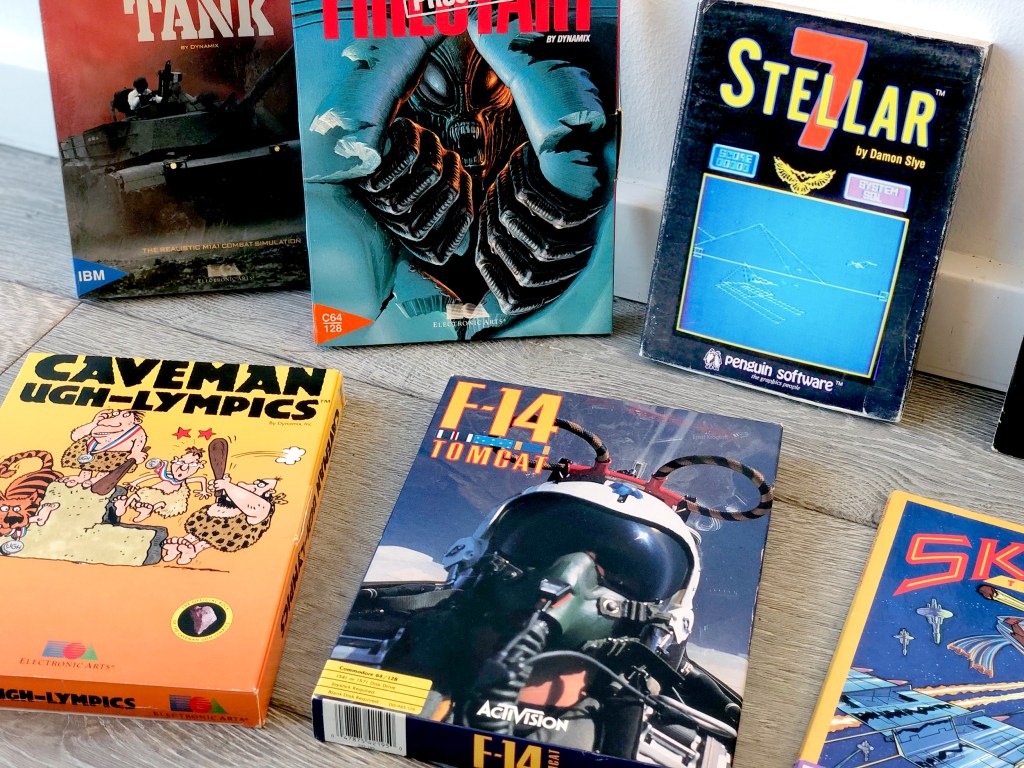
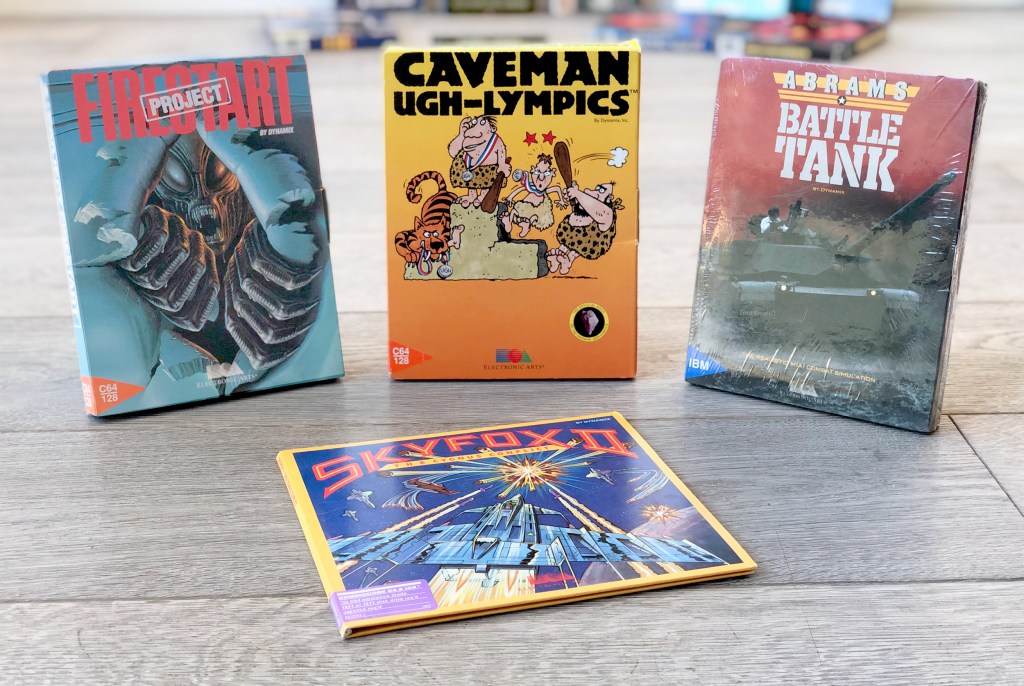
Dynamix’s venture with Electronic Arts would continue with the development of the sequel to Ray Tobey‘s Skyfox, Skyfox II – The Cygnus Conflict, a 3D space combat action game.
In 1988, Dynamix developed Caveman Ugh-lympics, a quirky Olympics game with some rather unusual events like clubbing and mate-tossing. The following year, after three years of development, they completed Project Firestart, for the now-aging Commodore 64. Probably one of the best-looking and moodiest games for the platform. While the game had an awkward control scheme and some serious load times, it has become somewhat of a cult title today, often recited as the great lost forefather of the survival-horror genre. This was just around when Tunnell would cancel his contract with Electronic Arts, hence the game would literally receive no marketing and quickly vanished from the market.

The last game Dynamix developed for Electronic Arts was released a few months later with their title Abrams Battle Tank, a title that would again utilize Dynamix well-rounded 3D expertise to give the IBM PC people a really nice Tank simulator.
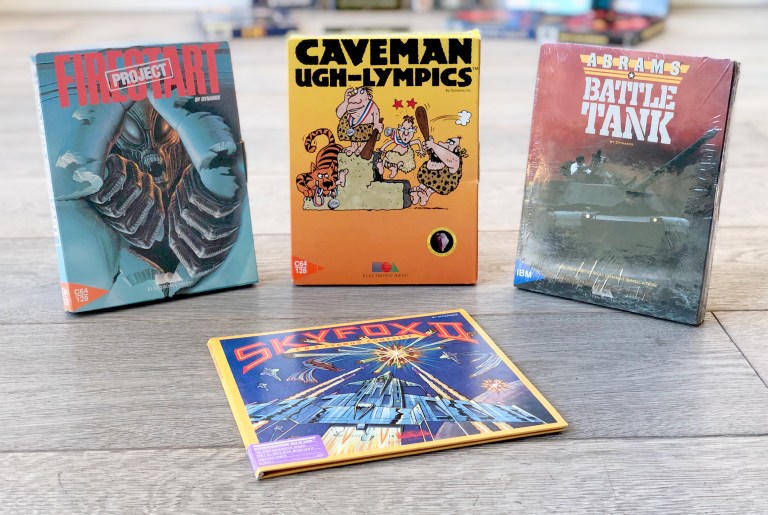
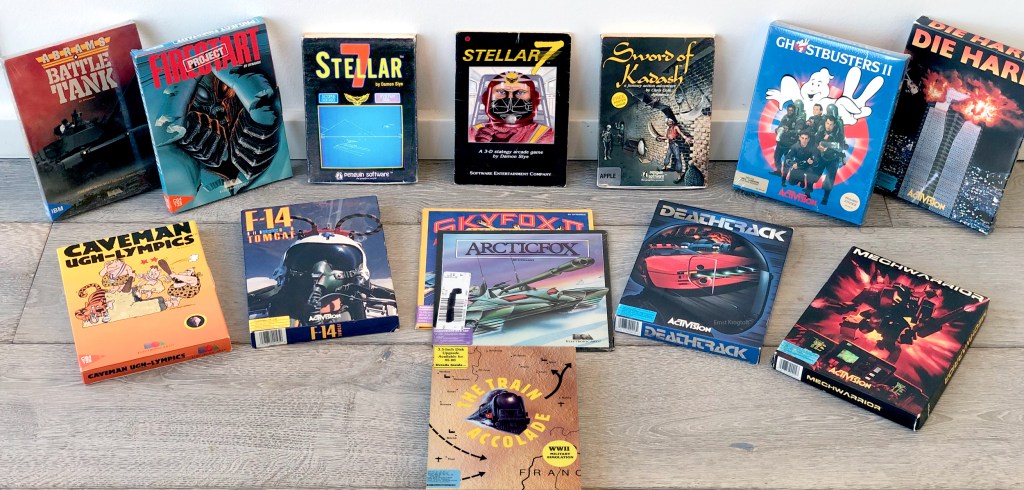
Besides Arcticfox, Dynamix developed another 4 titles for Electronic Arts to publish.
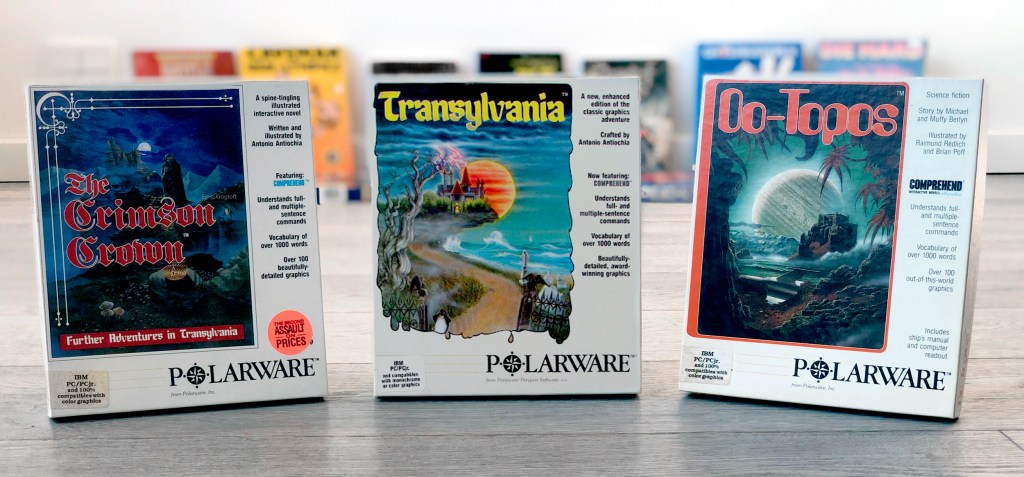
Besides the development of titles for Electronic Arts, Dynamix would keep working with Penguin Software, now Polarware, to port various of their titles to the IBM/PC.
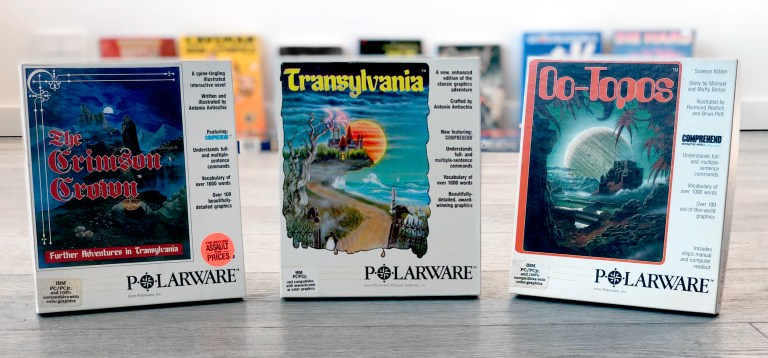
Dynamix ported Polarware’s The Crimson Crown, Transylvania, and Oo-Topos to the IBM PC.

1989 was also the year when Dynamix would strike a deal with Activision (Mediagenic at the time), to develop a few titles based on movies with Die Hard and Ghostbusters II, both fairly good action games.
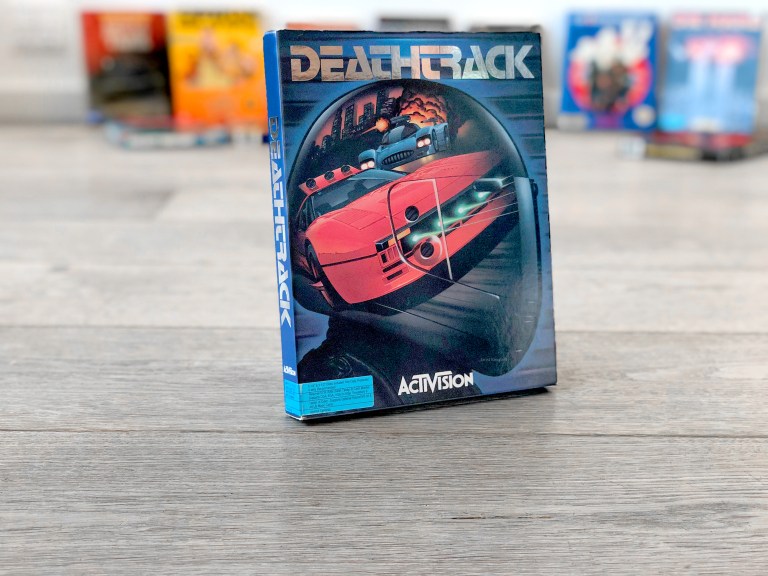
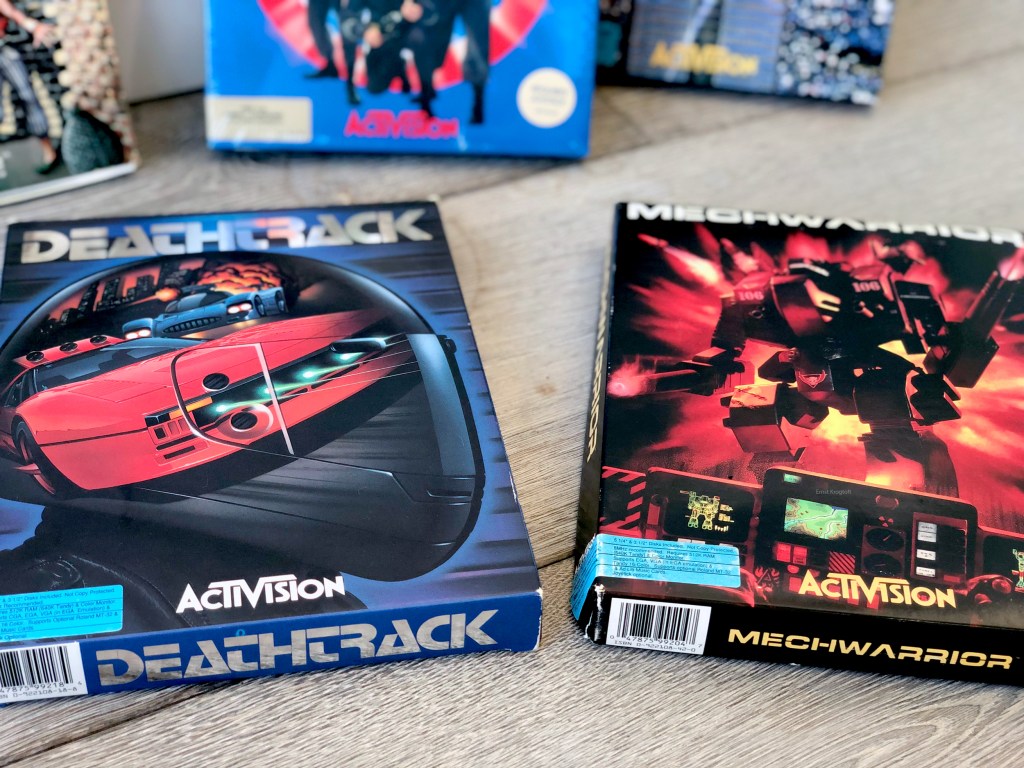
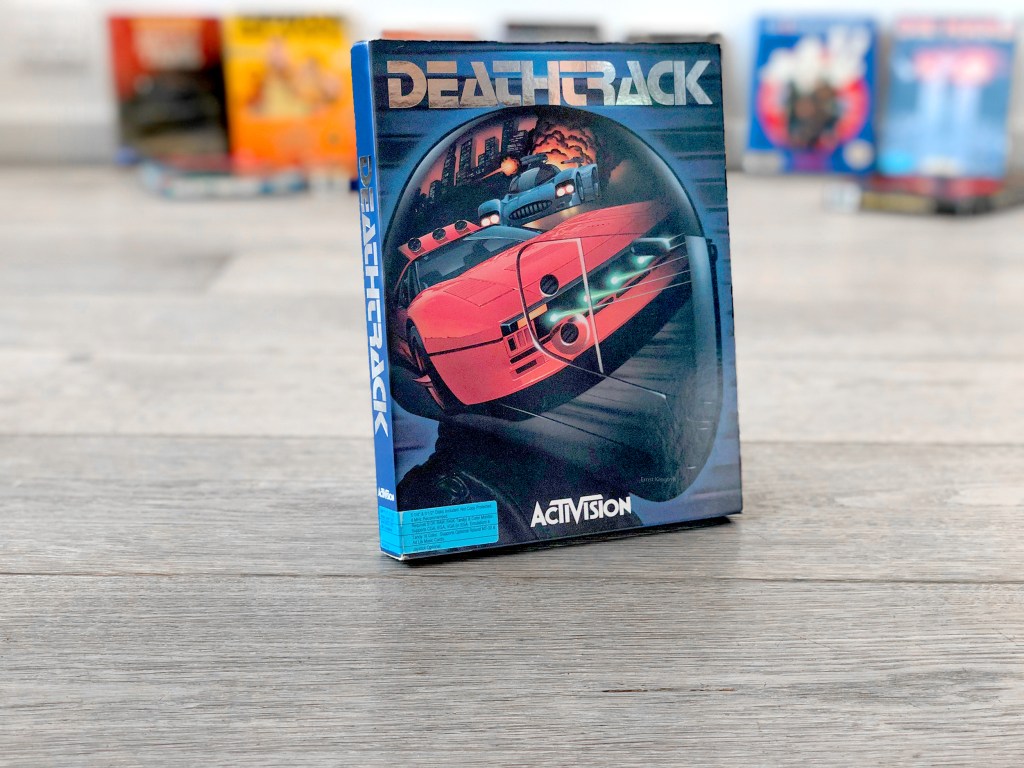
Other Dynamix titles published by Activision were Deathtrack, a futuristic racing game and one of the first racing games for the home computer featuring 3D polygonal graphics. And F-14 Tomcat, a flight simulator featuring the US naval carrier-based fighter jet, the Grumman F-14.
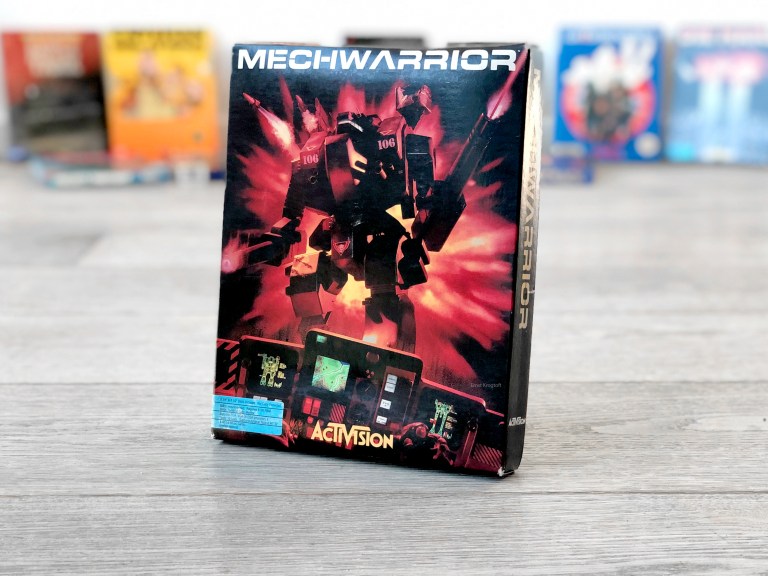
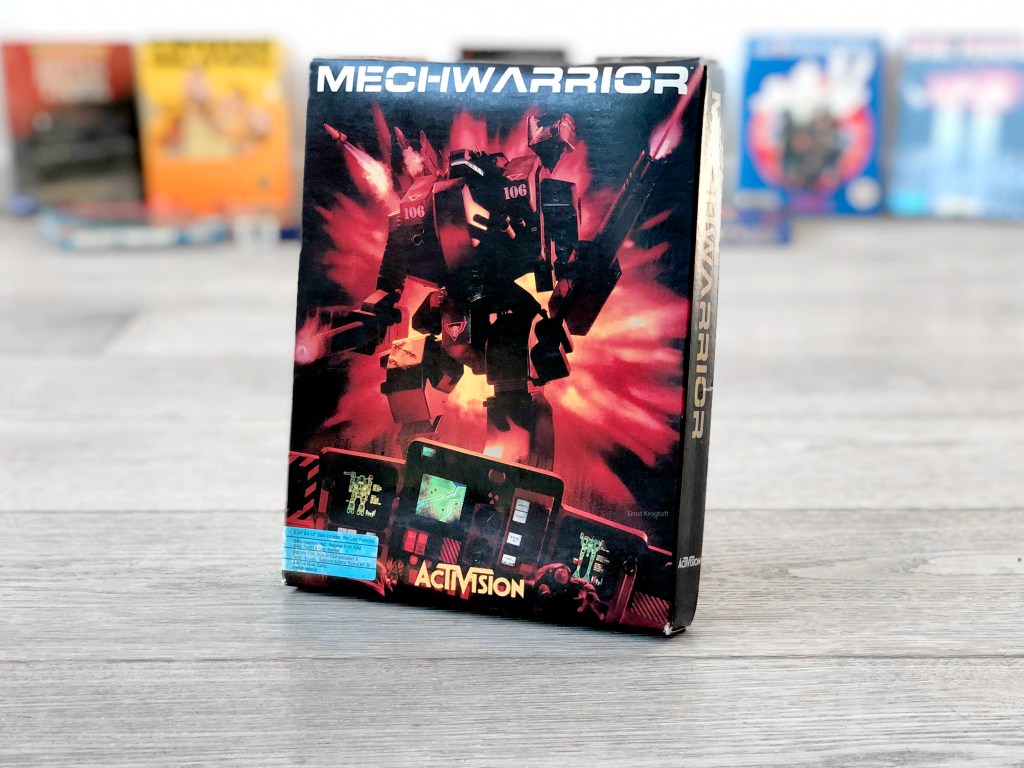
Probably the best-known title of the Dynamix/Activision relationship was MechWarrior, released in 1989 for IBM PC. This was the first 3D game in the FASA BattleTech universe, which still to this day sees new titles being added to the long list of BattleTech Computer games, which began with Infocom‘s (developed by Westwood) roleplaying game, BattleTech – The Crescent Hawk’s Inception, in 1988.
Dynamix went on to publish their own titles in 1989 with David Wolf: Secret Agent and A-10 Tank Killer as the first titles to bear the Dynamix label and logo. A year later Dynamix was sold to Sierra On-Line and Jeff Tunnell left the company to start a new venture. Damon Slye left 4 years later, but all that is a story for an upcoming article.


 Retro365
Firestart looks great!
Appreciatee this blog post
Thanks a lot:)