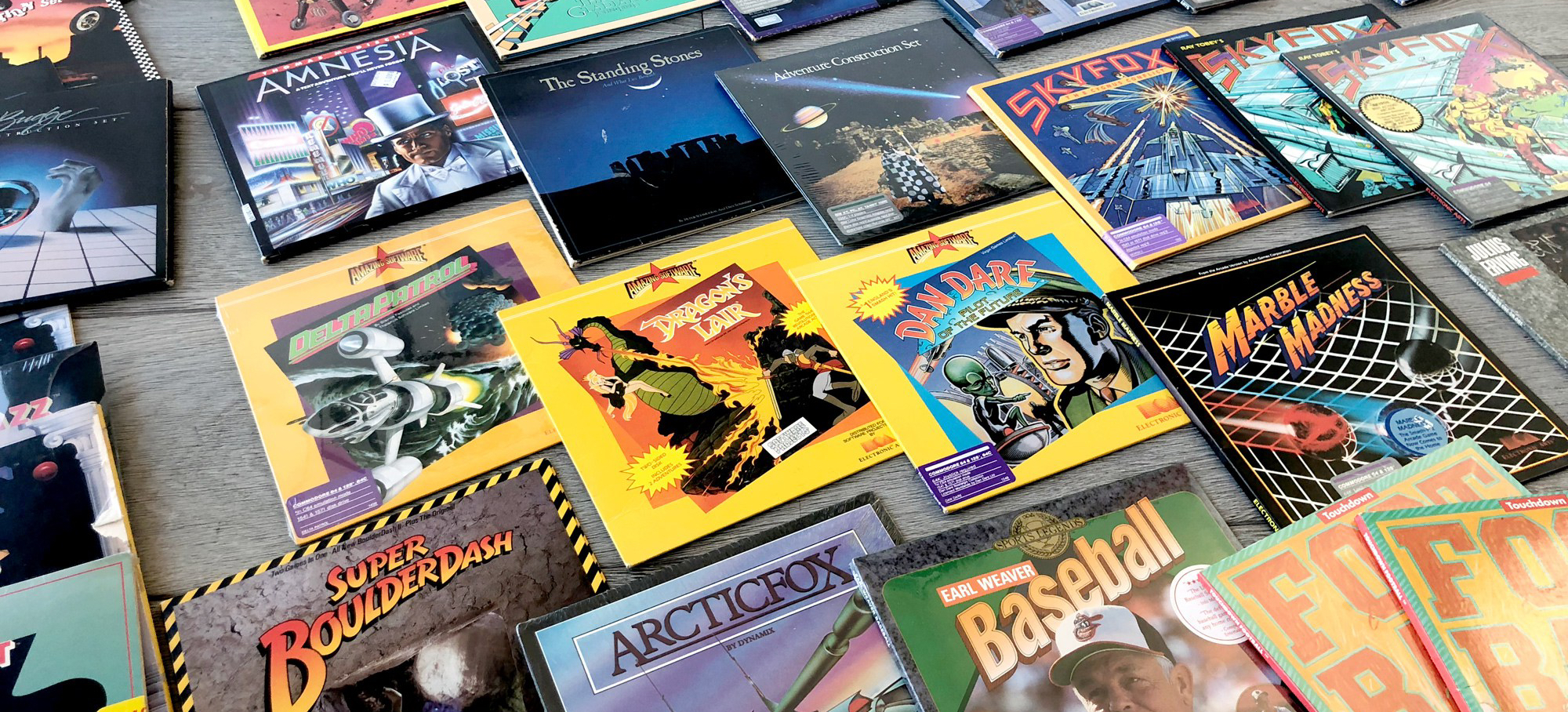
Electronic Arts started out as Amazin’ Software, founded by Trip Hawkins, a former Apple employee. The name was changed to Electronic Arts, a name which would fit better to his vision of his new studio.
Hawkins really wanted to honour the programmers and artists like superstars, they should be celebrated as software composers and getting contracts similar to the music industry. All this was possible because of Hawkins ability to raise capital and get investors on board before the actual development and release of the first titles in 1983.
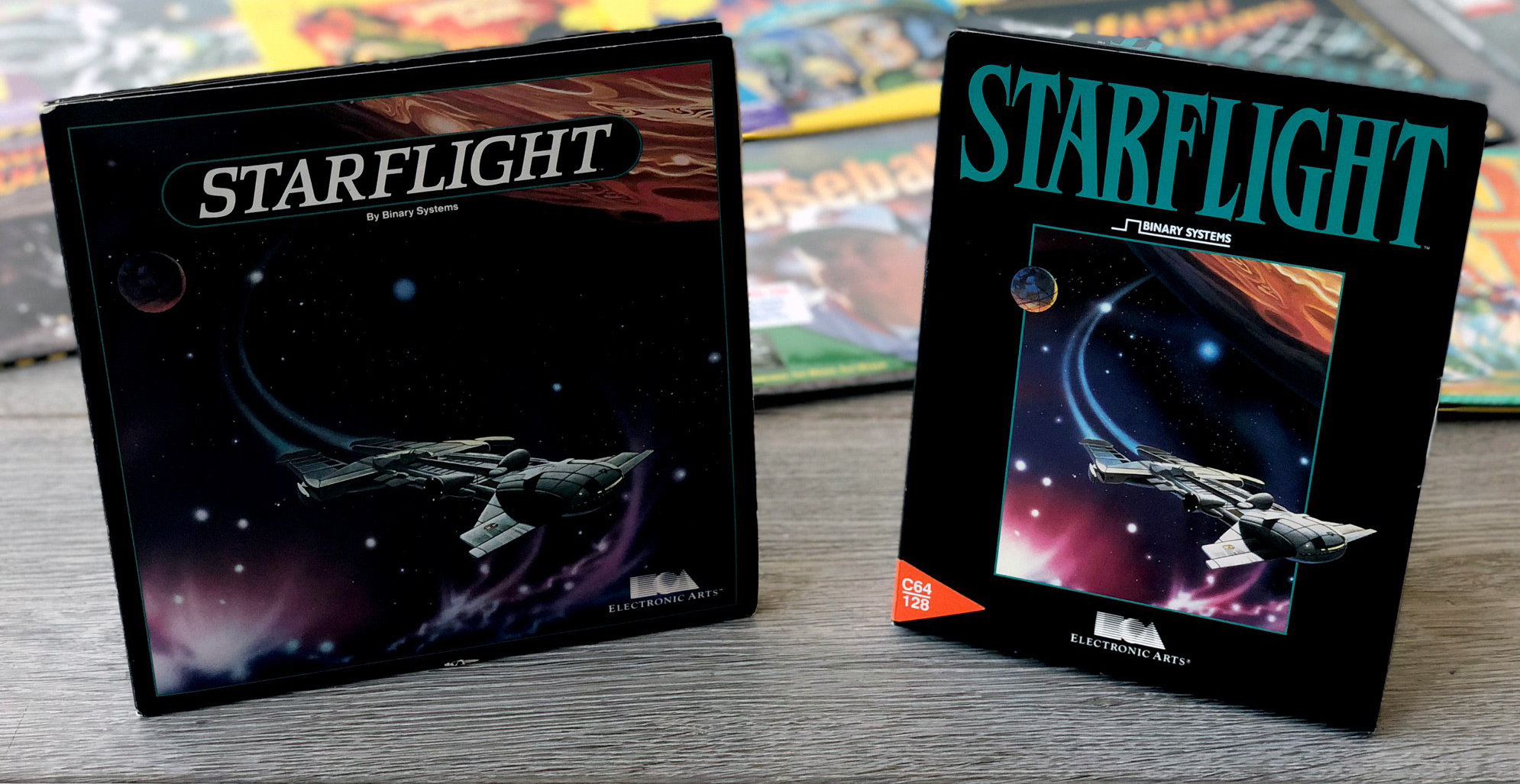
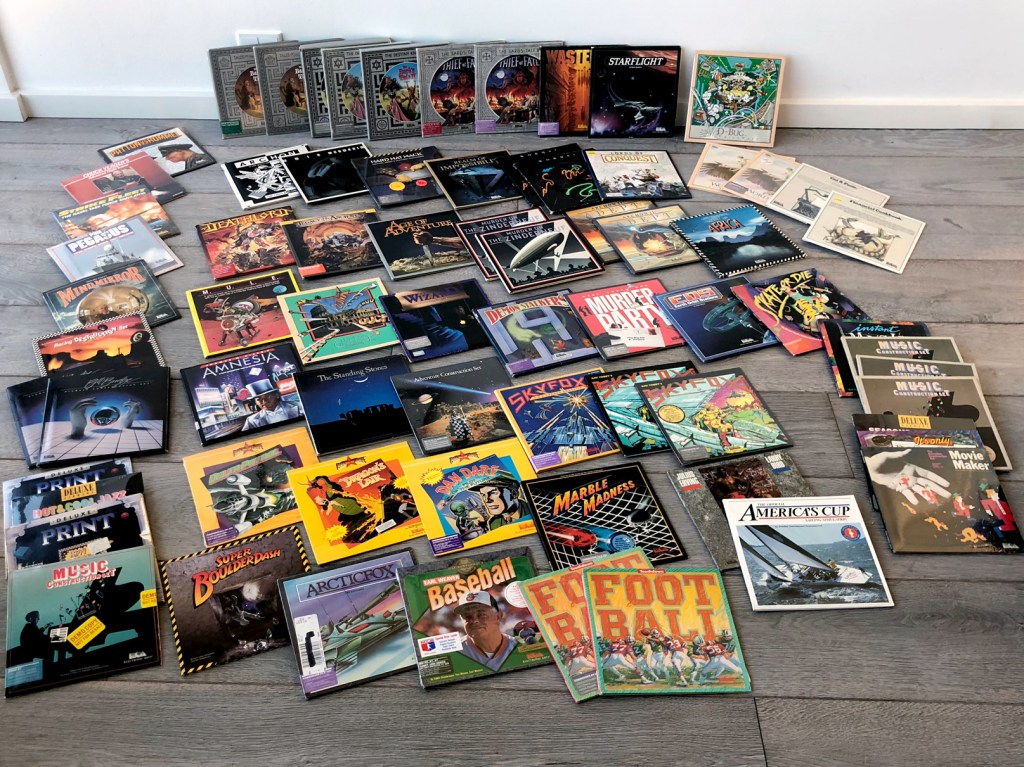
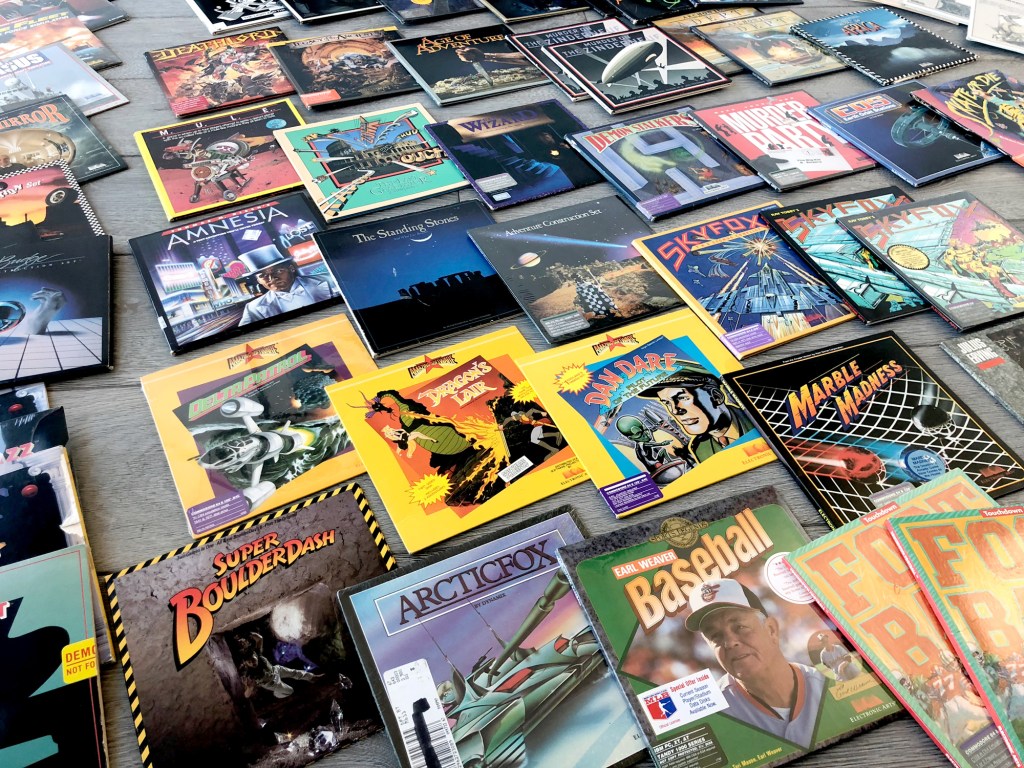
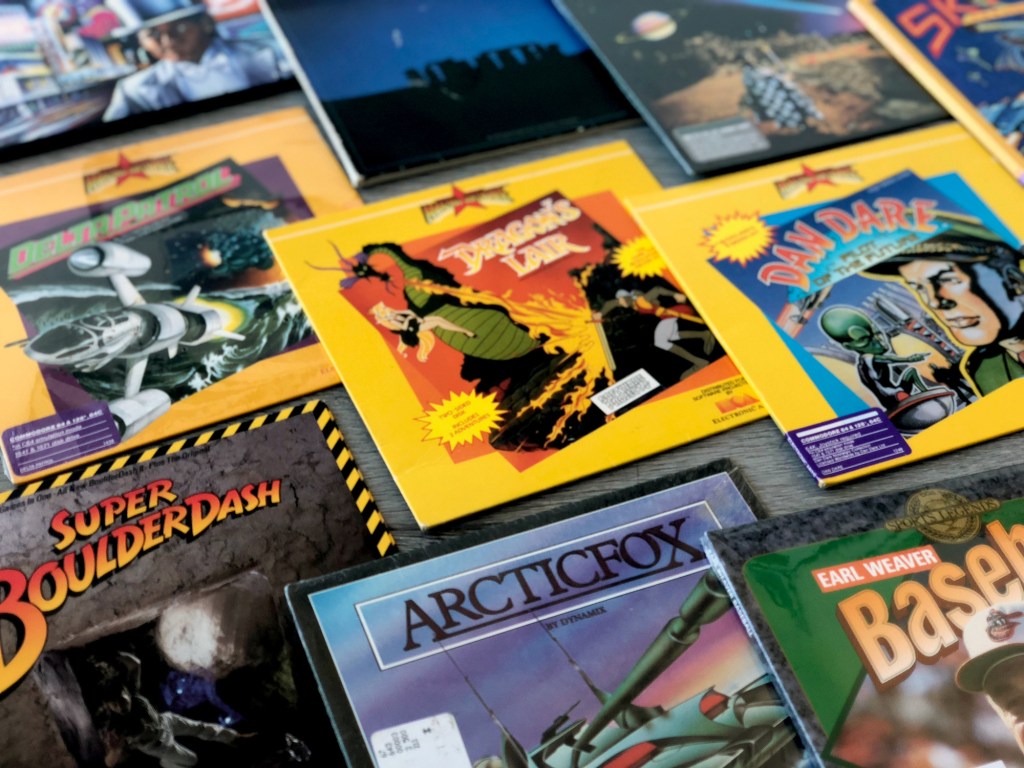
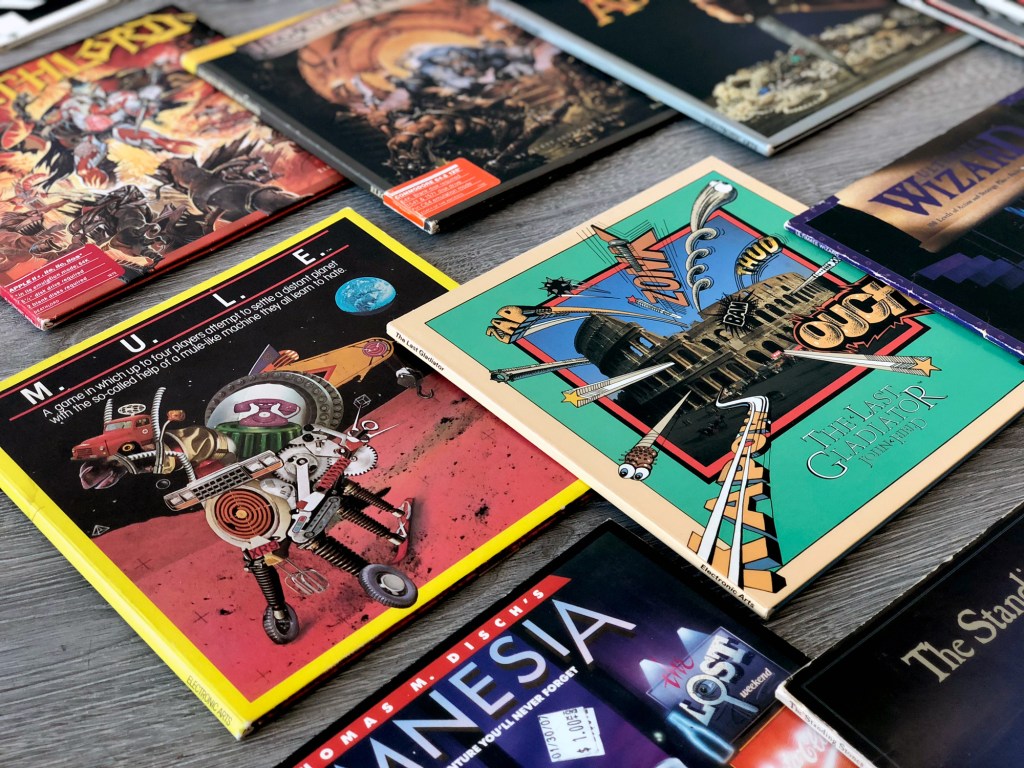
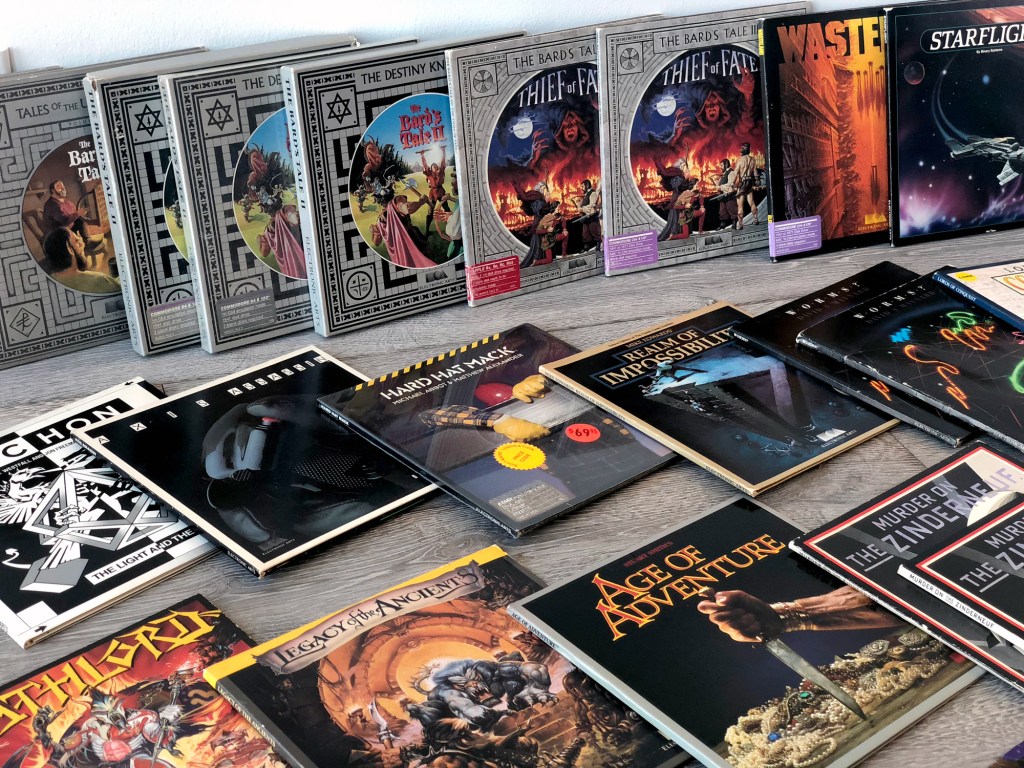
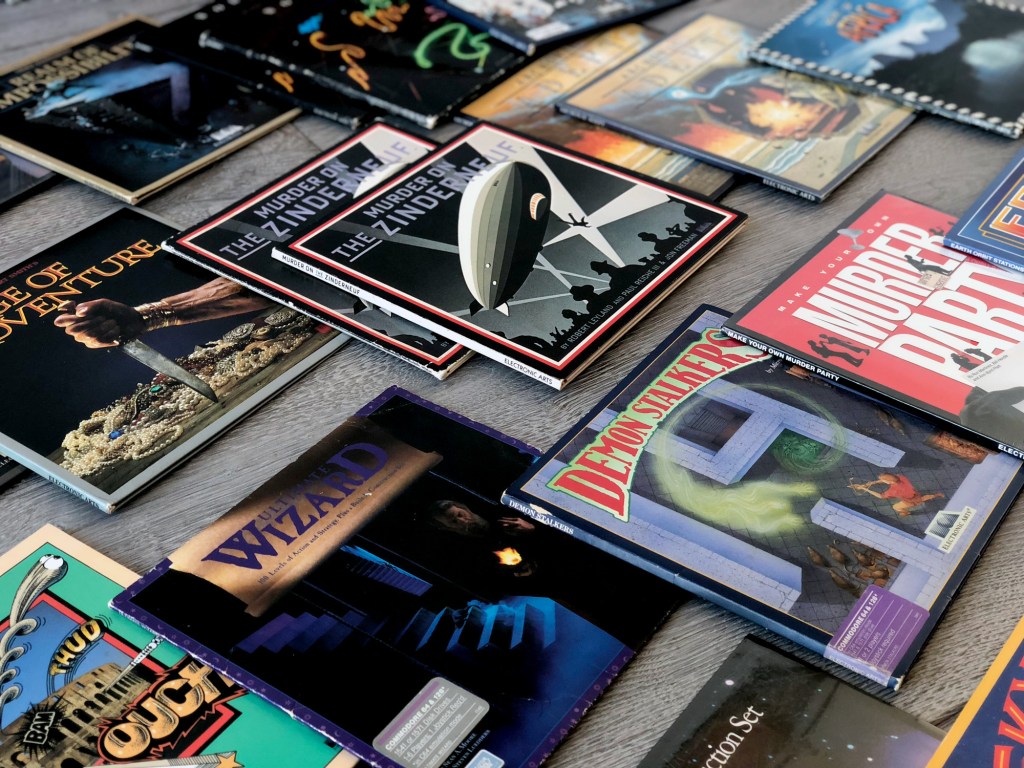
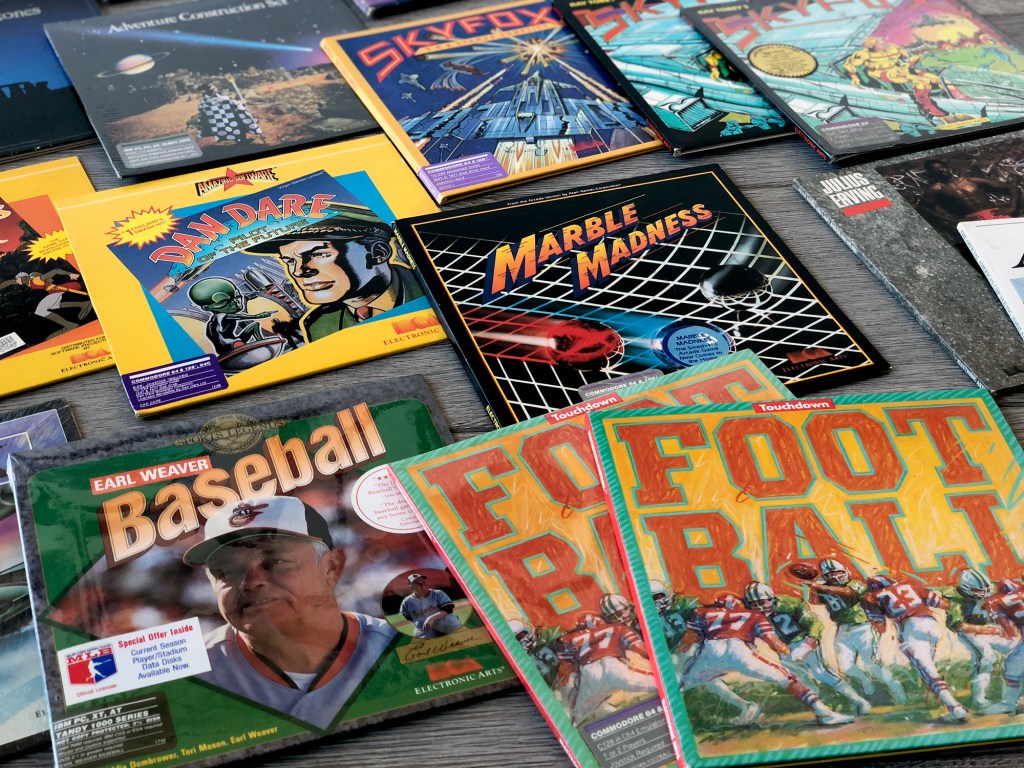
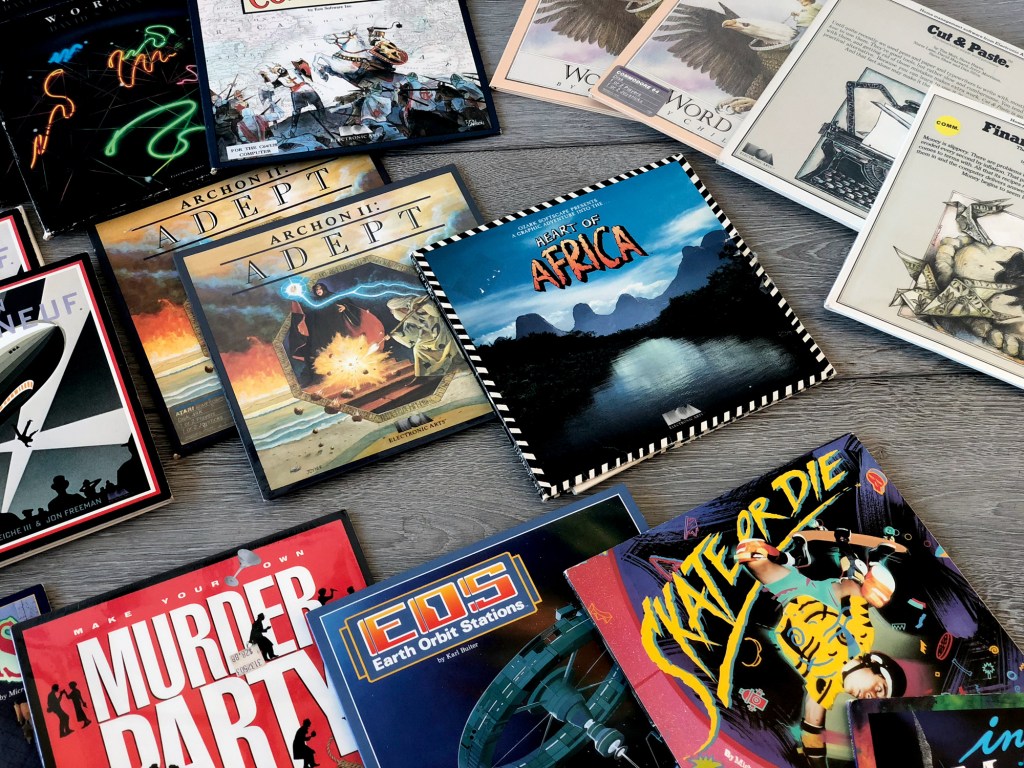
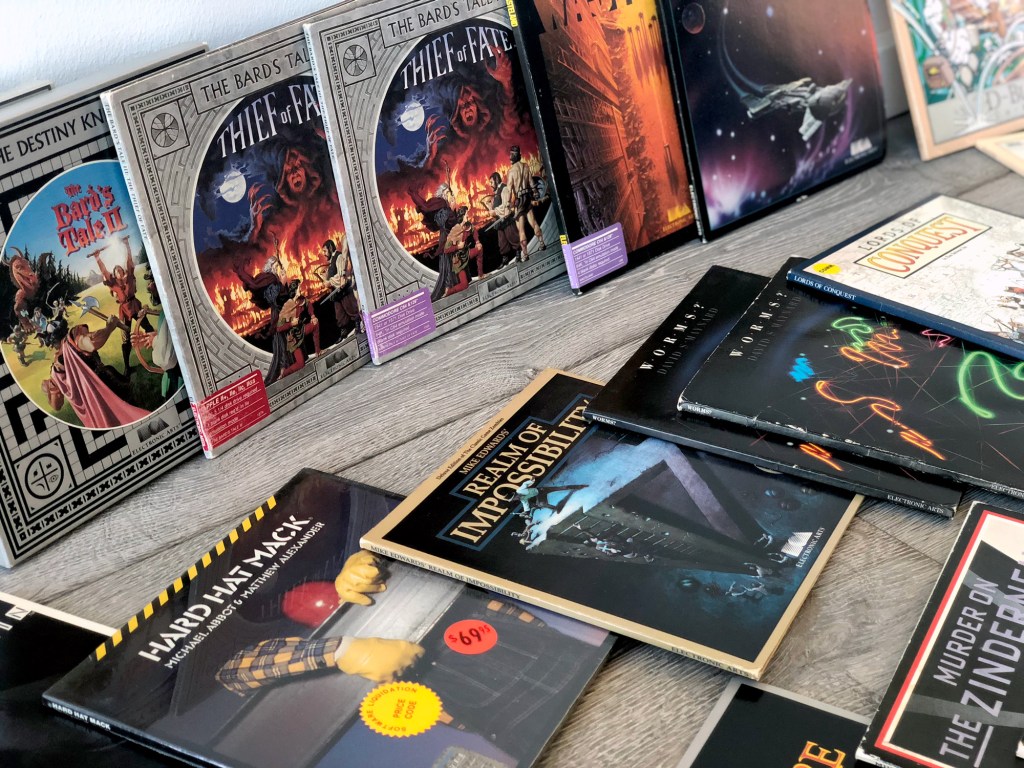
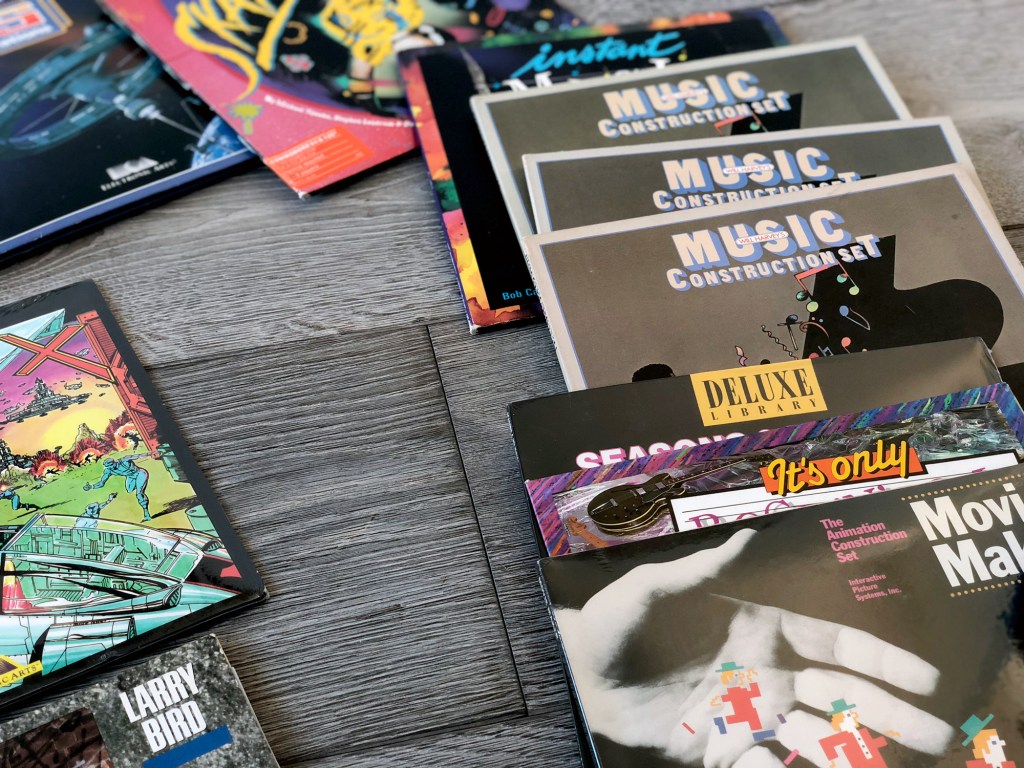
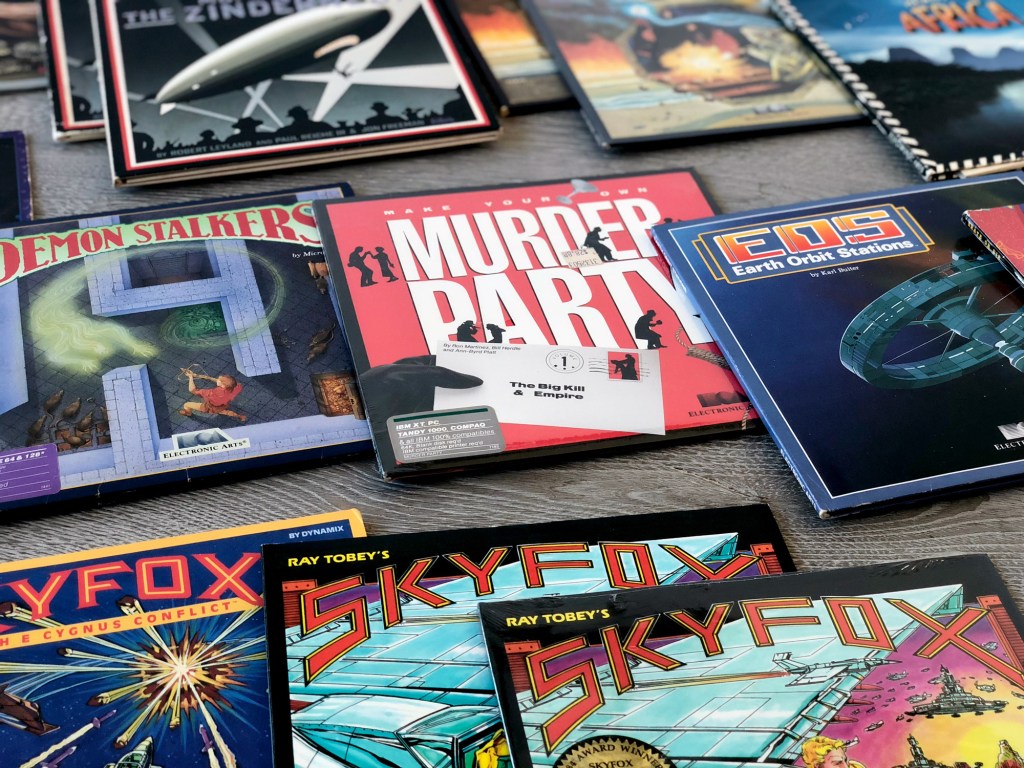
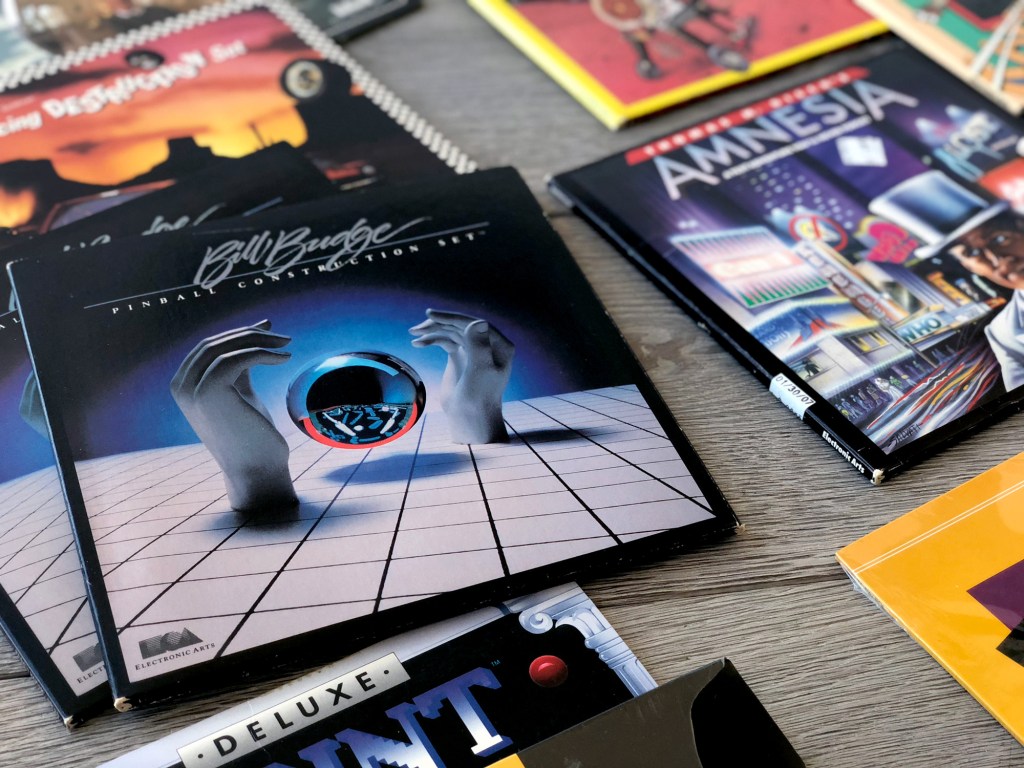
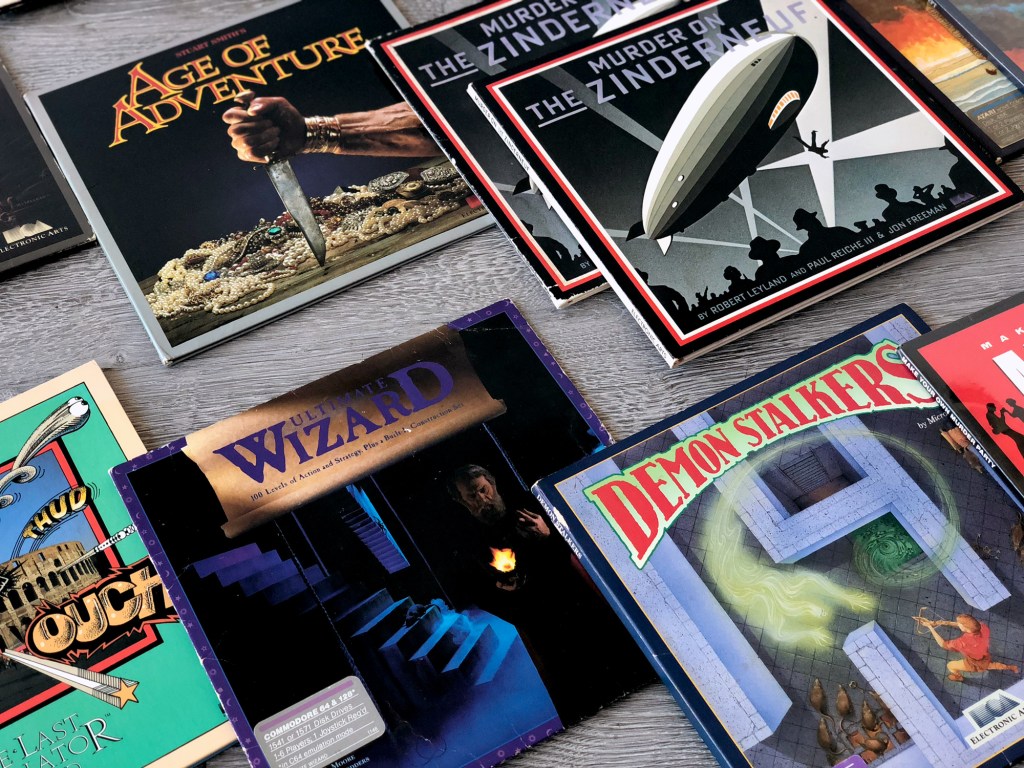
The albumstyle design for the packaging was a well thought out idea, with the designer’s names on the front and an elegant graphic design gave the games the hip appearance of the rock albums of the time. Other publishers like Activision and Mindscape ended up copying the same concept for period of time before changing to the more well known boxed format. In the first advertisement campaigns EA use slogans as Can a computer make you cry?. These ads featured images of the crew photographed by photographers, who mainly took pictures of rock stars.
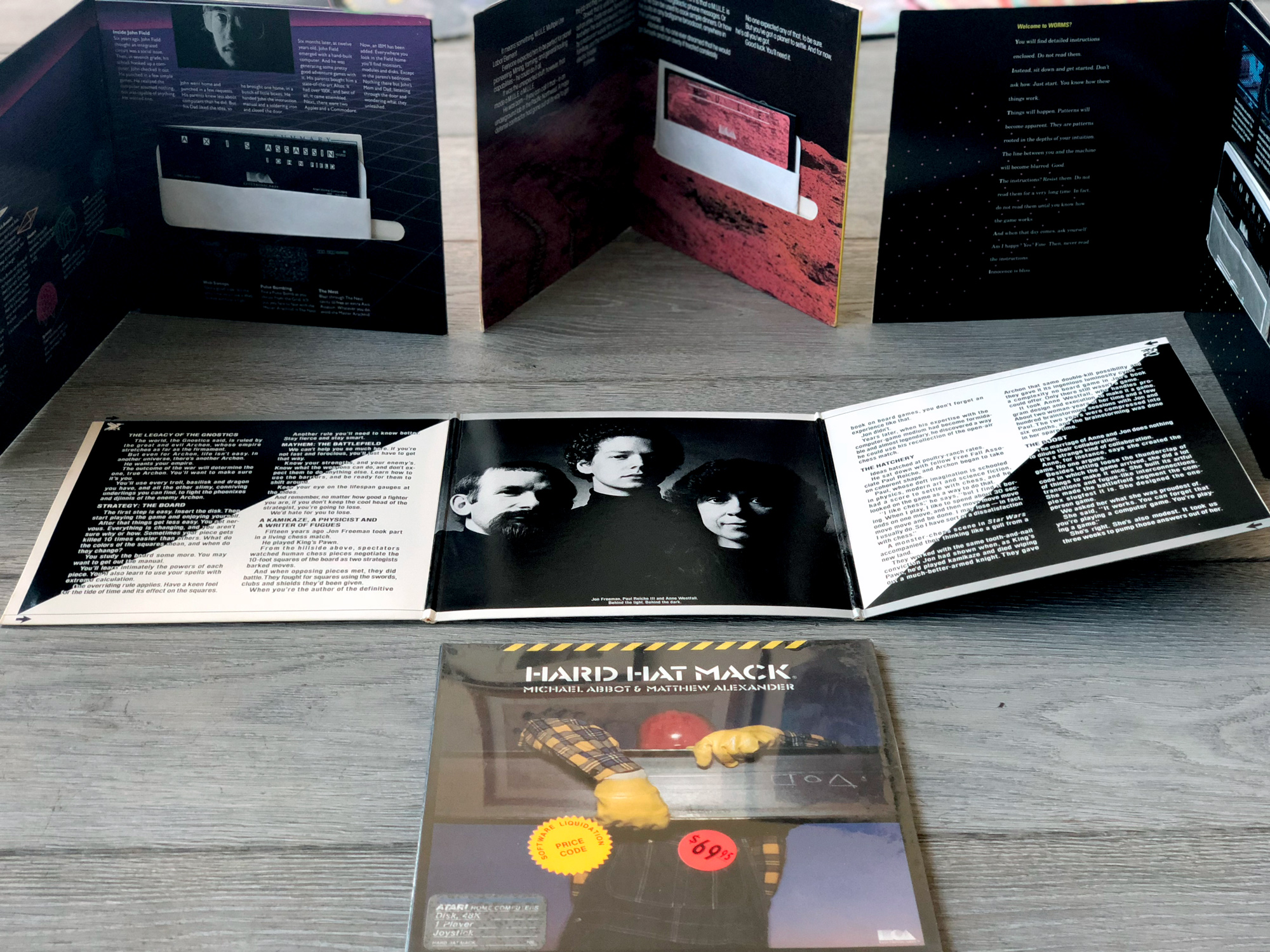
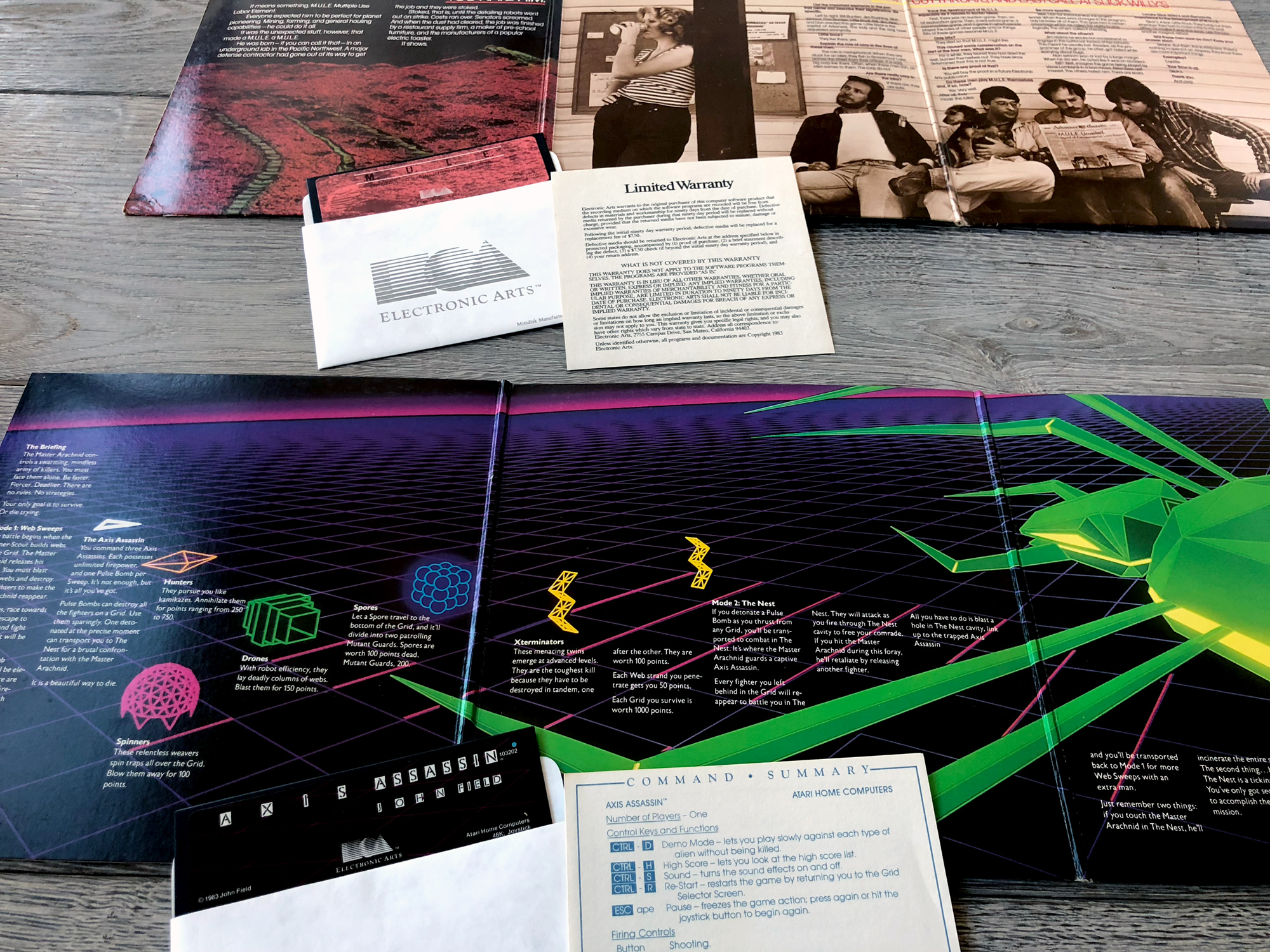
Typical designs from Electronic Arts, from the early eighties
Instead of selling games to distributors who would then sell them to retailers, Electronic Arts sold their games directly to retailers. This allowed them to bypass the middleman and increase their profit margin, a revolutionary move in the gaming industry.
The direct-to-retail approach proved to be successful for Electronic Arts, as they were able to establish strong relationships with retailers and better control the distribution of their games. It also allowed them to have more control over the marketing and promotion of their games, which helped them to build a strong brand identity and attract a loyal fan base.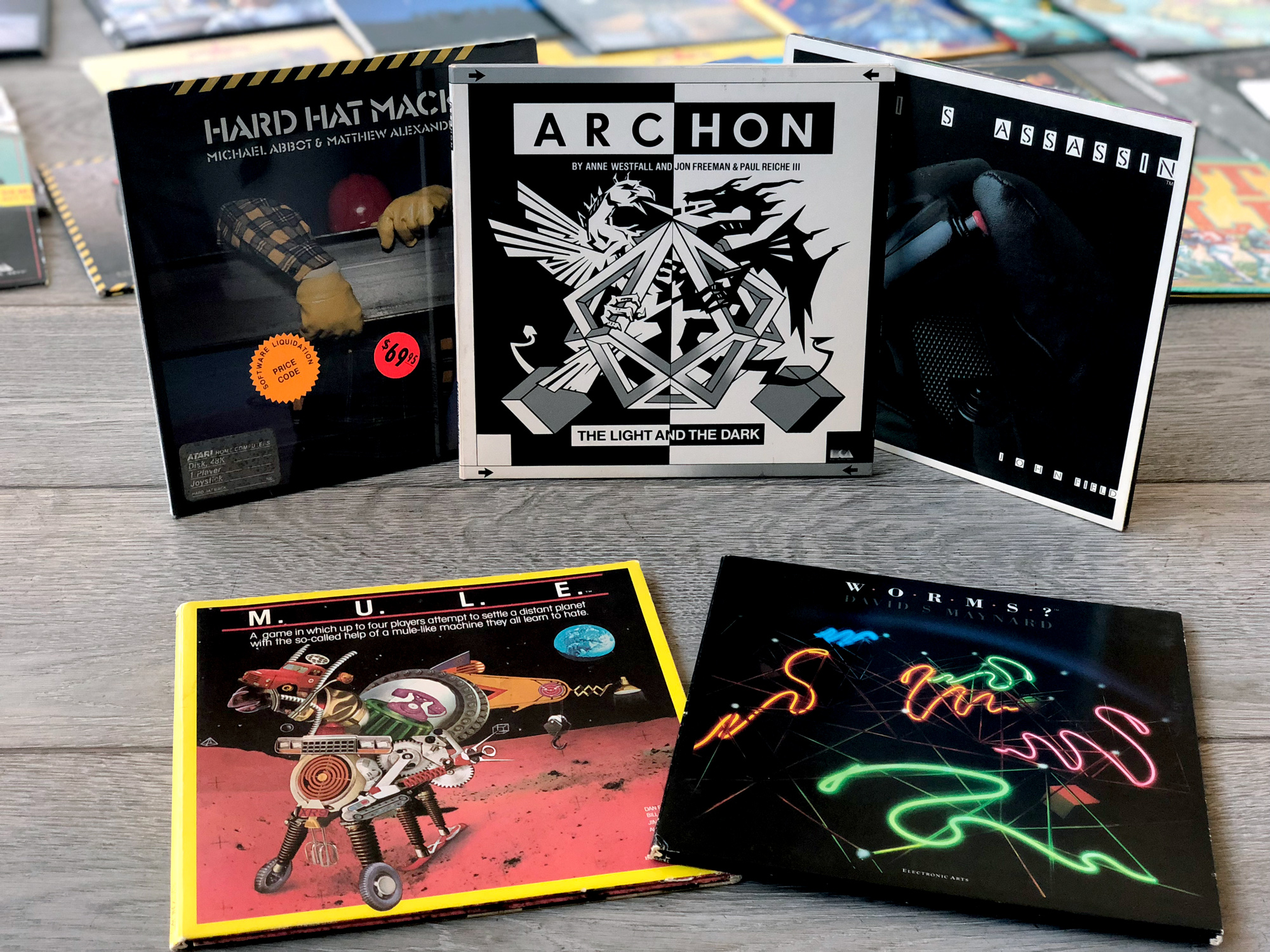
Electronic Art’s first lineup of games in 1983 included Hard Hat Mack (the first title), Archon: The Light and the Dark, Axis Assassin, MULE and Worms?.
-Hawkins remembered, “In hindsight, my choices of the first round of products turned out amazingly well. Of the first six games, three of them ultimately made the Computer Gaming World Hall of Fame, and a fourth one charted on the bestseller lists of the day.”
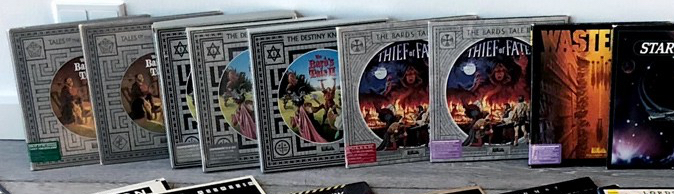
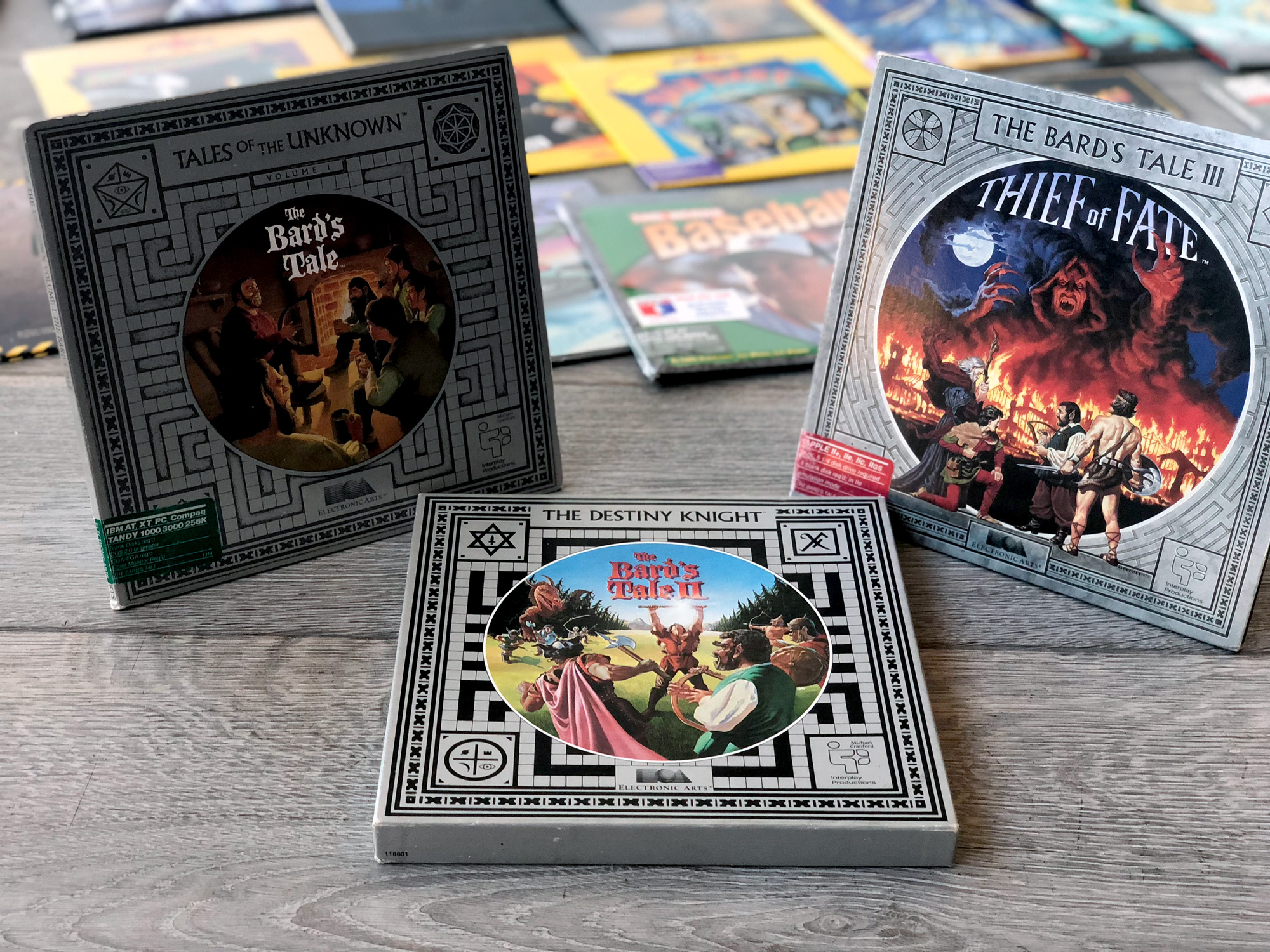
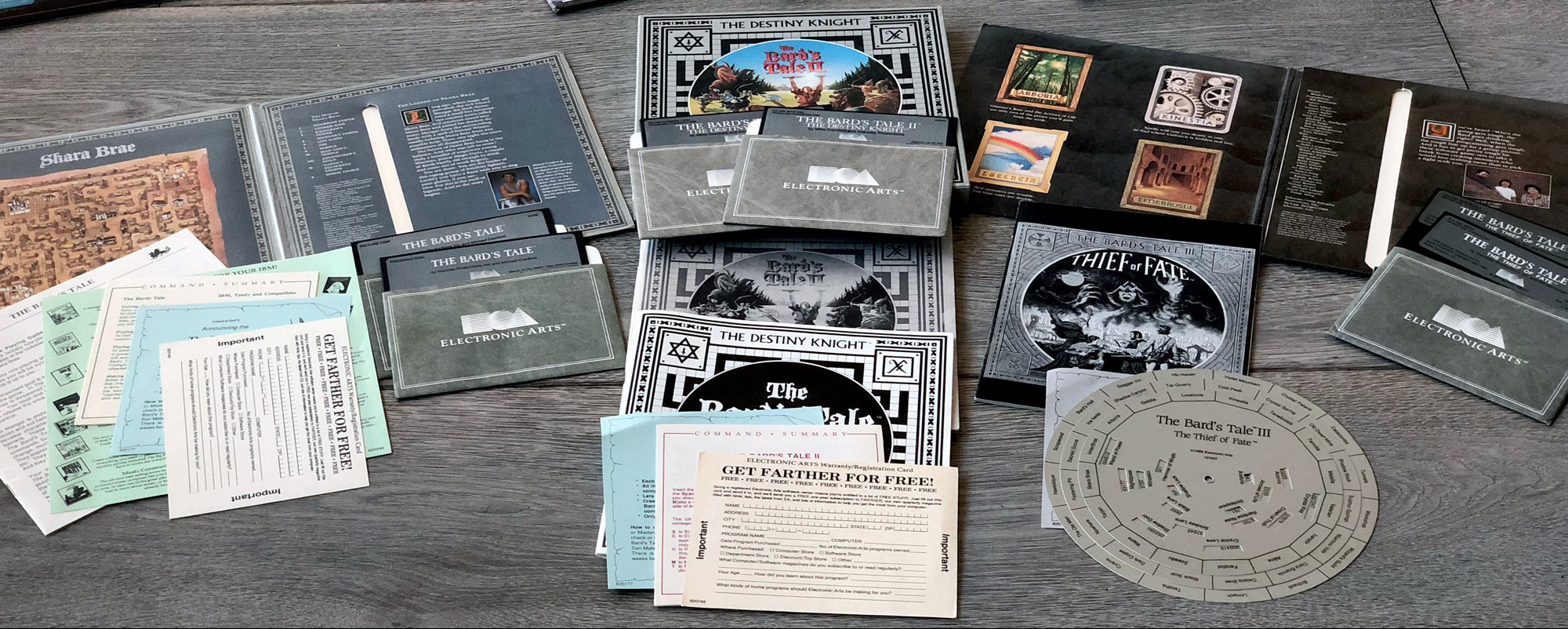
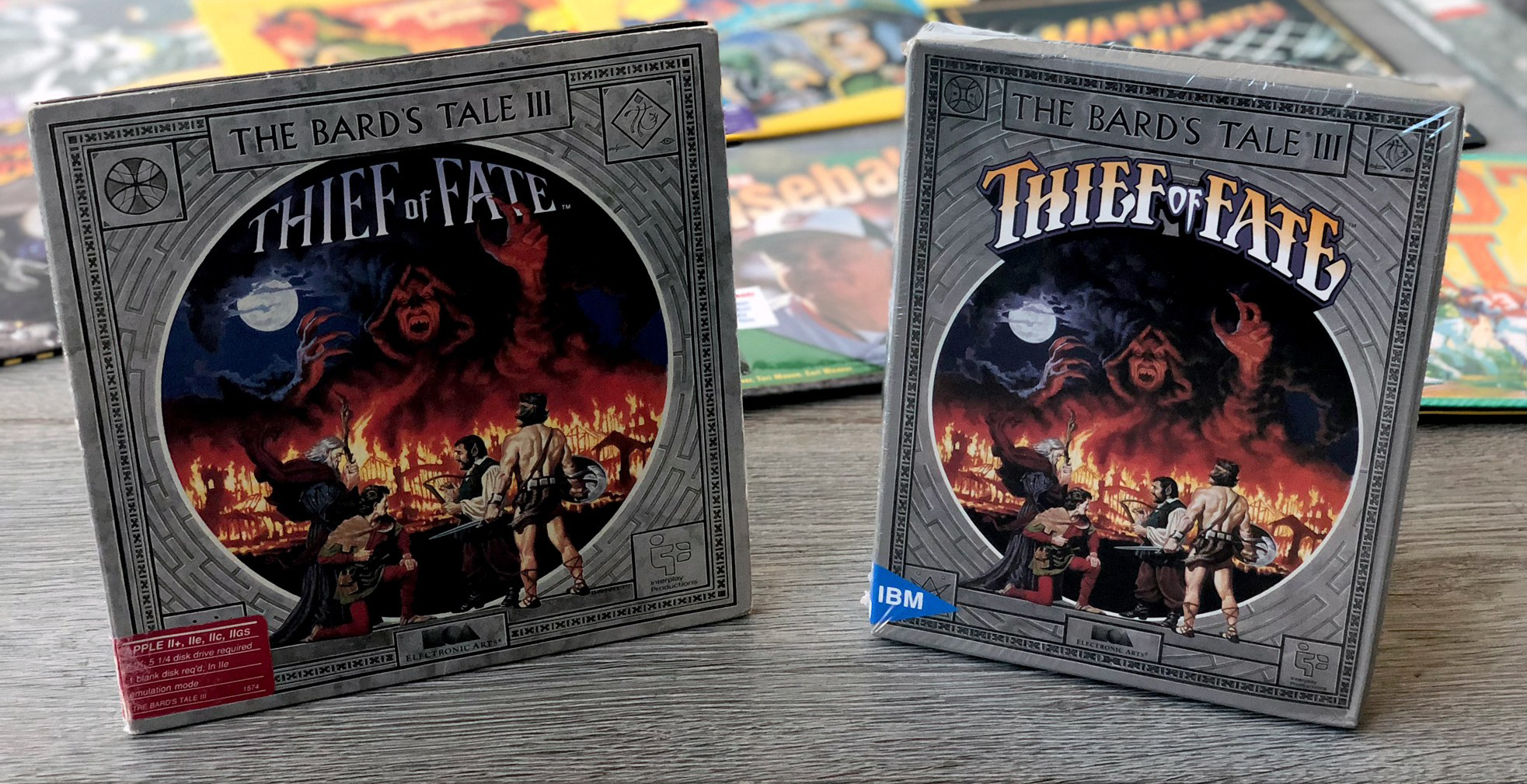
The Bard’s Tale became the best-selling computer RPG of the 1980s with over sold 400,000 copies. It was the first non-Wizardry computer role-playing game to challenge Origin and Richard Garriot’s Ultima series
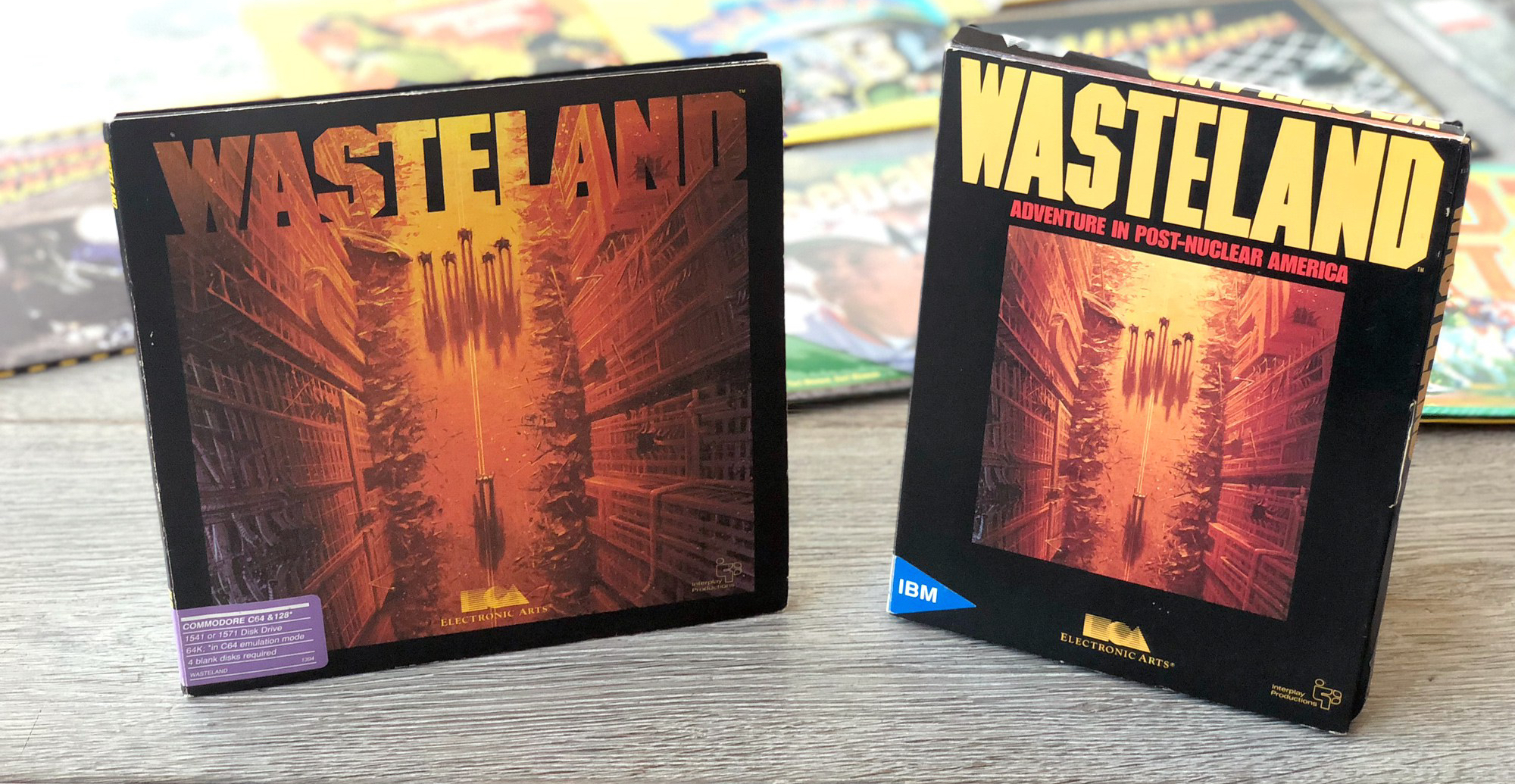 Wasteland, considered the grand farther of futuristic post apocalyptic RPG’s, was originally released for the Apple II and Commodore 64 as gatefold but later ported to the IBM/PC as a boxed version
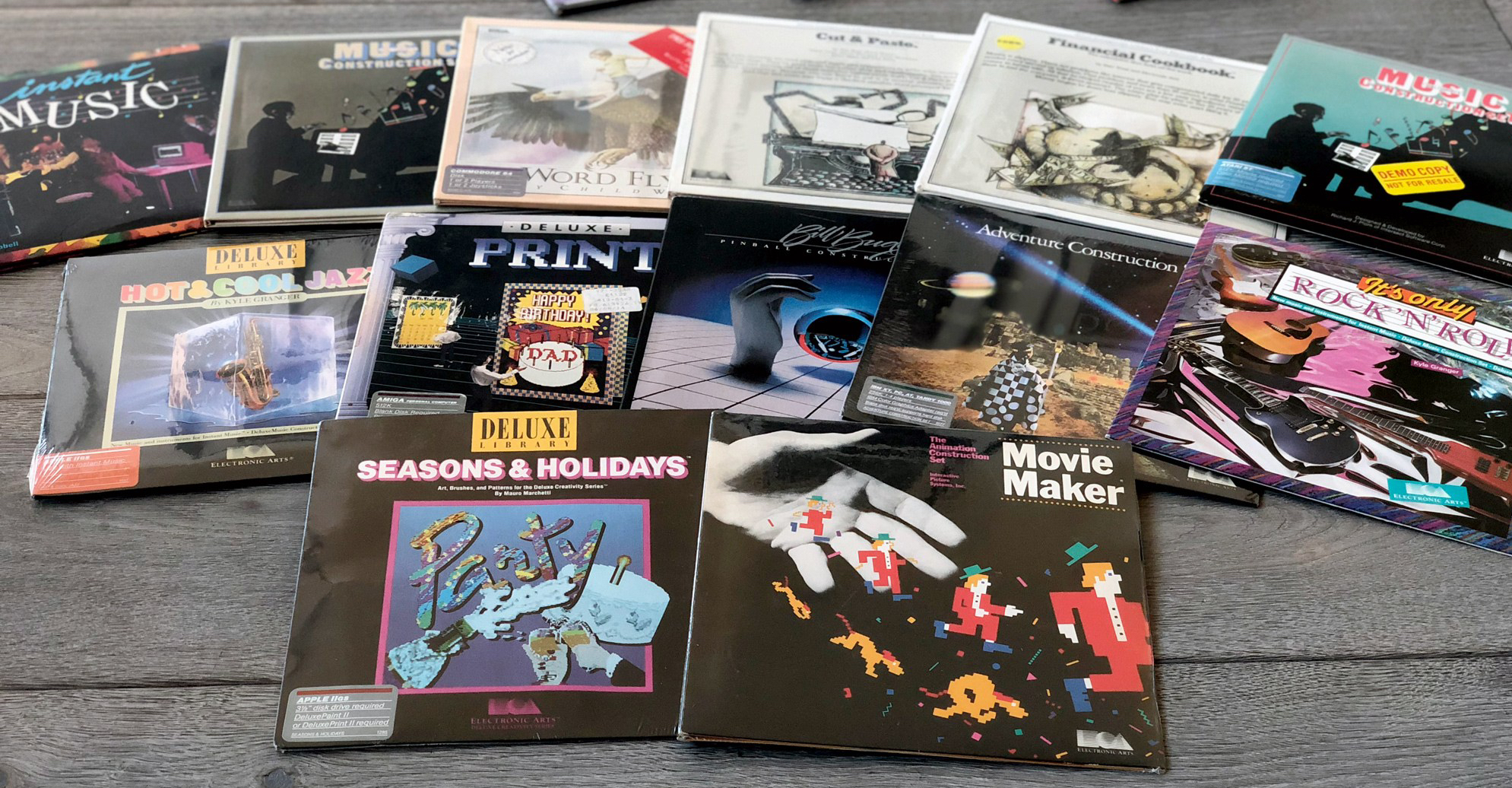
Throughout the eighties Electronic Arts gave everybody the change to be creative and do their own text, graphics, sounds, music, and game creations

 Retro365
5 thoughts on “Electronic Arts – The Albumstyle era”