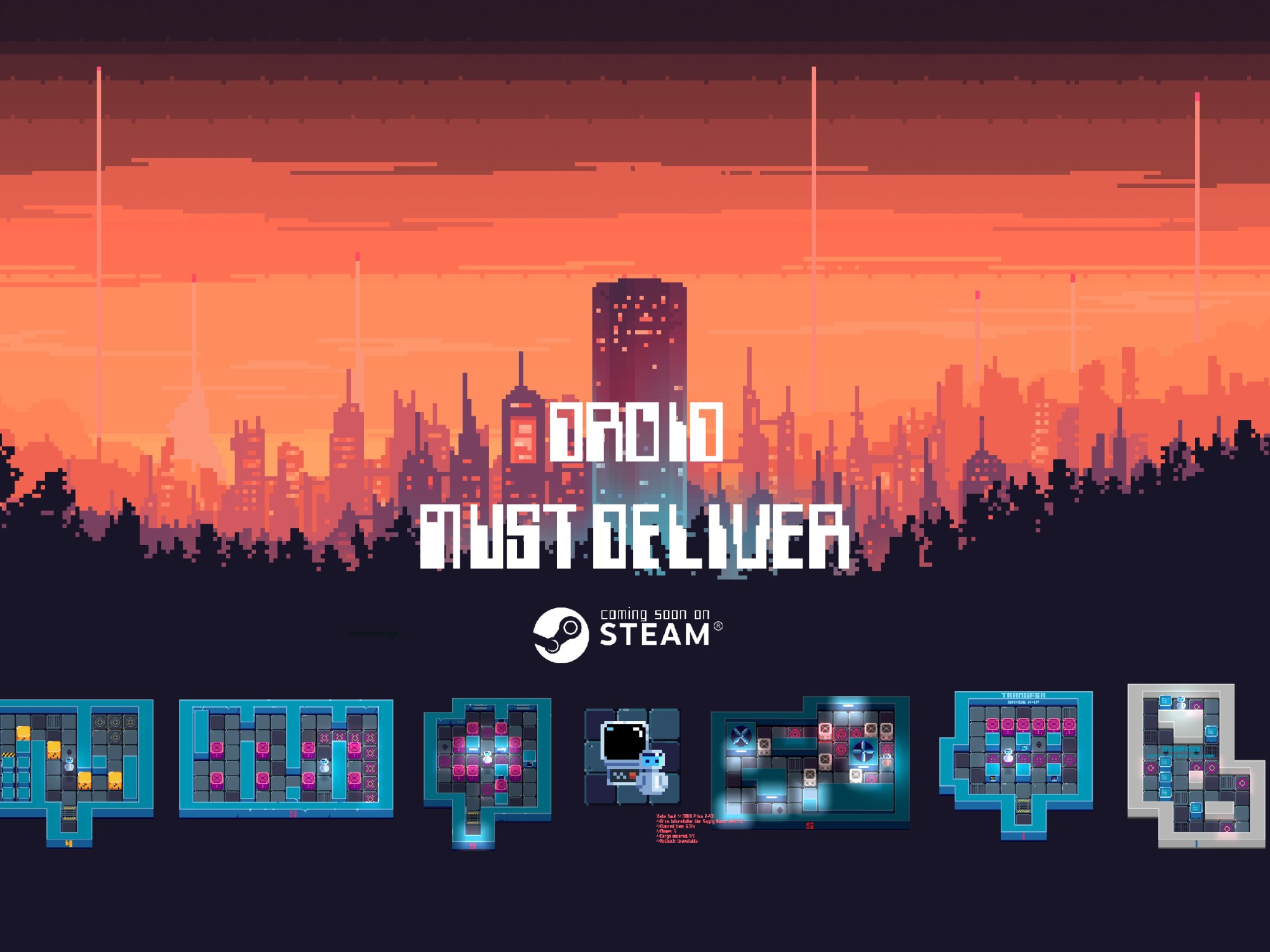
I needed a break from blog-writing and from creating videos for my YouTube channel, so I spent the last couple of months developing a new game. I have previously created several smaller games, published during the mobile gaming boom, but that was more than a decade ago.
I’ve always been a big fan of Sokoban games. In the 1980s and early ’90s, I played Spectrum Holobyte’s Soko-ban and have been fascinated by the simple yet challenging concept of pushing crates ever since. Sokoban, Japanese for “warehouse keeper”, is a grid-based puzzle game created by Hiroyuki Imabayashi in 1981 and first published commercially in Japan in December 1982 byThinking Rabbit for the NEC PC-8801 home computer.
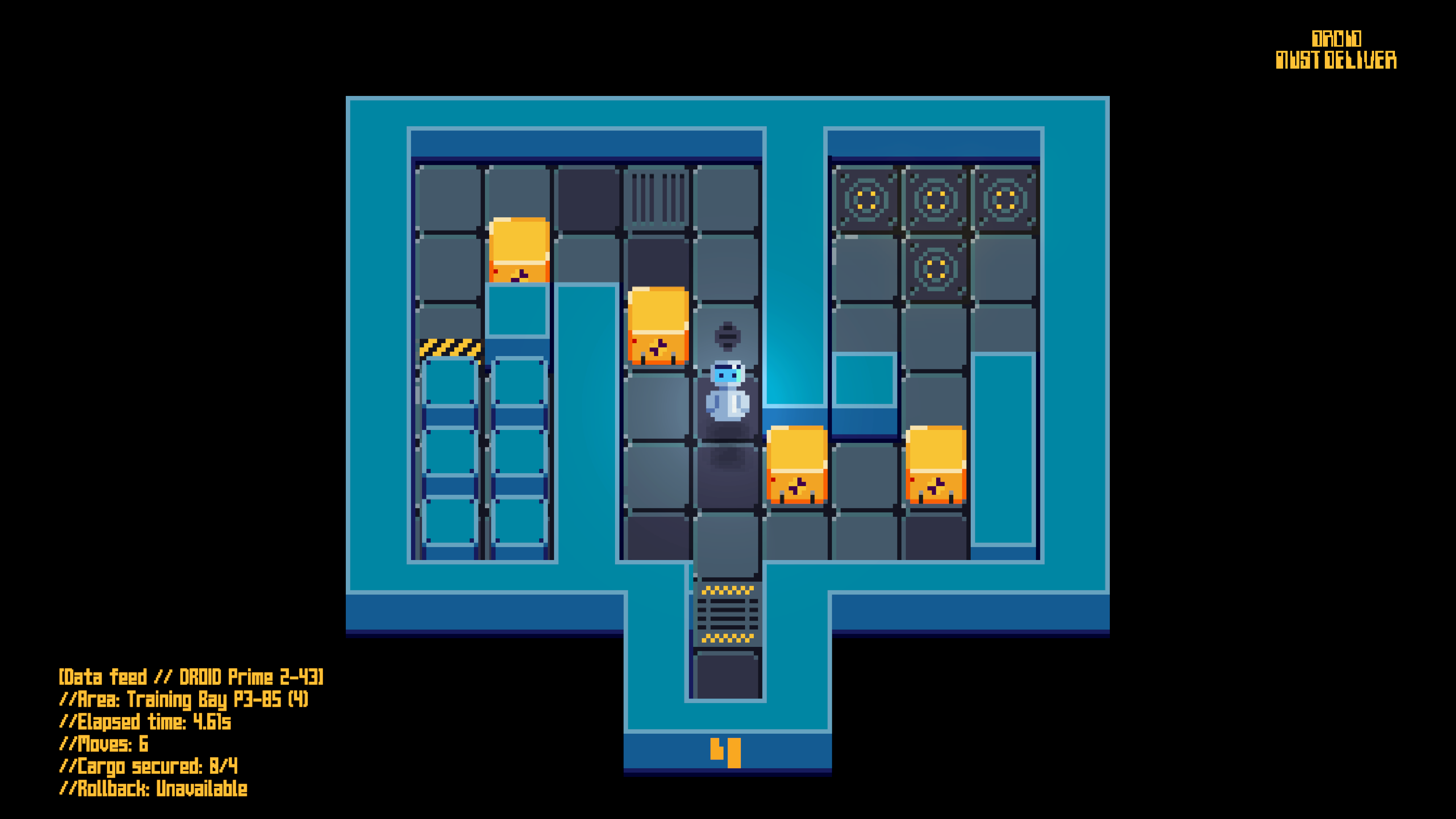
The player controls a character inside a warehouse, viewed from above, and must push boxes onto designated storage locations. Boxes can only be pushed, never pulled, and only one box can be moved at a time. This simple rule creates deep puzzles where planning ahead is essential, and one wrong move can make a level unsolvable. Its minimalistic mechanics have made Sokoban one of the most influential puzzle formats in video game history, spawning thousands of clones and variants.
In the late 1980s, American publisher Spectrum Holobyte licensed the Sokoban concept from its Japanese rights holders and brought it to Western home computers under the title Soko-Ban. Versions were released in 1987–1988 for the Commodore 64, IBM PC, and Apple II. Spectrum Holobyte’s release included 50 classic Sokoban puzzles and was the first widely distributed Western edition, introducing many players outside Japan to this deceptively challenging puzzle format.
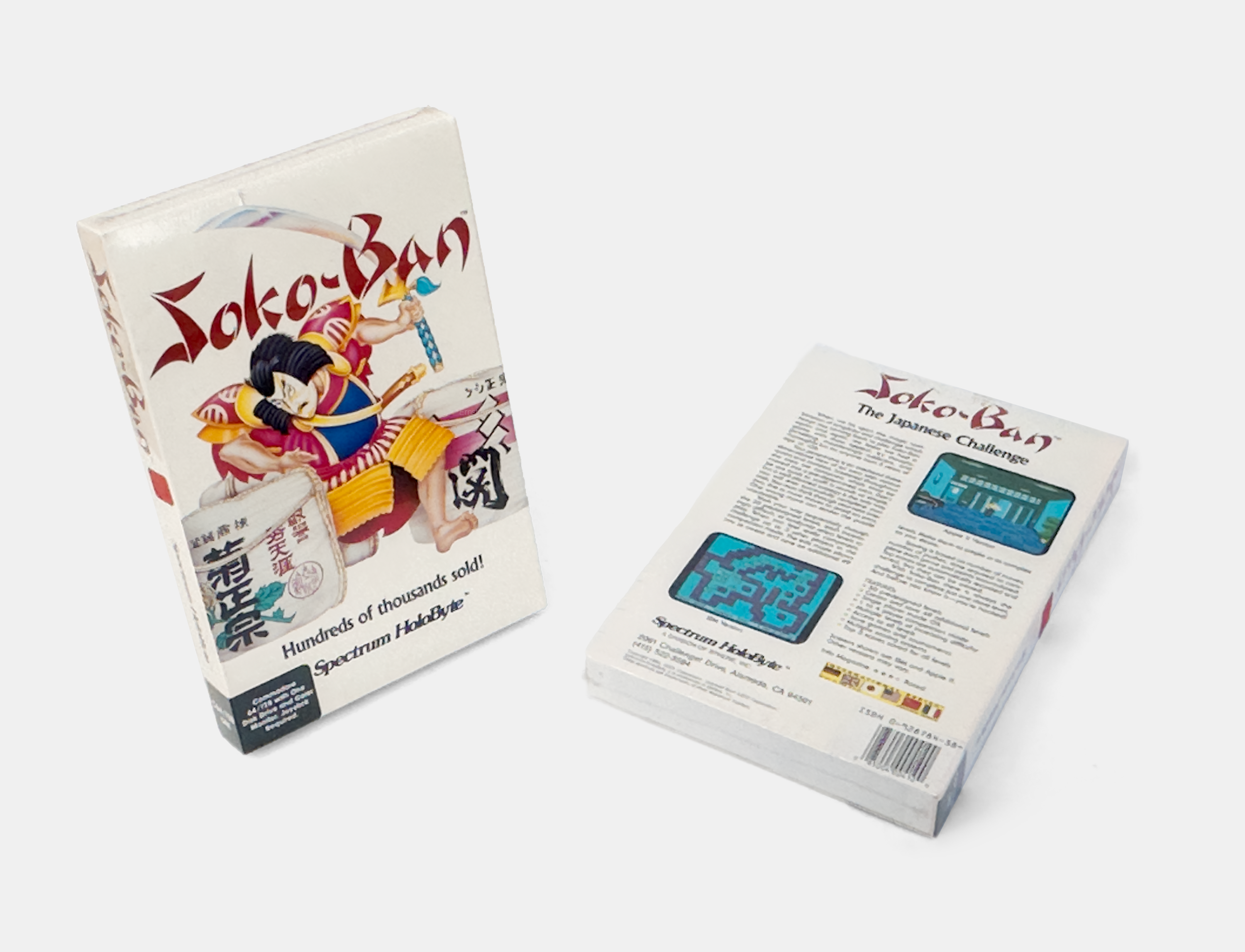
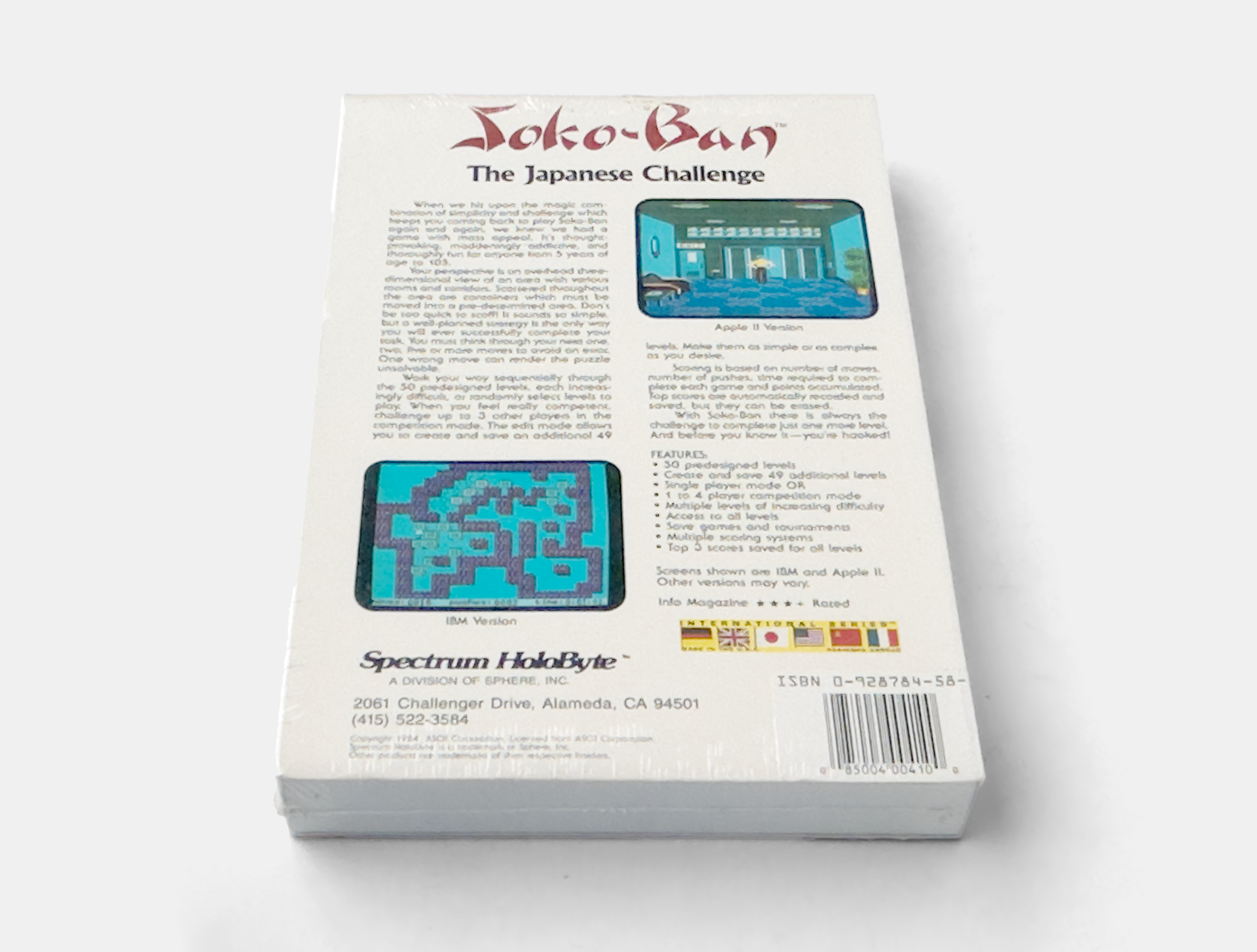
Spectrum Holobyte acquired the rights to bring Sokoban to Western audiences, releasing Soko-Ban in 1987–88 for several popular home computers.
Spectrum Holobyte’s Soko-Ban, the game that introduced me to the Sokoban concept in the late 1980s.
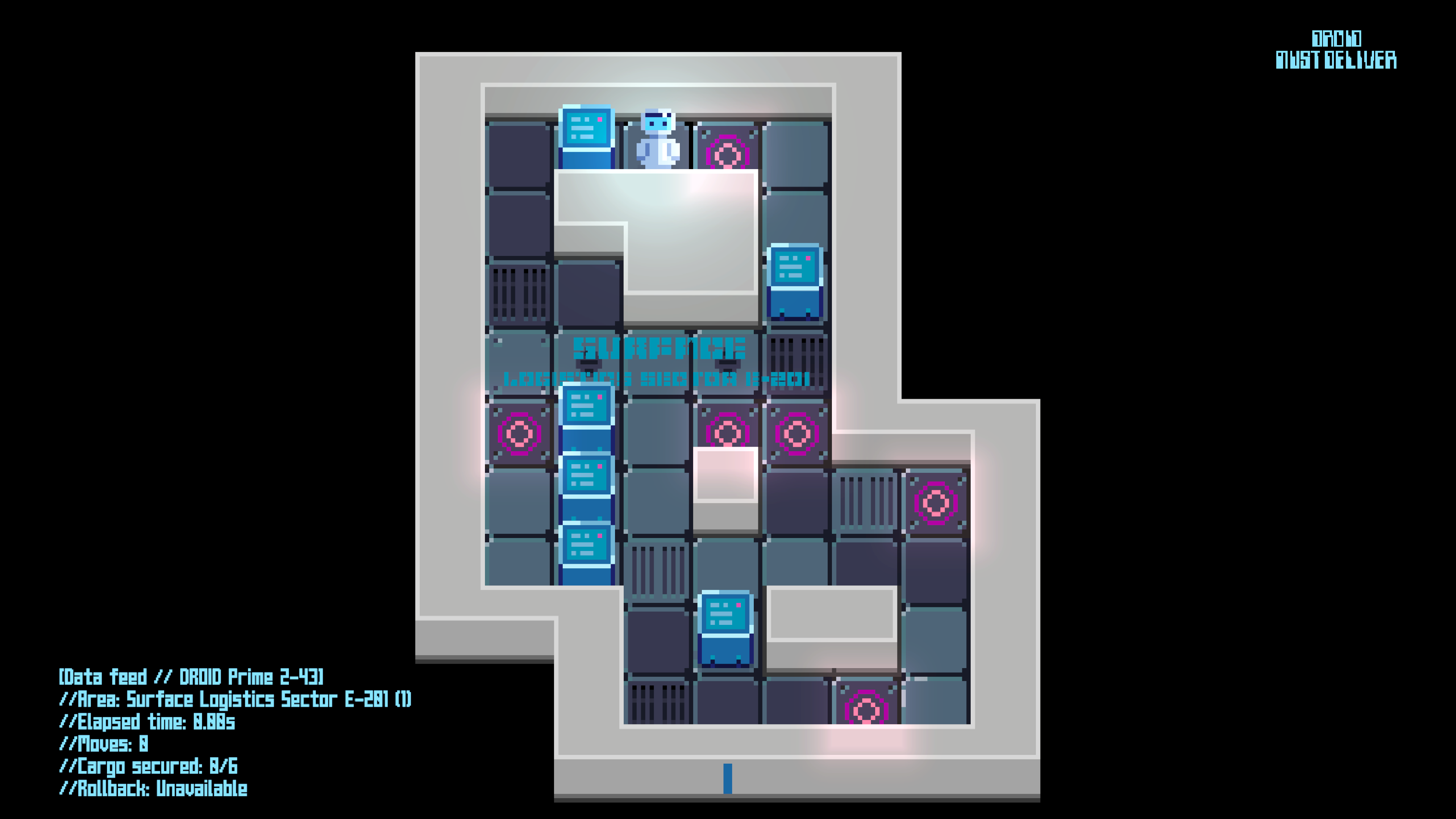
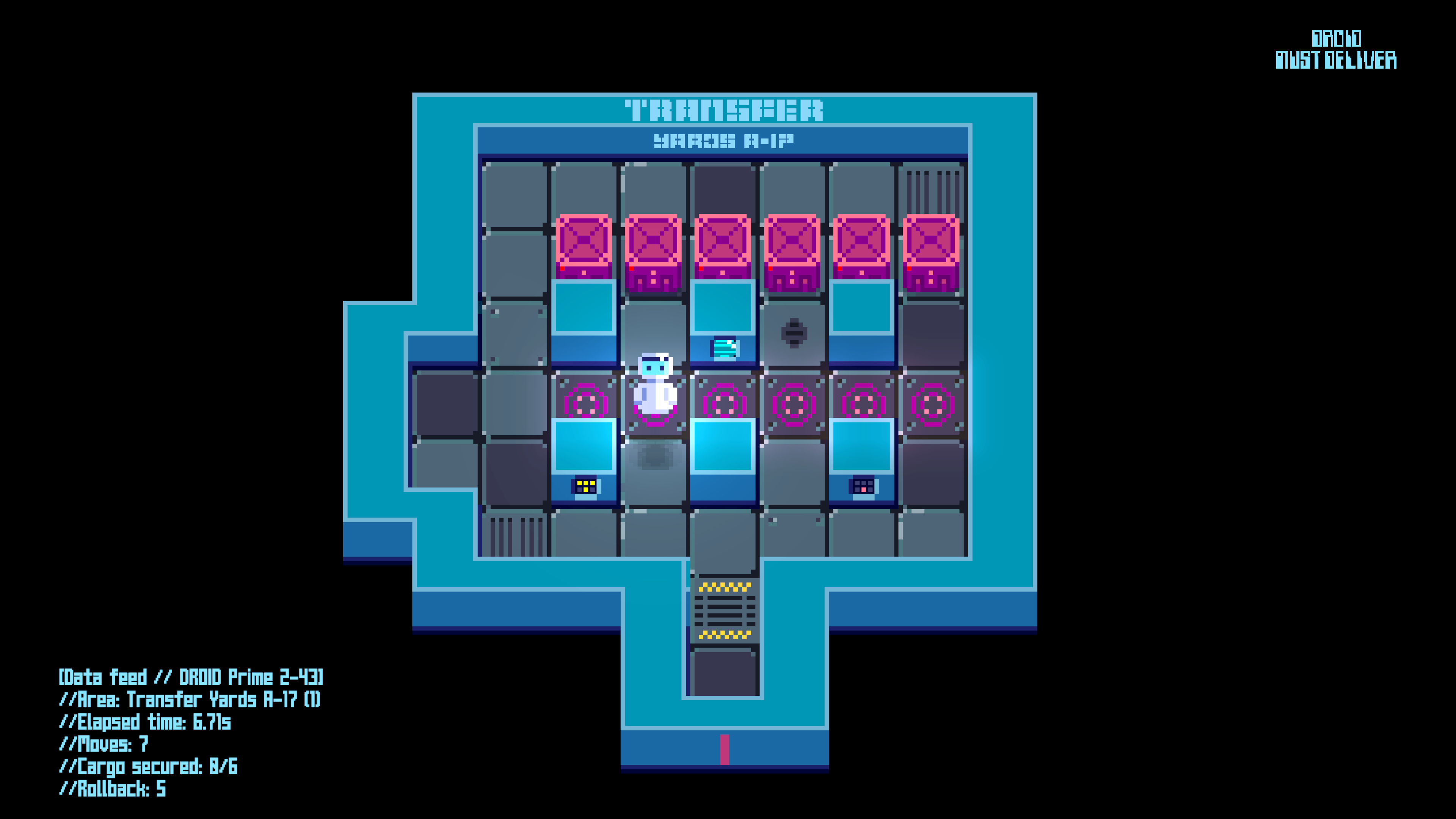
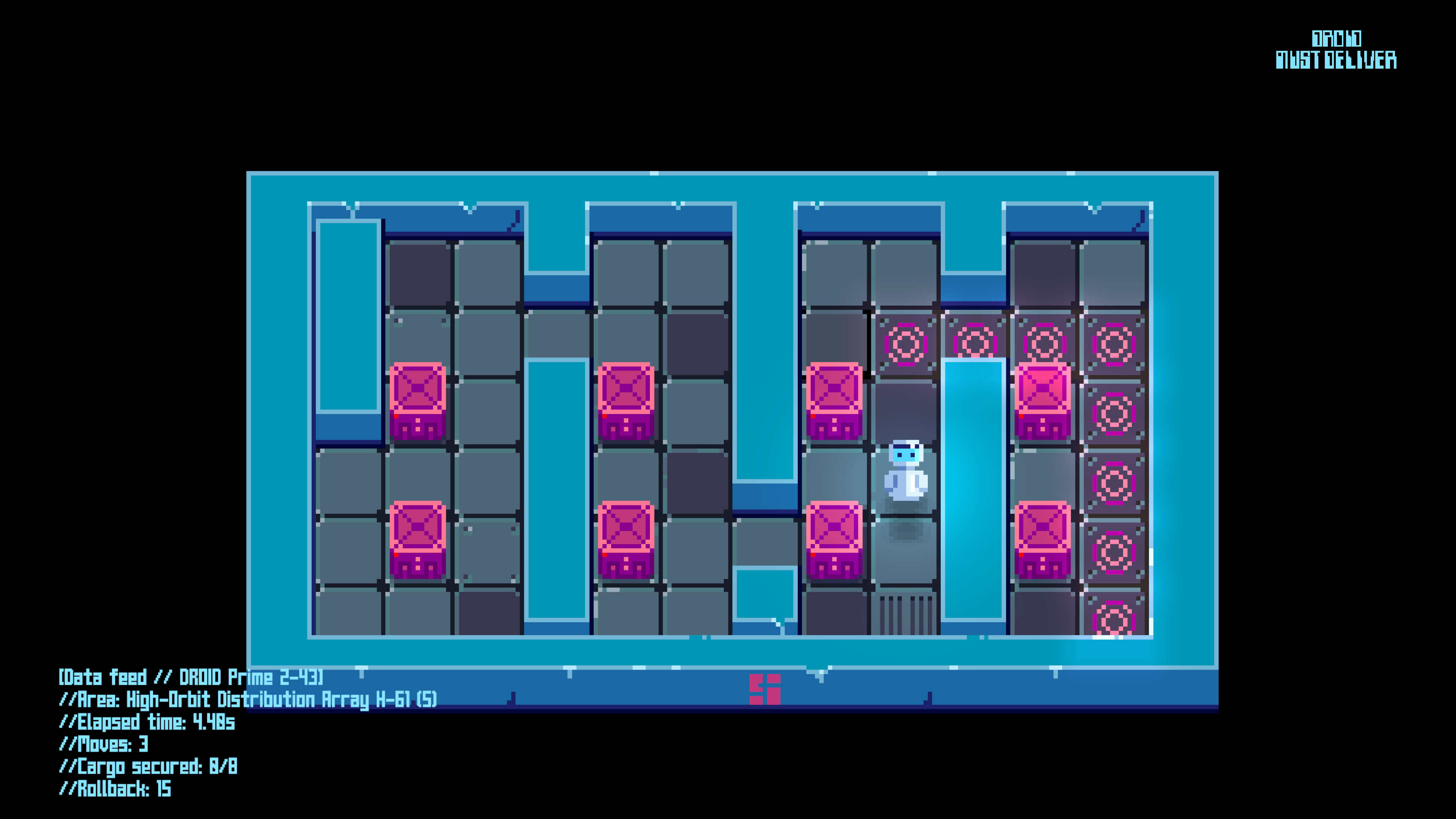
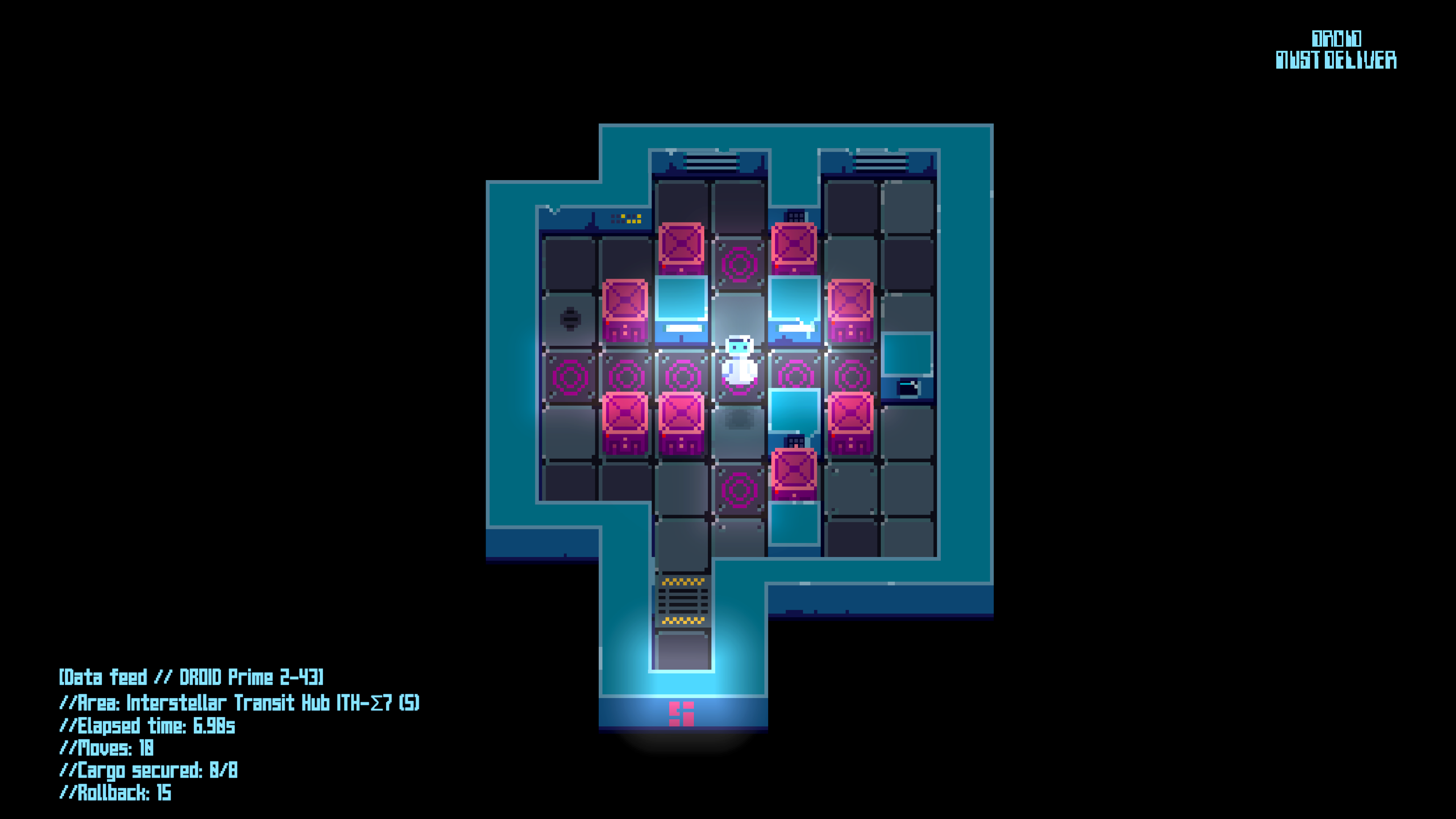
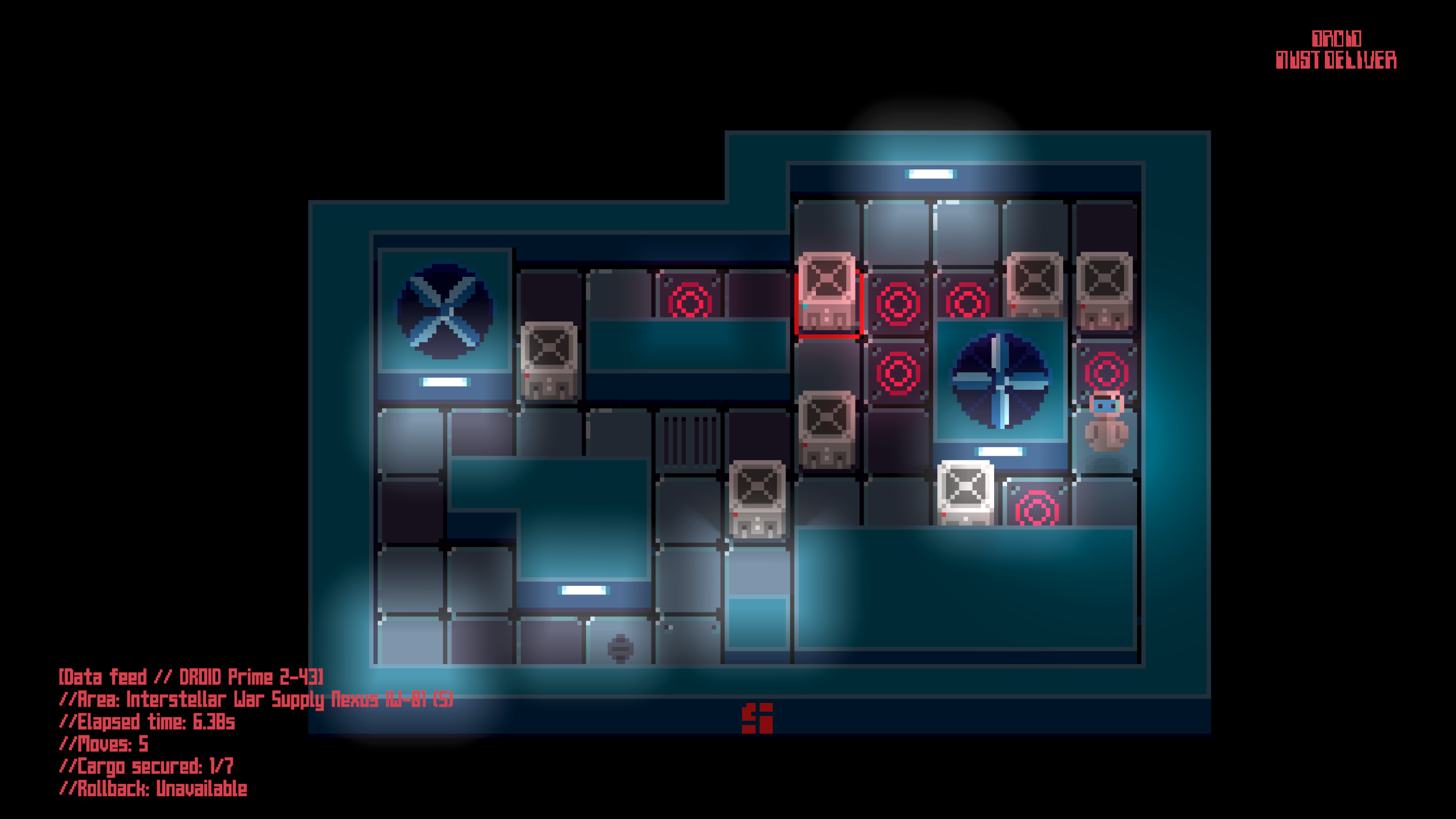
I had been toying with the idea of putting my own spin on the concept for a long time, and last autumn I finally decided to dedicate some spare time to it. I envisioned a sci-fi theme and setting, where the player would advance through ranks as a small droid with big dreams. The system is both encouraging, as your effort is crucial to the war effort, and quietly mocking, keeping the ambitions in perspective.
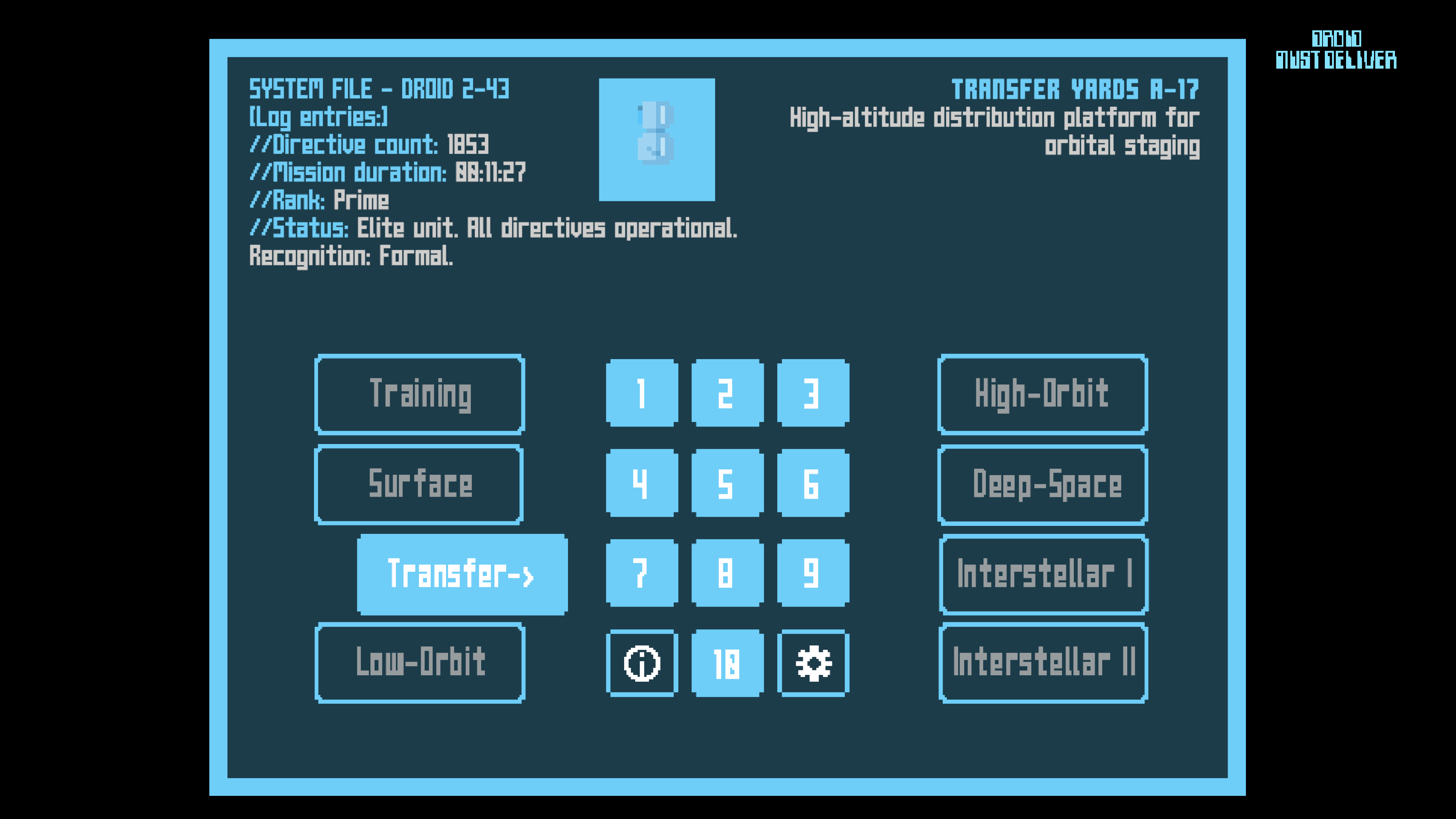
Sokoban challenges come in all shapes and sizes. Some with larger levels with many crates and designated positions, and smaller, more cramped, cryptic levels with only a few crates. I’ve always preferred the latter, and in designing the game, I’ve tried to create 80 levels that hopefully never feel overwhelming, yet remain satisfying and challenging.
I’m thinking of designing a “big box” version, maybe a slipcase box, just like the one Spectrum Holobyte released nearly 40 years ago. I’ll keep this post updated with the process.
A small gameplay trailer
A short “making of” video, showing a small part of the development process.
If you enjoy Sokoban-style games or just like clever puzzles in general, you can visit my Steam page and add the game to your Wishlist. Droid Must Deliver will be available this February.
https://store.steampowered.com/app/4310810/Droid_Must_Deliver/
 Retro365
Great job! So you are both a developer, publisher, and museum curator :)
Thanks, Yes, I wear many hats:)