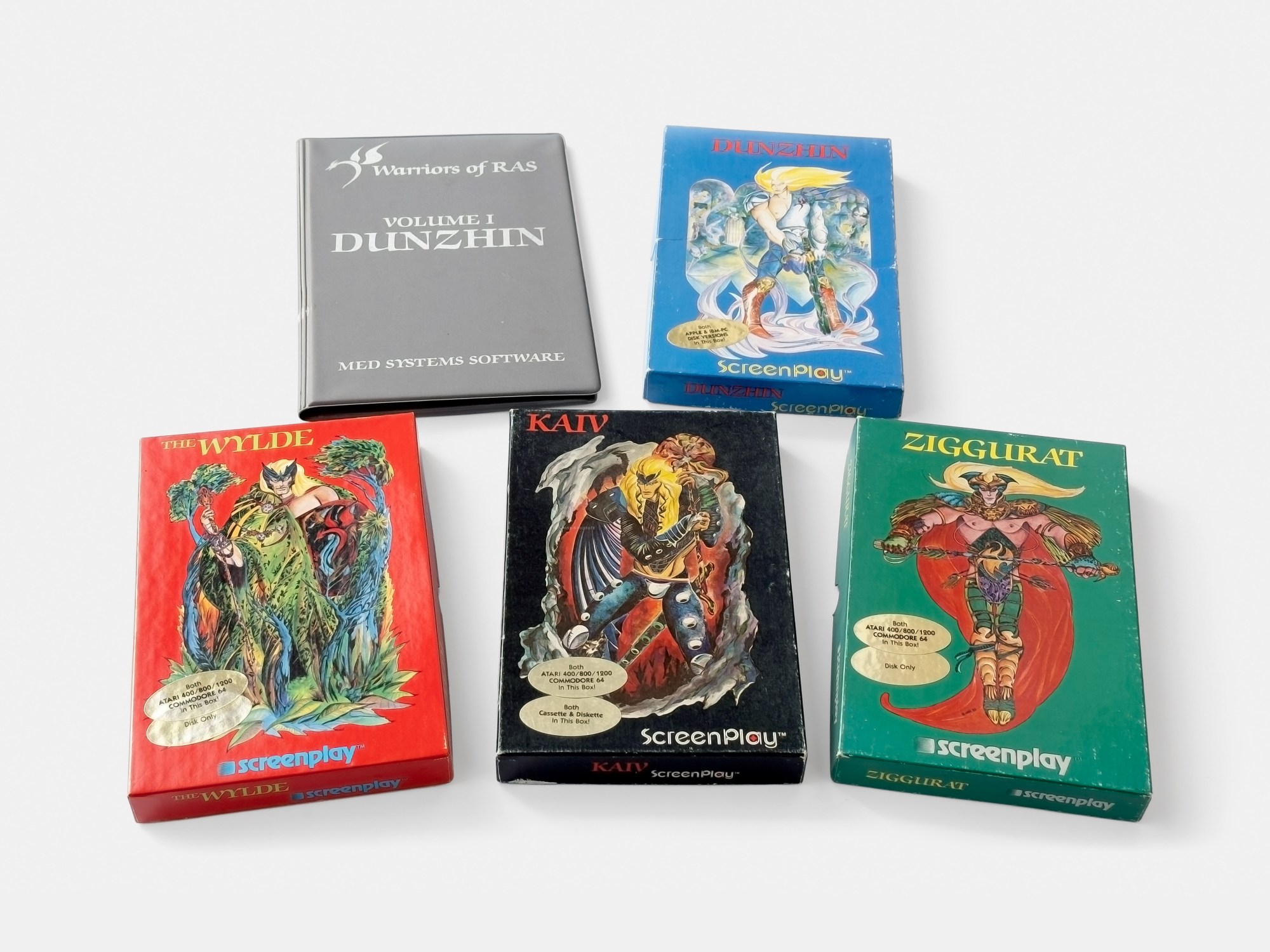
Welcome to another Quick Bits article. As I’m tied up in other projects at the moment, this one will be very brief with a few pictures and a single gameplay video. Hopefully, I’ll have more time later in the year to continue doing more extensive posts.
In 1979, Randall Don Masteller, inspired by his Dungeons & Dragons sessions began work on the first title in what would become a series of four Rogue-like roleplaying computer games. Masteller had earlier, along with a friend created a tabletop roleplaying game employing his own approach to the rule and combat system. Now, with personal computers slowly starting to emerge, he wanted to create a replayable game he and his friend could enjoy.
Adopting his own take on rules and combat system, Masteller began writing a simple text-command controlled roleplaying game in BASIC on his TRS-80 computer. As he wanted the play area to be randomly generated he dubbed the endeavor, The Warrior of Ras, Ras standing for Random Area Series.
In 1981-82, while Masteller was working on the fourth title, he and Med Systems Software came to an agreement on a publishing deal. As The BASIC code was too easy to alter and pirate, Med Systems lead programmer William F. Denman, Jr. rewrote it in Assembly language.
To avoid any possible legal actions by TSR, Inc. who held the rights to Dungeons & Dragons, Masteller chose Dunzhin as a play on Dungeon, and to keep up the tradition the following two titles utilized the same somewhat odd naming convention. The first three titles, Dunzhin, KAIV, and The Wylde were published in 1982 for the TRS-80.
Later in 1982, Screenplay, a division of Intelligent Statements acquired Med Systems Software, and the titles including the upcoming fourth title were released under the Screenplay name, and for a number of popular home computers of the time.
Screenplay managed to get the series into Toys’R’Us where it sold for a few years.
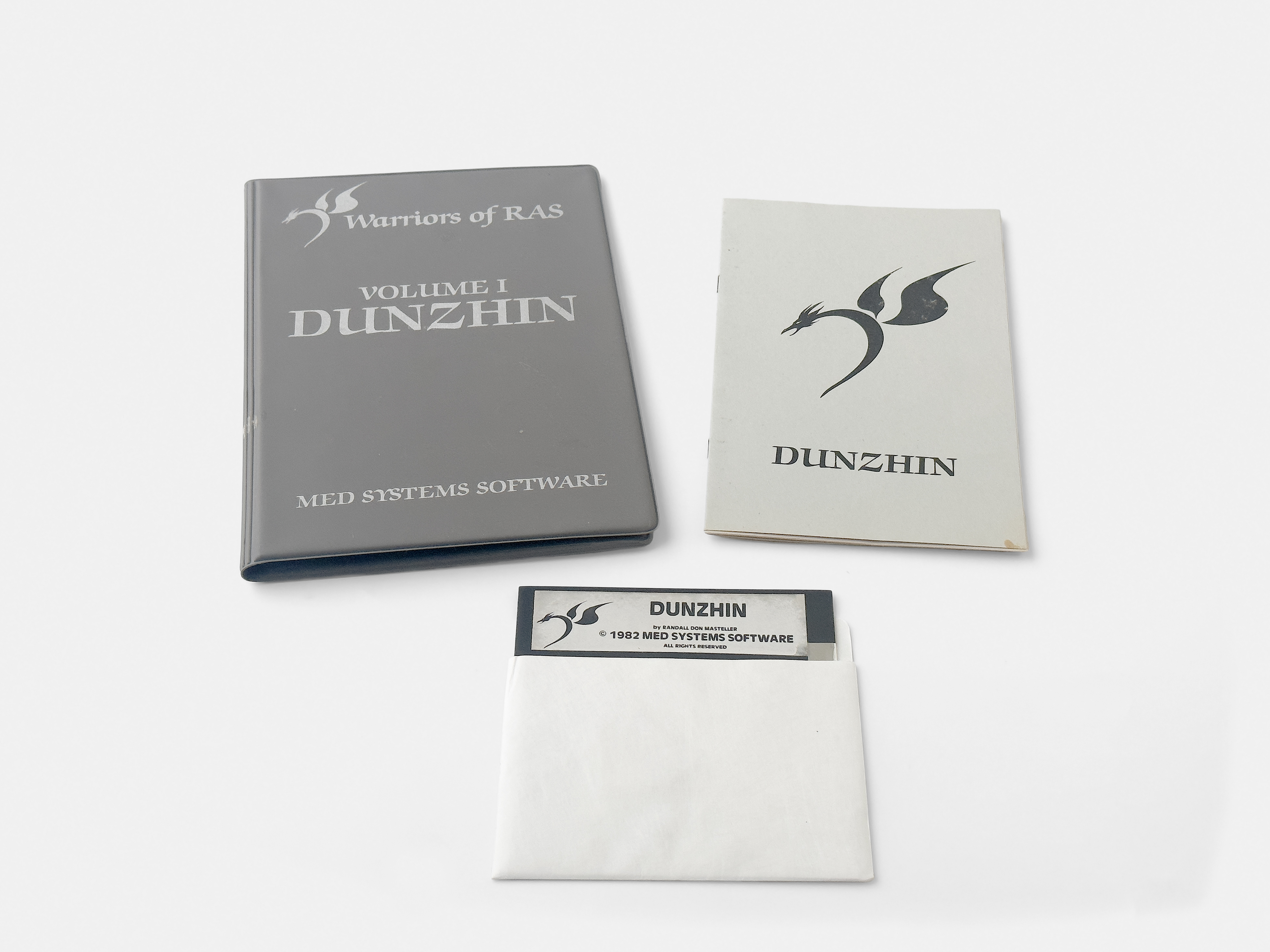
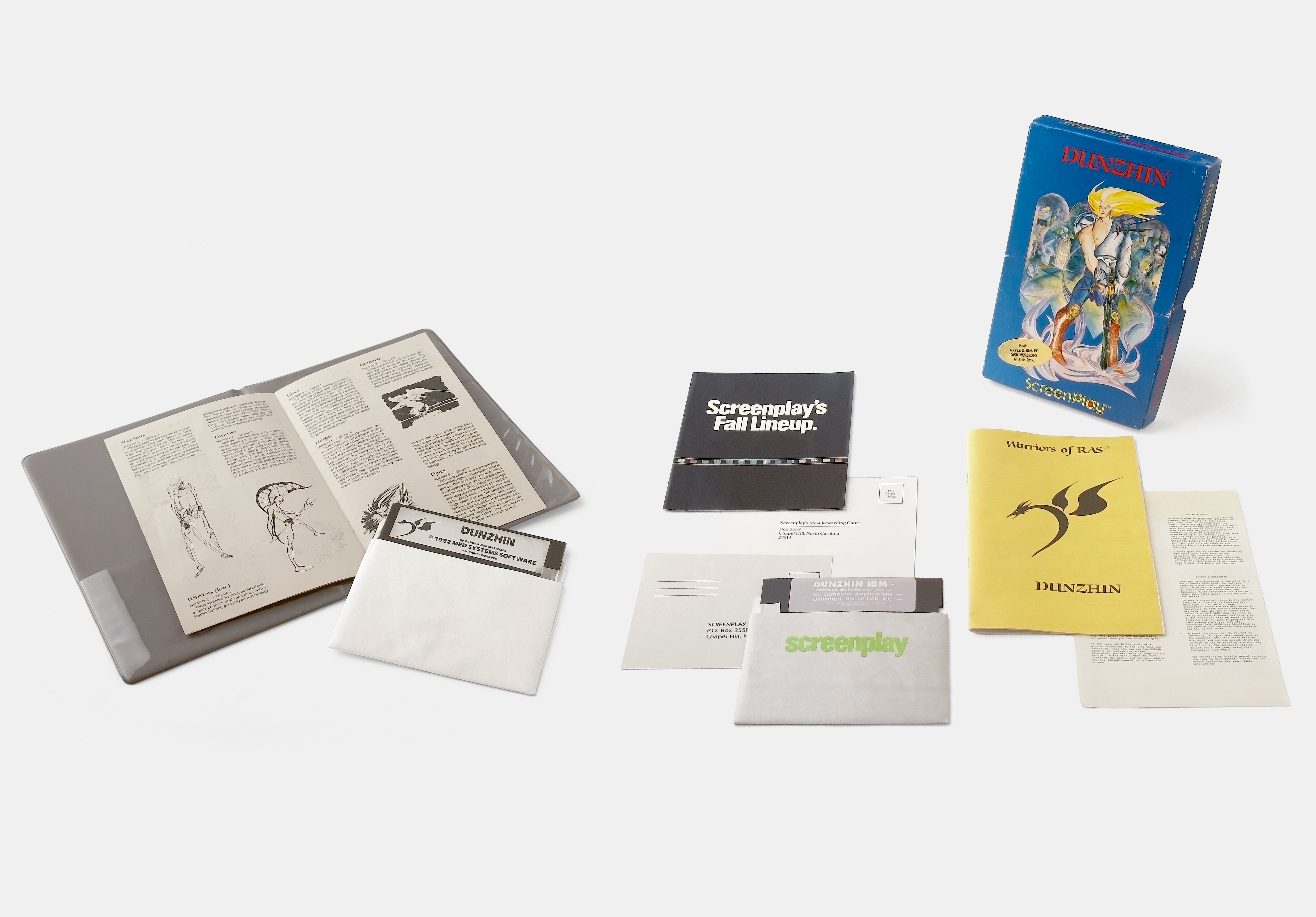
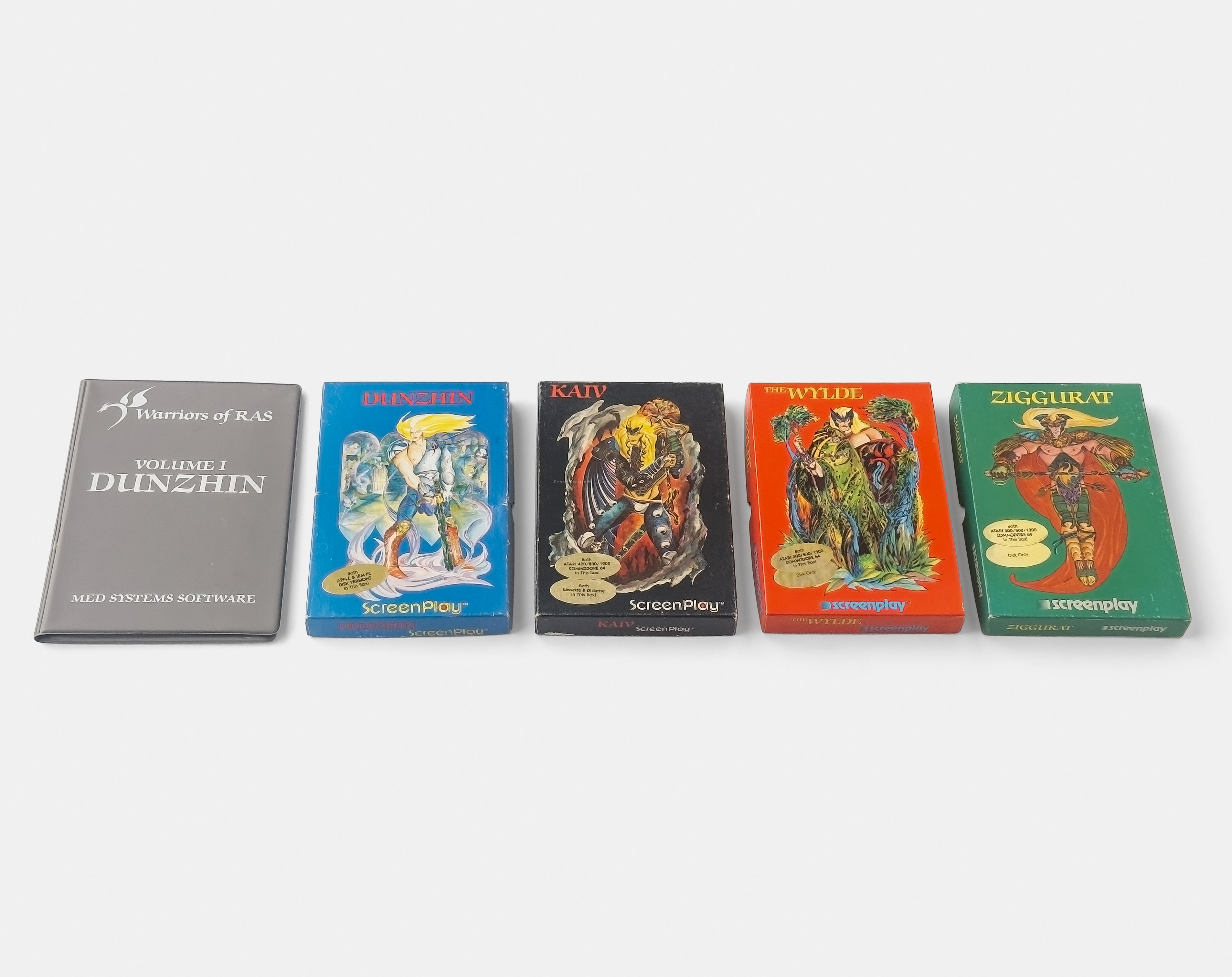
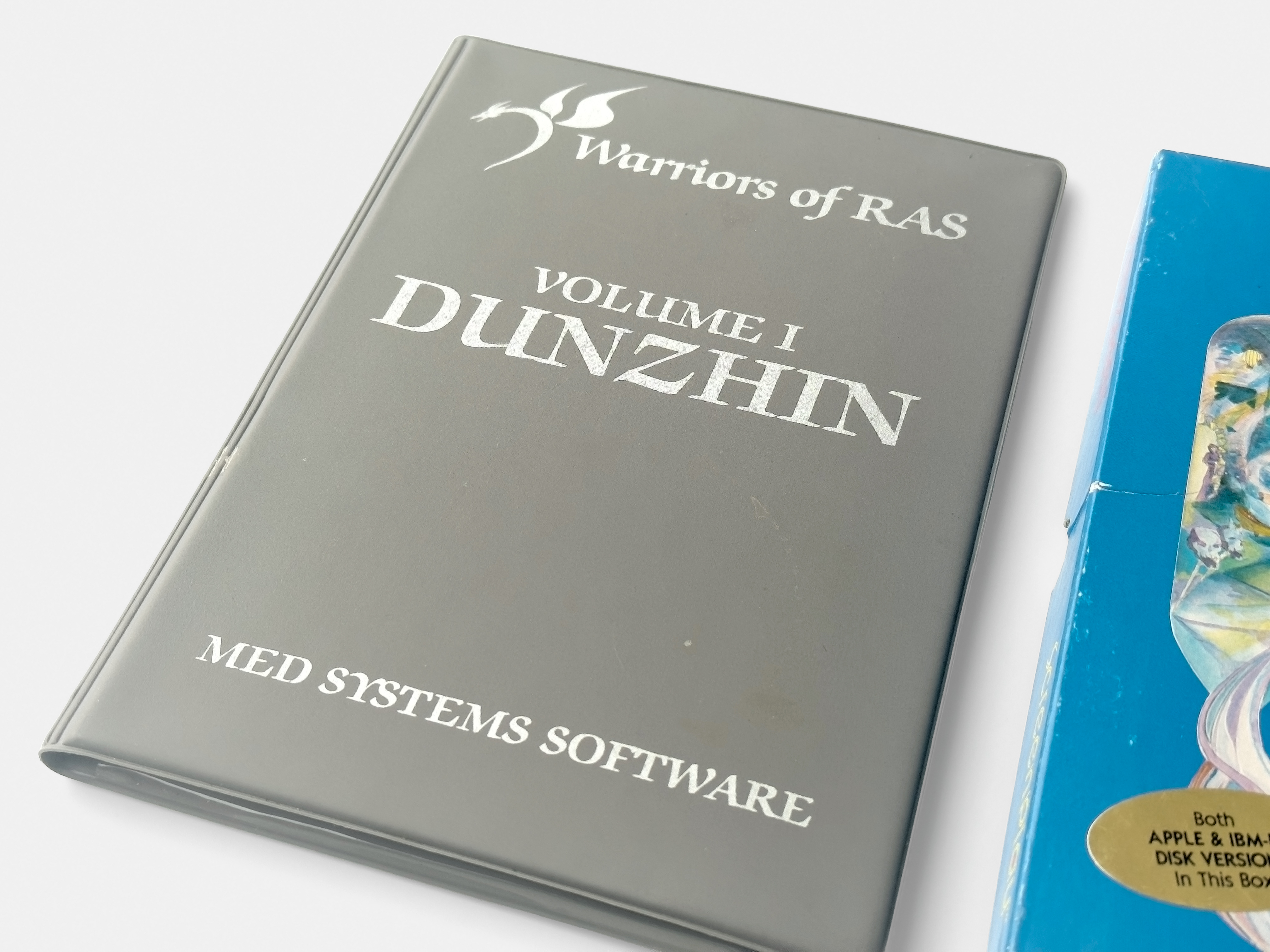
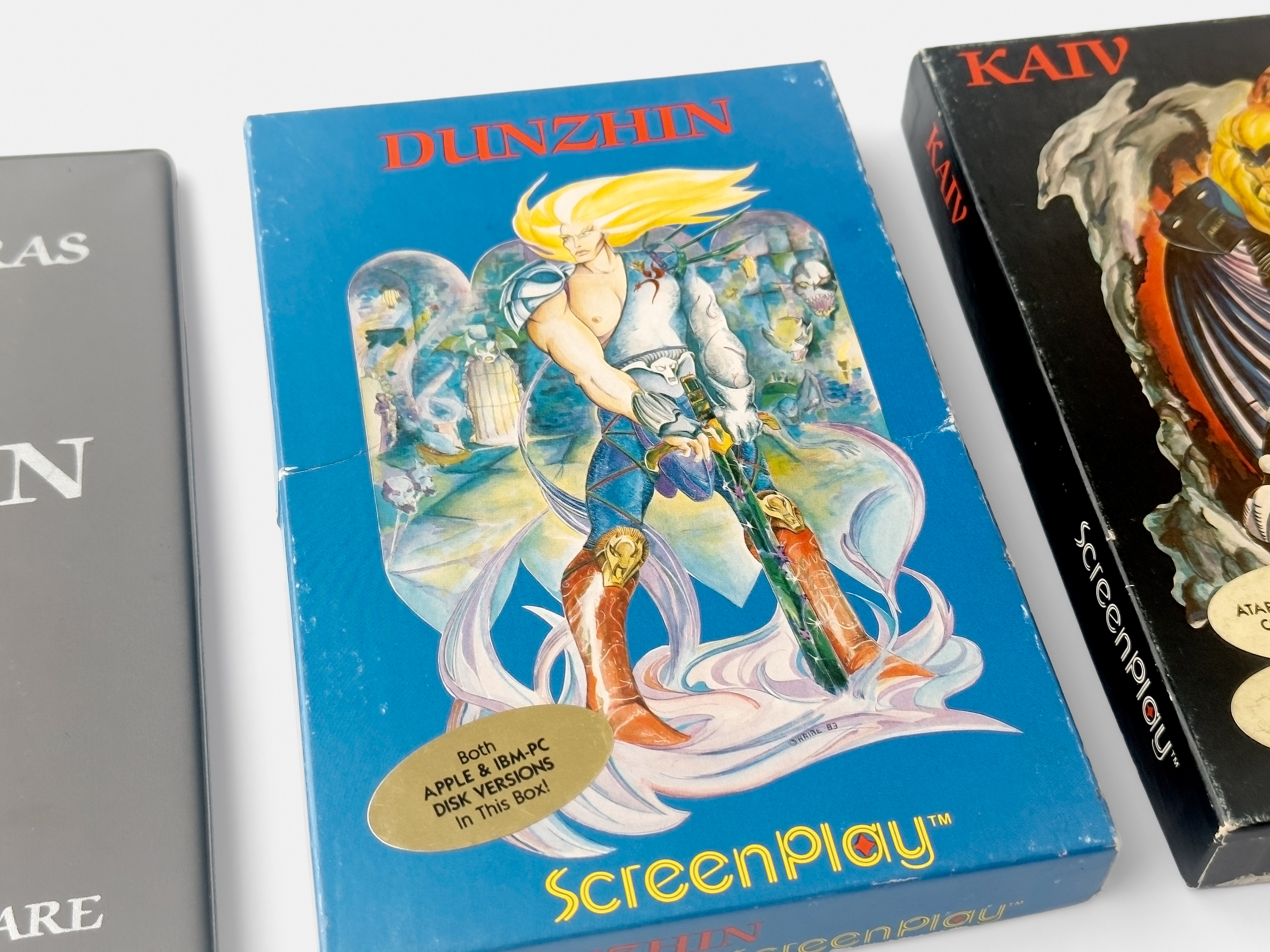
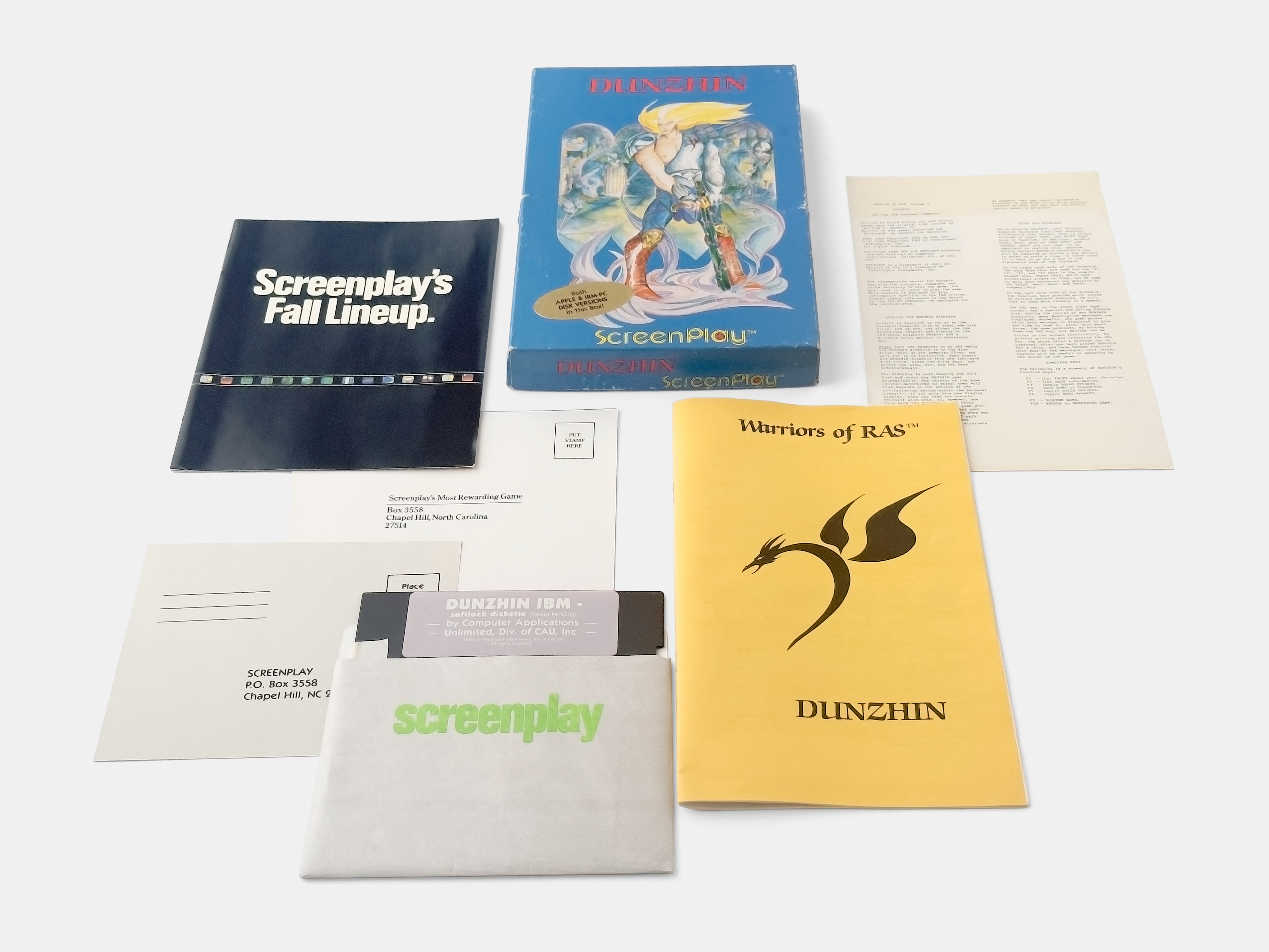
Dunzhin (dungeon), the first title in Randall Don Masteller’s Warrior of Ras series was initially released by Med Systems Software for the TRS-80 in 1982, in a grey binder (top and left). The same year Med Systems was acquired by Screenplay, a division of Intelligent Statements, and the title was rereleased for the Apple II, Atari 8-bit, Commodore 64, and IBM PC (right).
Initially written in BASIC for the TRS-80, Screenplay had the game rewritten in Assembly Language by programmer William F. Denman, Jr.
The IBM PC version was done by David Willen and Jeff Krantz of Computer Applications Unlimited and utilized Denman’s Z-80 version. The PC version, as the only one, featured some lines of sampled speech, possibly a first in a commercial game for the IBM PC.
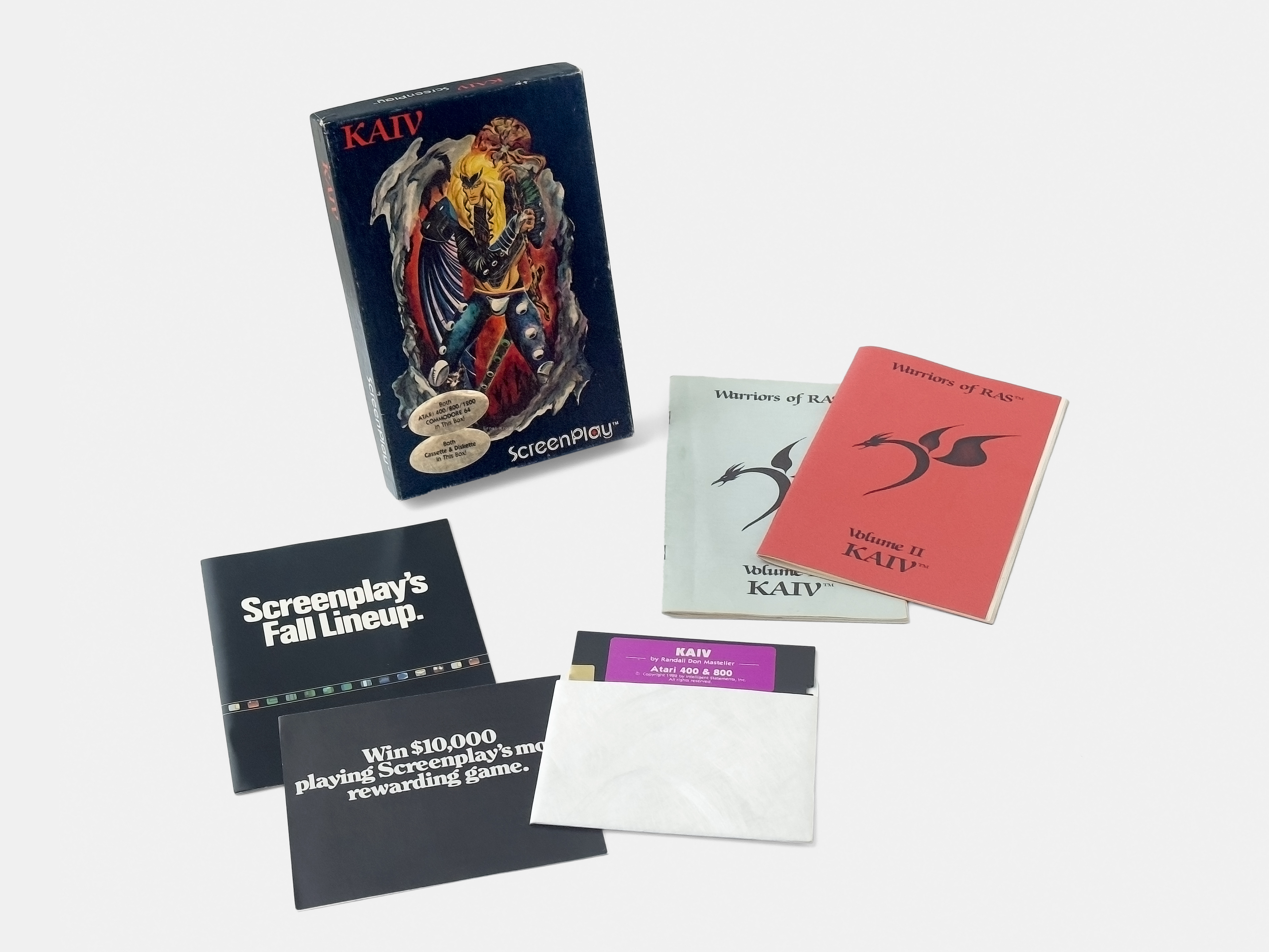
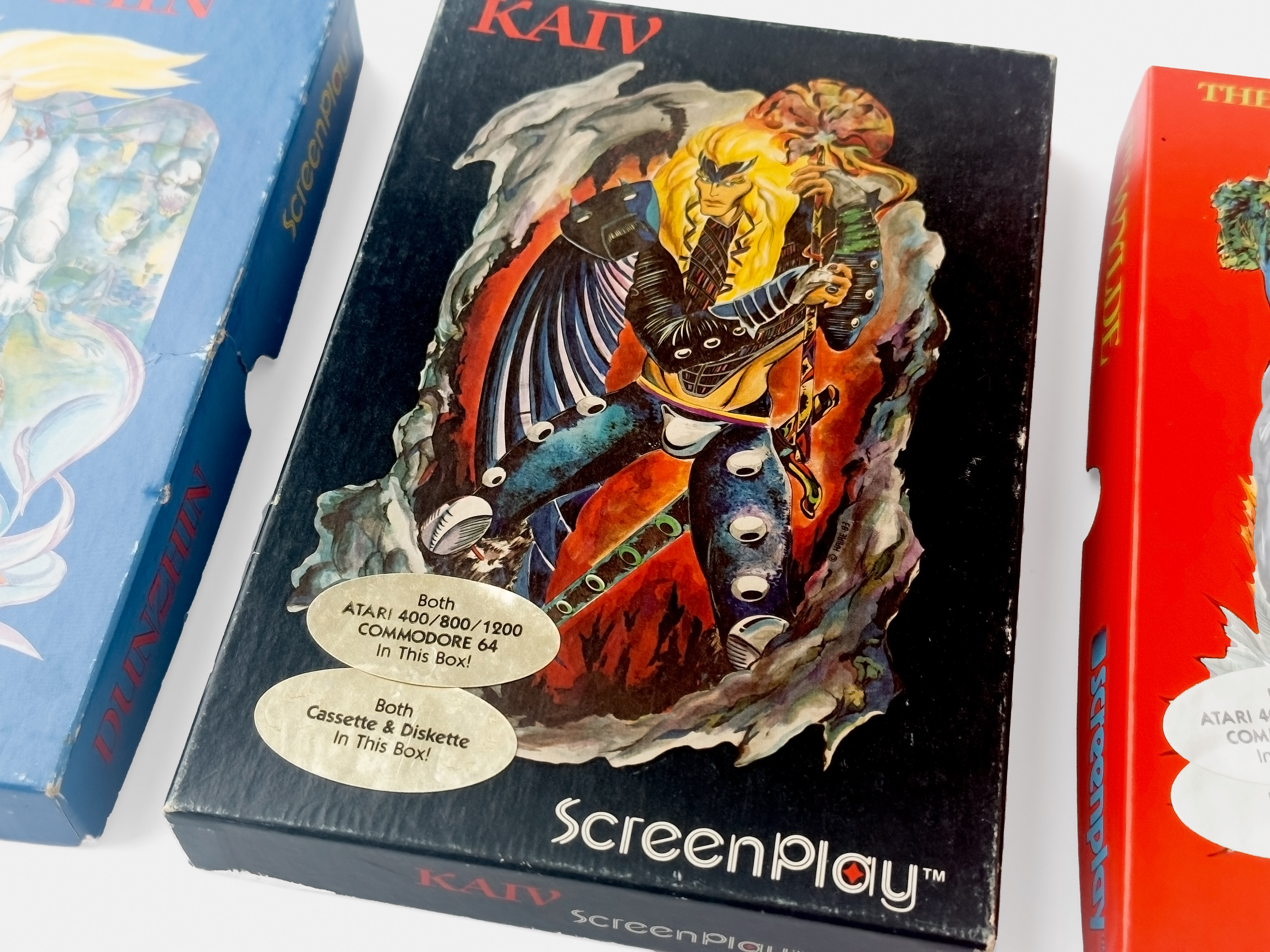
The Second title, KAIV (cave) was also released in a binder for the TRS-80 in 1982 before a boxed version was released the following year.
KAIV build further upon Dunzhin and added a shop at the dungeon entrance and allowed for an inventory system and a larger variety of items and magic.
Characters from Dunzhin could be imported and allowed for an easier experience (if the character was a higher level than the standard character.)
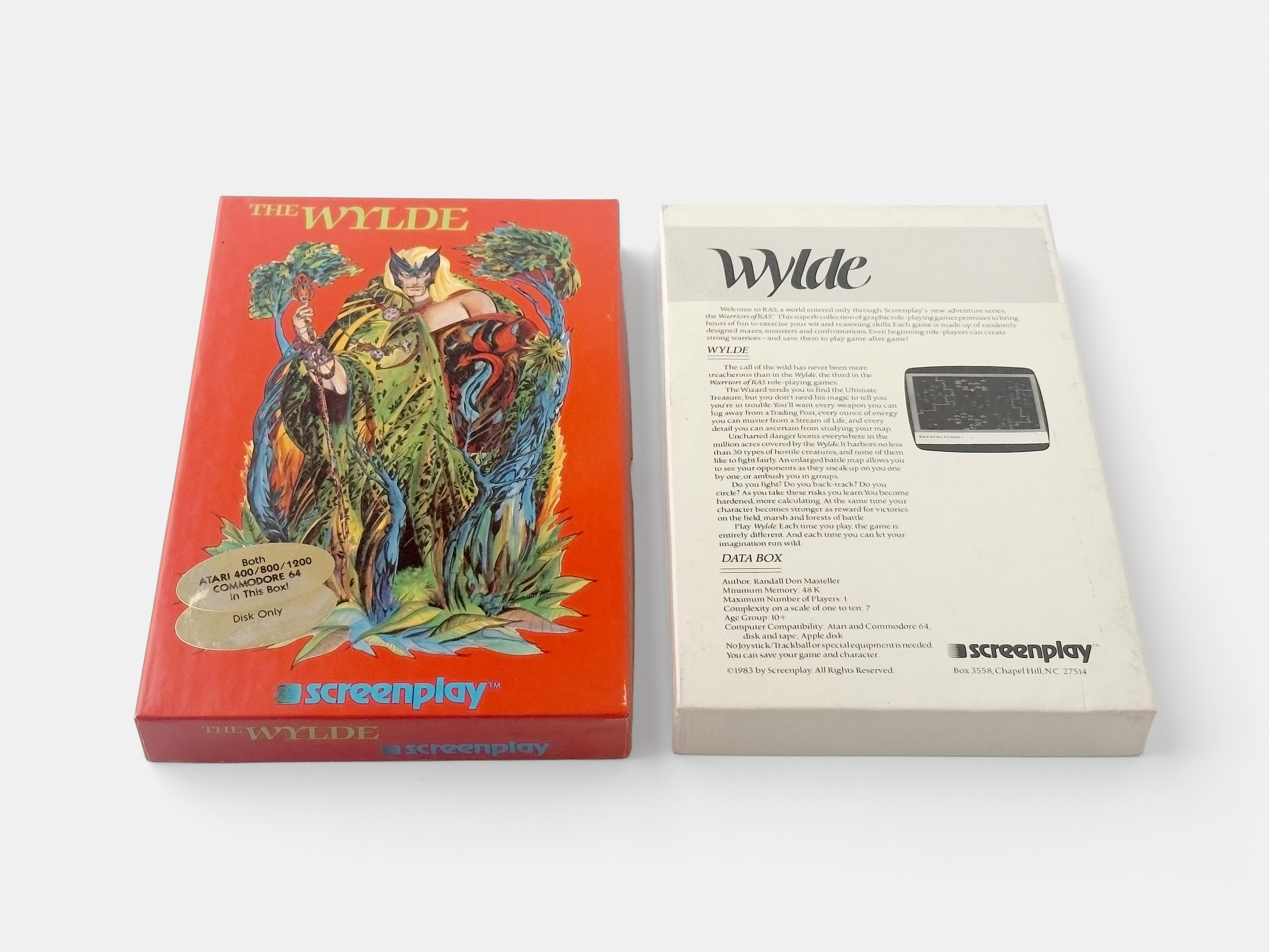
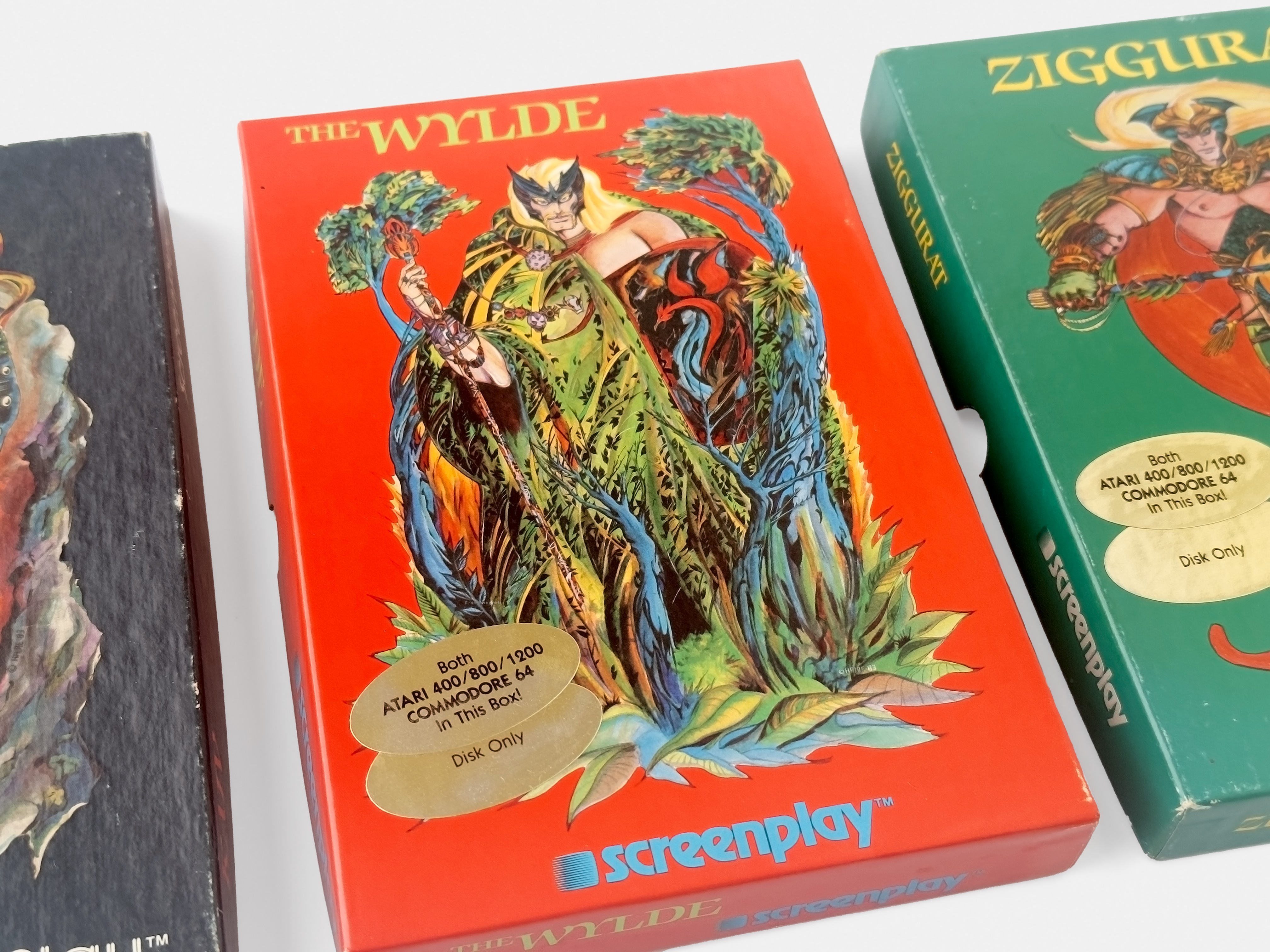
The third title, The Wylde was released for the TRS-80 in 1982, under the Med Systems Software name, before versions for Apple II, Atari 8-bit, and Commodore 64 were released in 1983 using the company’s new name.
The Wylde came with a few additions and combat was now taking place on a separate tactical screen.
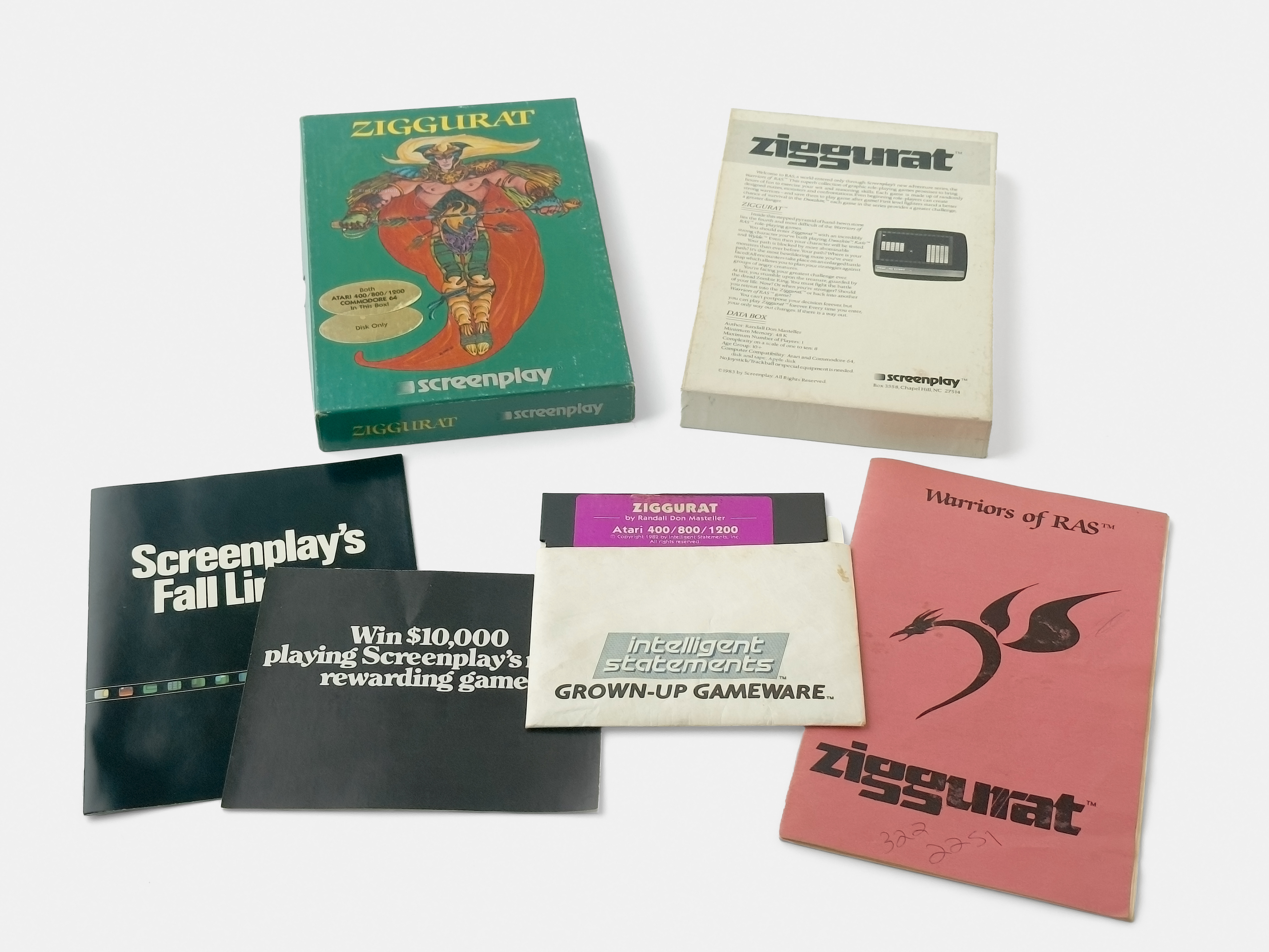
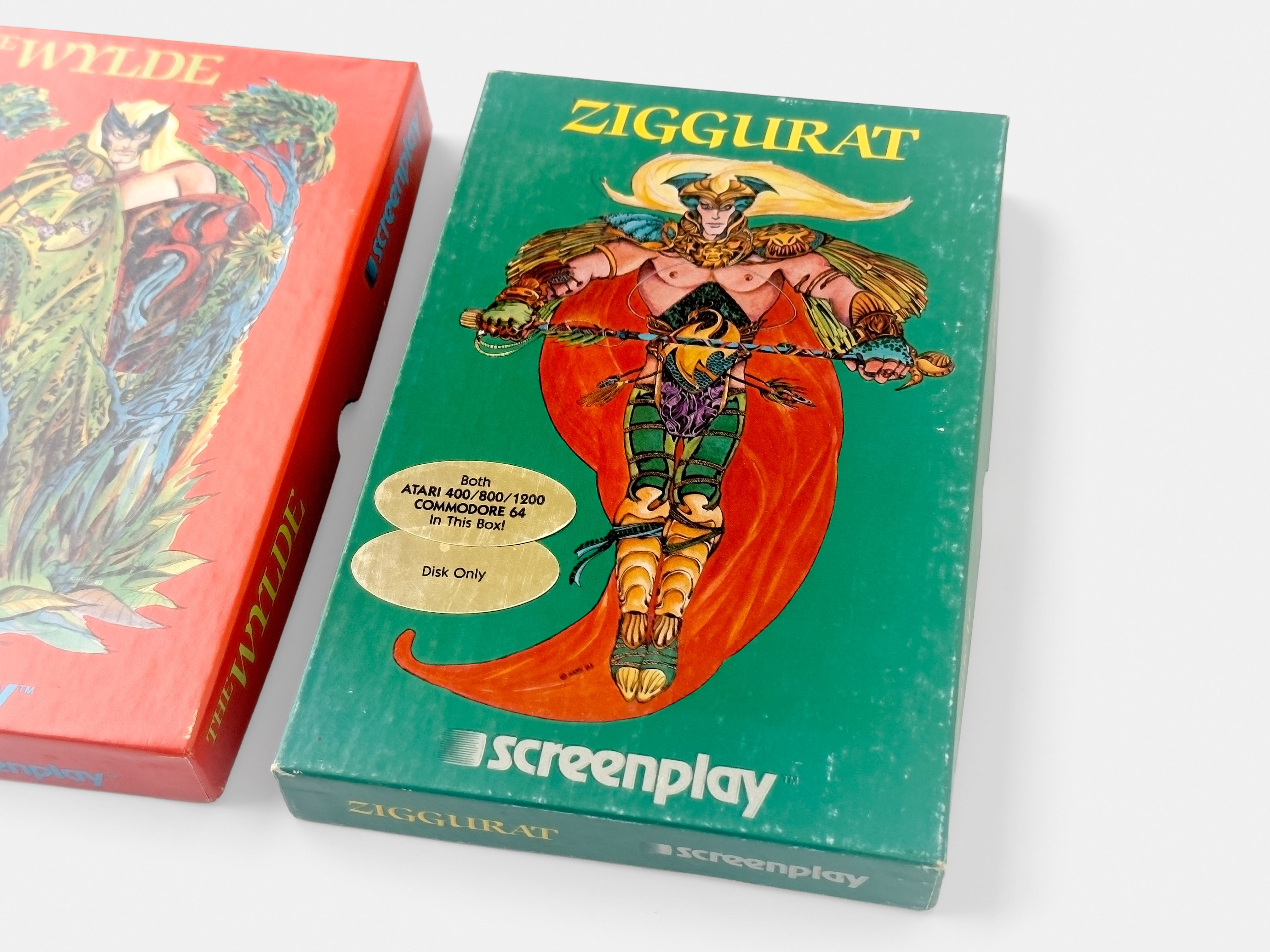
Ziggurat, the fourth last title in Masteller’s Warrior of Ras series, was released in 1983 for the Apple II, Atari 8-bit, and Commodore 64.
In 1985, Masteller founded Random Programming and would help introduce the rapidly evolving PC market to Mastertronic (Virgin) and to Sid Meier and Bill Stealey’s MicroProse, where he worked as a programmer on popular games like Pirates! In 1995 Random Programming went corporate and evolved into Random Games, Inc., developing business relationships with Hasbro, Mattel, and GT Interactive among others. The company would start to work on a computerized adaption of Talisman: The Magical Quest Game, a fantasy adventure board game by Games Workshop but would eventually lose support from its publisher. In December of 2001 Masteller shuttered Random Games’ office and the following February the company filed for relief from its creditors.
An unofficial Talisman computer game was released in the summer of 2008 but was later taken down after Games Workshop asserted its intellectual property rights.
Sources: crpgaddict, Wikipedia, MobyGames, Talismanisland, BizJournal
 Retro365