
In 1982, Electronic Arts was established by Trip Hawkins, who had previously worked at Apple. After publishing and releasing games in the LP folio-style format for a number of years, the company switched to the more prevalent small box format that was used by most other publishers at the time. However, Electronic Arts maintained their unique approach of recognizing developers as artists and “superstars,” which was a prominent feature of the folio-design on their earlier releases. This idea continued throughout the small box era, with the inclusion of pictures and information about the developers.
During the late eighties and early nineties, I had the pleasure of playing most of Electronic Arts’ small box games. Some of these games were played on our IBM/PC at home, while others were played on my friends’ C64’s and Amiga’s. Regardless of the platform, these games were absolutely fantastic and helped define a significant era in my gaming life. While it may be a bold statement, I personally believe that EA did not publish a single bad game in the small box format, a significant achievement, considering the wide range of game genres, including action, sports, RPGs, simulations, fighting, and strategy games, and the intense competition in the industry at that time.

The widely popular Madden NFL franchise had its beginnings in the late eighties and early nineties, with the release of the very first Madden game, John Madden Football, in 1988 (which was partly developed by Bethesda Softworks). Since its initial release, Electronic Arts has sold more than 100 million copies of Madden NFL, making it one of the best-selling video game franchises of all time.
Earl Weaver Baseball, which spawned a few sequels, was a smash hit in 1987 and alongside John Madden Football really helped pave the way for the EA Sports brand which were launched in 1991-92
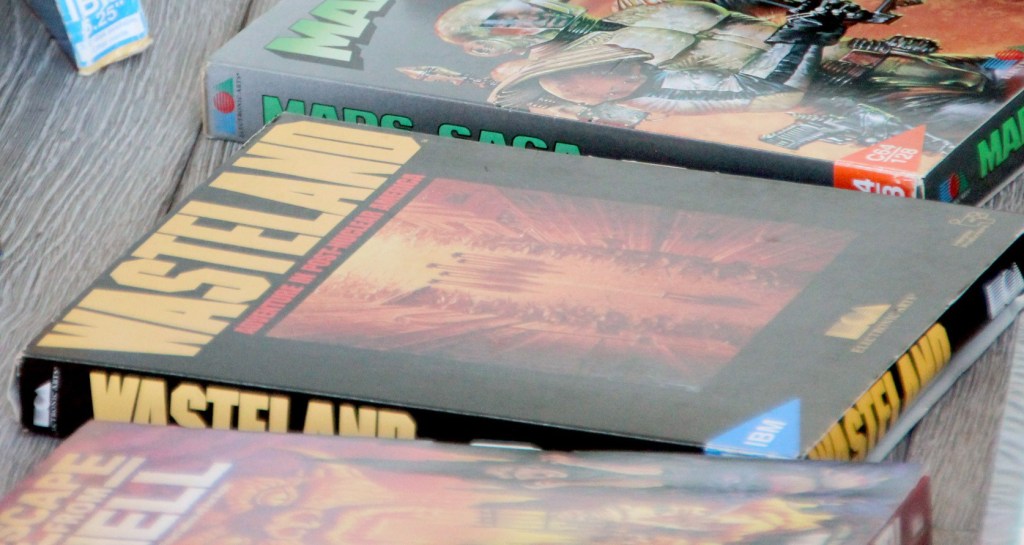
Wasteland, often considered the grandfather of futuristic post-apocalyptic RPGs, was developed by Interplay and published by Electronic Arts. It became the basis fore the original Fallout game, which has since spawned several sequels. In 2014, inXile Entertainment successfully crowdfunded Wasteland 2, a sequel to the original game.
Founded in 2002 by Interplay founder Brian Fargo, inXile Entertainment has retained most of the original Wasteland crew, ensuring that the sequel stays true to its roots

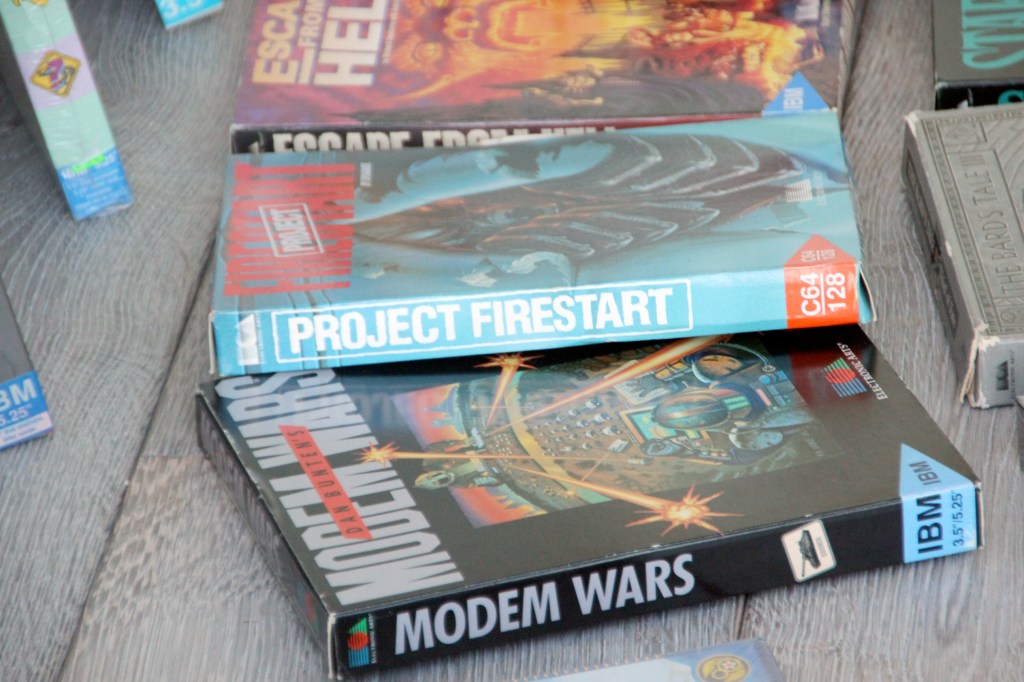
Modem Wars, the first multi-computer online game, was played over a modem connection between two machines, either via telephone or null modem serial connection. Despite the daunting technical limitations of late 1980s computers, the game’s developers managed to implement features such as fog of war, varied unit types, terrain, and formations, all of which are now standards in the genre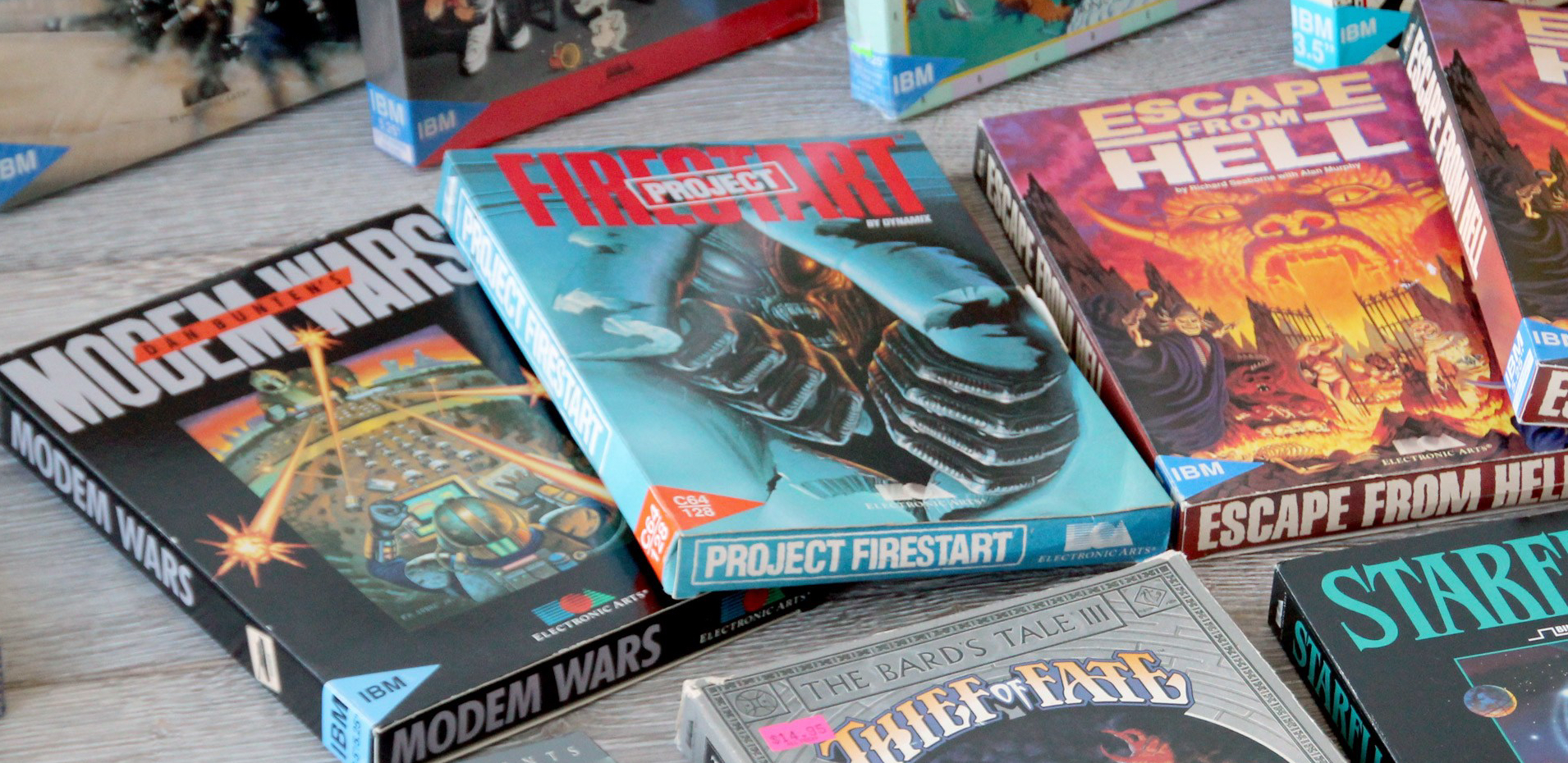
Prior to Dynamix’s acquisition by Sierra On-Line and their subsequent foray into self-publishing, the company developed a diverse range of titles in the mid to late eighties. Some of these titles were published by Electronic Arts, including Skyfox, Caveman Ugh-Lympics, Abrams Battle Tank, and Project Firestar, designed by Jeff Tunnel and Damon Slye. In my opinion, one of the best games for the C64
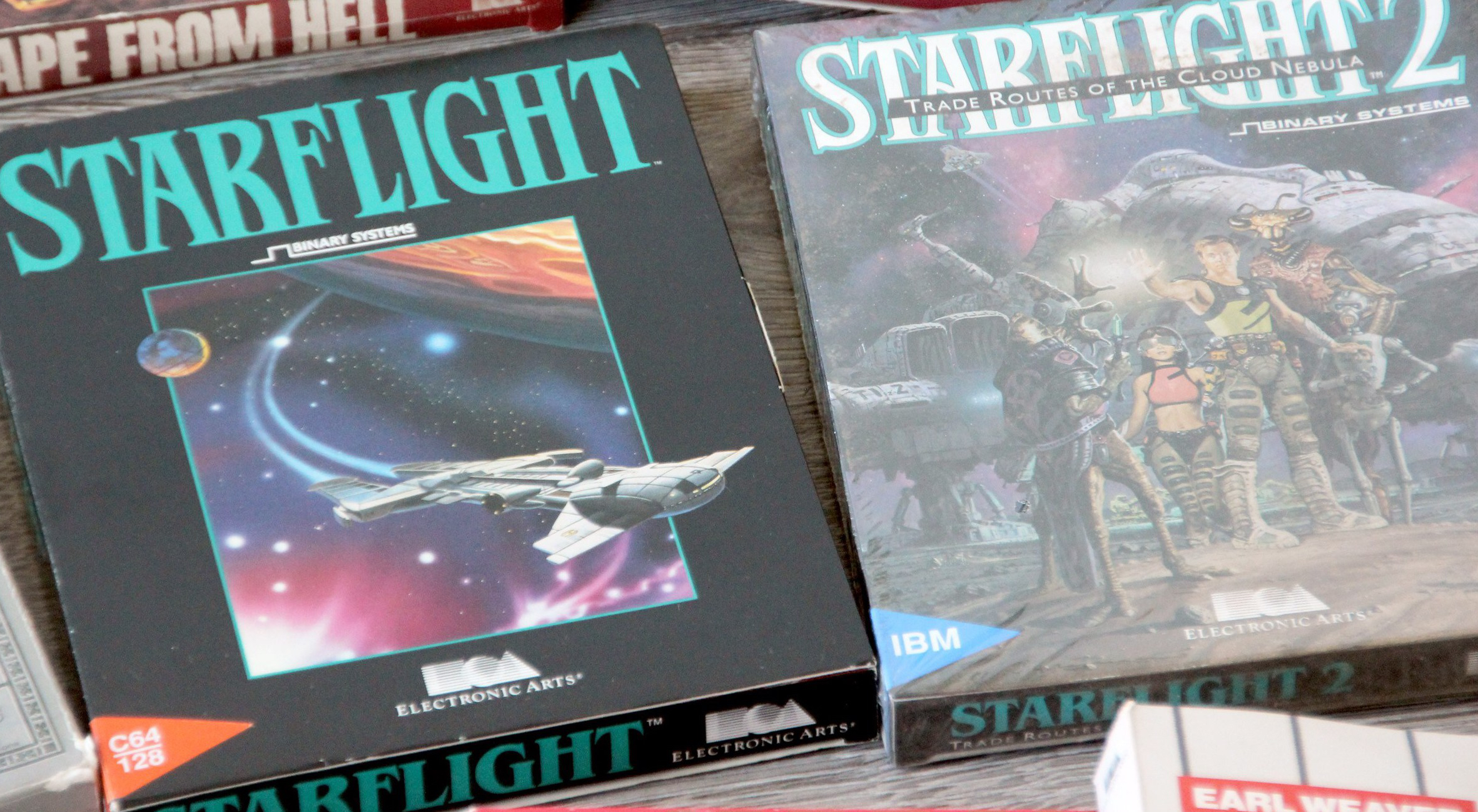
Starflight is widely regarded as one of the earliest examples of a sandbox game and has garnered praise from both contemporary and modern critics. Its success led to the development of a sequel titled Starflight 2: Trade Routes of the Cloud Nebula, and its innovative gameplay mechanics and world-building heavily influenced the design of numerous other games for decades after its initial release




 Retro365
One thought on “Bits from my personal collection – Electronic Arts – The Small box era”